My neighbor, a woman named Carol who gardens like it’s an Olympic sport, swore she hated chicken breasts. For years. “Dry,” she’d say, wrinkling her nose. “Boring. A waste of a good plate.” I’d nod politely, thinking about the mountain of flavorless, pale chicken I’d choked down at potlucks myself. Honestly, I couldn’t blame her. Then, last Tuesday, I was testing this spring lemon chicken skillet in my tiny kitchen. The smell—bright lemon, garlic, and something green—drifted right through the screen door. I heard a clatter on the patio, and there was Carol, holding a trowel, caught mid-sneeze from the thyme. “What is that?” she asked, trying to look annoyed. I didn’t say a word. I just handed her a fork. Three clean bites later, she asked for the recipe. That’s the thing about this dish. It doesn’t try to convert anyone. It just quietly proves you wrong, one juicy forkful at a time.
This isn’t just another chicken recipe. It’s the one that changes your mind about what a quick weeknight dinner can be. Maybe you’ve been there—staring at a raw chicken breast, wondering if you can really make it taste like something special in under half an hour. I promise you, you can. This skillet meal leans hard into the season, using the first tender asparagus and sweet peas of spring. The lemon does the heavy lifting, waking everything up without being sour or sharp. It’s the kind of dinner that makes you feel like you have your life together, even if you just threw it together in a panic after work. Let me tell you, it works.
Why You’ll Love This Recipe
I’ve tested this spring lemon chicken skillet about seven times now. I lost count after the third batch, mostly because my family kept eating the test versions before I could take notes. Here is exactly why this one stands out from the pile of chicken recipes out there.
- Quick & Easy: From fridge to table in exactly 20 minutes. No marinating, no complicated steps, just one skillet and a timer. Perfect for those nights when you need dinner done yesterday.
- Simple Ingredients: You probably have most of this in your kitchen right now. Lemons, garlic, chicken, and whatever green vegetable you can grab. No fancy grocery store trips required.
- Perfect for Spring: This recipe was made for those transitional weeks when you’re craving something lighter but still warm and satisfying. It fits the season perfectly.
- Crowd-Pleaser: My kids, who usually pick around green things, actually ate the asparagus. Carol the chicken-hater asked for seconds. That’s a win in my book.
- Unbelievably Delicious: The secret here is the pan sauce. It’s silky, tangy, and coats every piece of chicken like a dream. You’ll want to pour it over rice, potatoes, or just drink it with a spoon.
What makes this recipe different from all the other lemon chicken recipes? It’s the technique. Instead of just squeezing lemon juice over cooked chicken (which can get bitter), you build the sauce in the pan after searing the meat. The fond—those browned bits stuck to the skillet—mixes with the lemon and broth to create something magical. It’s not just another version. It’s the best version I’ve found after years of testing. This recipe isn’t just good. It’s the kind that makes you close your eyes after the first bite, even if you’re standing at the counter in your work clothes.
What Ingredients You Will Need
This recipe uses simple, wholesome ingredients to deliver bright, bold flavor without the fuss. Most of these are pantry staples or easy spring market finds. Here is what you need and why each one matters.
- Chicken breasts (1.5 lbs or about 680g, boneless, skinless): Look for even-sized breasts so they cook at the same rate. If they are thick, butterfly them in half or pound them to an even thickness. I prefer organic chicken when I can find it, but regular works just fine.
- Lemons (2 large): You need both the zest and the juice. One lemon for zest and juice, the other for slices to garnish. Roll them on the counter before cutting to get more juice out. Fresh is non-negotiable here—bottled lemon juice tastes flat.
- Garlic (4 cloves, minced): Fresh garlic makes a difference. Don’t use the pre-minced stuff in a jar. It lacks that sharp, aromatic punch that makes the sauce sing.
- Asparagus (1 bunch, about 1 lb or 450g, trimmed and cut into 2-inch pieces): Spring asparagus is the star vegetable here. Look for firm stalks with tight tips. If asparagus isn’t in season, you can use green beans or sugar snap peas.
- Frozen peas (1 cup or about 150g): These add sweetness and color. No need to thaw them first—they cook in the pan in just a minute. I always keep a bag in the freezer for nights like this.
- Chicken broth (1/2 cup or 120ml): Use low-sodium broth so you can control the salt level. Homemade is lovely, but a good store-bought brand works perfectly.
- Heavy cream (1/4 cup or 60ml): This makes the sauce rich and luscious without being heavy. You can substitute half-and-half for a lighter version, but don’t use milk—it might curdle with the lemon.
- Olive oil (2 tablespoons): Use a good quality extra virgin olive oil for searing. It adds flavor and helps the chicken brown beautifully.
- Butter (1 tablespoon): This goes in at the end for richness and shine. It’s the chef’s secret for a restaurant-quality sauce.
- Fresh thyme (4-5 sprigs): Thyme and lemon are best friends. If you only have dried, use 1 teaspoon, but fresh is better here.
- Salt and black pepper (to taste): Season generously. Chicken needs a good amount of salt to taste its best.
- Optional garnish: Fresh parsley or chives, lemon slices, and a sprinkle of red pepper flakes for heat.
Equipment Needed
You don’t need a lot of fancy tools for this one. That’s part of the beauty. Here is what you’ll need to pull this off.
- Large skillet (12-inch or 30cm): A heavy-bottomed skillet is best. Cast iron or stainless steel works perfectly. Non-stick is fine too, but you won’t get as much fond for the sauce. I use my trusty cast iron pan for this—it holds heat like a champ.
- Cutting board and sharp knife: For trimming the asparagus and mincing garlic. A dull knife makes prep frustrating. Trust me, I learned that the hard way.
- Microplane or zester: For getting the lemon zest without the bitter white pith. A regular grater works in a pinch.
- Measuring cups and spoons: For accuracy. I eyeball things when I’m comfortable, but for a new recipe, measure it out.
- Tongs: For flipping the chicken without piercing it. Piercing releases juices and dries out the meat.
- Wooden spoon or spatula: For scraping up the fond and stirring the sauce.
- Small bowl: For mixing the lemon juice and zest if you want to prep ahead.
If you don’t have a large skillet, you can use a Dutch oven or a large sauté pan. Just make sure it’s big enough to hold the chicken in a single layer without crowding. Crowding steams the meat instead of browning it. Budget-friendly tip: a good cast iron skillet costs about $20 and lasts forever. It’s worth the investment.
Preparation Method
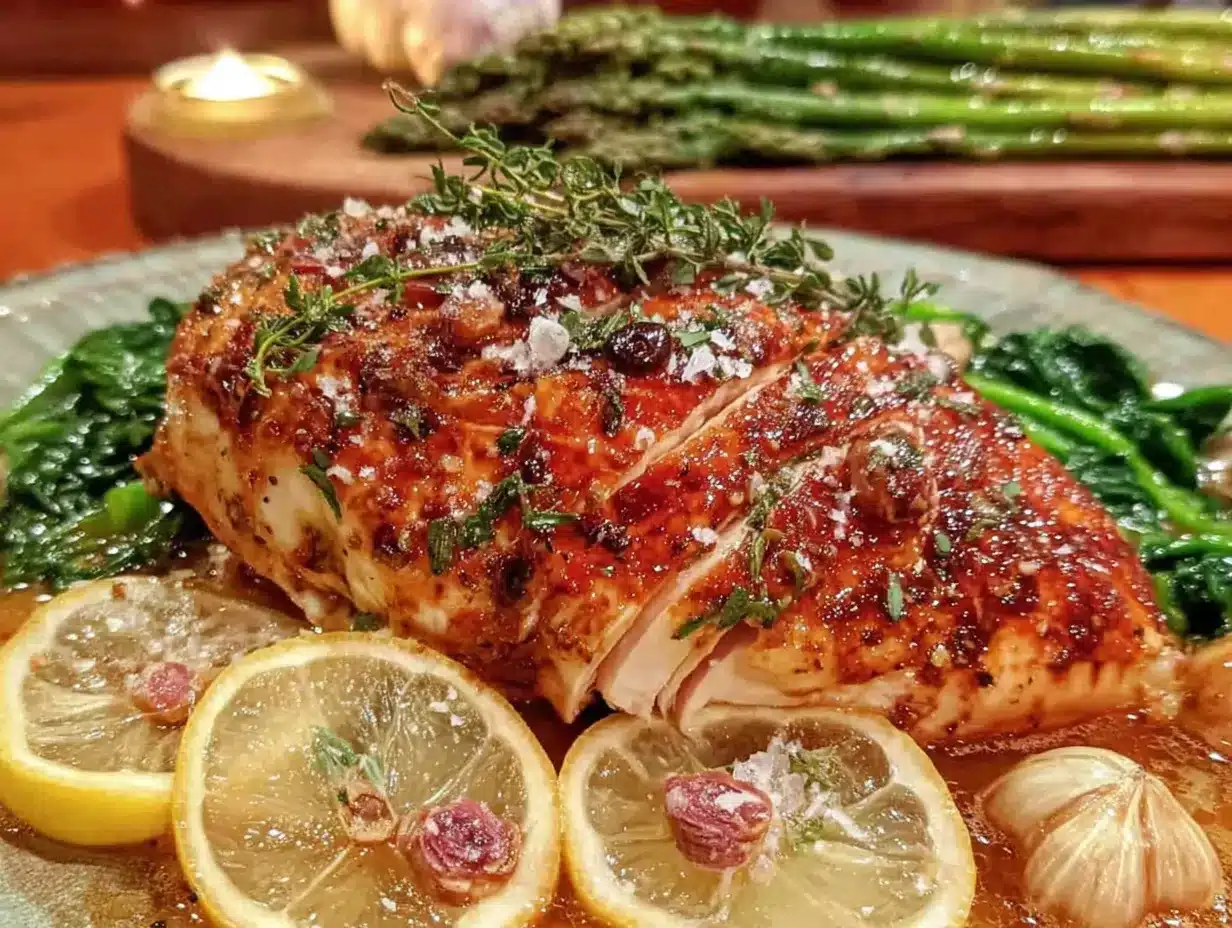
This spring lemon chicken skillet comes together fast, so I recommend prepping everything before you turn on the heat. It makes the whole process smooth and stress-free. Here is exactly how to do it.
- Prep the chicken (5 minutes): Pat the chicken breasts dry with paper towels. This is important—dry chicken browns better. Season both sides generously with salt and black pepper. If your breasts are thick, place them between two pieces of plastic wrap and gently pound them to about 1/2-inch thickness with a rolling pin or heavy pan. This ensures even cooking.
- Prep the vegetables (5 minutes): Wash the asparagus and snap off the woody ends (they break naturally where the tough part ends). Cut into 2-inch pieces. Mince the garlic cloves. Zest one lemon, then juice both lemons into a small bowl. Set aside.
- Sear the chicken (6-8 minutes): Heat the olive oil in your large skillet over medium-high heat until it shimmers. Carefully place the chicken breasts in the pan. Don’t move them for 4-5 minutes. You want a deep golden crust. Flip with tongs and cook another 3-4 minutes on the second side. The internal temperature should reach 165°F (74°C). Transfer the chicken to a plate and tent loosely with foil.
- Sauté the aromatics (1 minute): Reduce the heat to medium. Add the butter to the pan. Once it melts, add the minced garlic and lemon zest. Stir constantly for about 30 seconds until fragrant. Don’t let the garlic burn—it turns bitter fast.
- Build the sauce (2 minutes): Pour in the chicken broth and lemon juice. Use your wooden spoon to scrape up all those browned bits from the bottom of the pan. That’s pure flavor. Let it simmer for about a minute until it reduces slightly.
- Cook the vegetables (2-3 minutes): Add the asparagus pieces to the pan. Cook for 2 minutes, stirring occasionally, until they turn bright green and are tender-crisp. Stir in the frozen peas and cook for another 30 seconds.
- Finish the sauce (1 minute): Reduce the heat to low. Stir in the heavy cream and the fresh thyme sprigs. Let it bubble gently for about 30 seconds. Taste and adjust salt and pepper. The sauce should be tangy, creamy, and well-seasoned.
- Return the chicken (1 minute): Place the chicken breasts back into the skillet, nestling them into the sauce and vegetables. Spoon some sauce over the top. Let everything warm through together for about a minute.
- Serve immediately: Garnish with fresh parsley or chives, extra lemon slices, and a pinch of red pepper flakes if you like heat. Serve over rice, pasta, or with crusty bread to soak up every drop of that sauce.
A quick note: if your sauce seems too thin at the end, let it simmer for another minute without the chicken. It will thicken naturally as it reduces. If it’s too thick, add a splash more broth. You’re looking for a consistency that coats the back of a spoon.
Cooking Tips & Techniques
I’ve made this spring lemon chicken skillet more times than I can count, and I’ve definitely made my share of mistakes along the way. Here are the tips I wish someone had told me from the start.
Don’t overcrowd the pan. This is the number one mistake people make with skillet chicken. If your pan is too small, the chicken steams instead of searing. You end up with pale, sad meat. Cook in batches if you need to. It adds maybe 5 minutes, and the results are worth it.
Let the chicken rest. After searing, let it sit on that plate for at least 5 minutes. This lets the juices redistribute inside the meat. If you cut into it right away, all those juices run out onto the cutting board, and you get dry chicken. I learned this after a particularly disappointing dinner early in my cooking journey.
Use room temperature chicken. Take the chicken out of the fridge 15-20 minutes before cooking. Cold chicken seizes up when it hits a hot pan, making it tough. Room temperature chicken cooks more evenly and stays tender.
Balance the lemon. Lemon juice can be tricky. Too little and the dish feels flat. Too much and it’s sour. Start with the juice of one lemon, taste the sauce, and add more if needed. The cream helps mellow the acidity, so don’t skip it.
Multitask smartly. While the chicken sears, prep your vegetables if you haven’t already. While the sauce simmers, set the table or start your rice. The actual active cooking time here is only about 10 minutes. The rest is just waiting and stirring.
Watch the garlic. Garlic goes from fragrant to burnt in about 15 seconds. Keep it moving in the pan and have your broth ready to pour in immediately. Burnt garlic ruins the whole dish—it tastes acrid and bitter.
Variations & Adaptations
This recipe is wonderfully flexible. Here are some ways I’ve adapted it depending on what I have on hand or who I’m feeding.
- Low-Carb/Keto: Skip the peas (they have sugar) and double up on the asparagus or add zucchini. Serve the chicken and sauce over cauliflower rice or sautéed spinach. The cream in the sauce makes it naturally keto-friendly.
- Dairy-Free: Replace the heavy cream with full-fat coconut milk from a can. It adds a slight sweetness that works surprisingly well with lemon. Use olive oil instead of butter. The sauce will be a little thinner but still delicious.
- Vegetarian Version: Swap the chicken for thick slices of halloumi cheese or firm tofu. Sear them the same way you would the chicken. Use vegetable broth instead of chicken broth. It’s a completely different dish, but it scratches the same itch.
- Different Vegetables: This works with whatever spring vegetables you can find. Sugar snap peas, baby broccoli, sliced zucchini, or even fresh spinach (add it at the very end and let it wilt). In a pinch, I’ve used frozen broccoli florets and it was fine.
- Herb Swap: No thyme? Use fresh basil, tarragon, or oregano. Tarragon and lemon are a classic French combination. Basil adds a sweeter, more aromatic note. Dill works too, especially if you’re serving this with salmon instead of chicken.
- Spicy Kick: Add a pinch of red pepper flakes with the garlic, or stir in a teaspoon of harissa paste with the broth. The heat cuts through the cream and lemon beautifully.
I once made this with leftover roasted chicken and just warmed it through in the sauce at the end. It took about 8 minutes total. Not as good as fresh-seared chicken, but on a Tuesday night when I was exhausted, it was exactly what I needed.
Serving & Storage Suggestions
This spring lemon chicken skillet is best served immediately, while the sauce is still warm and the vegetables are bright. Here is how to make the most of it.
Serving temperature and presentation: Serve hot, straight from the skillet if your pan is oven-to-table safe. Arrange the chicken on top of the vegetables and spoon extra sauce over everything. A sprinkle of fresh herbs and a few lemon slices on the side make it look restaurant-worthy. I like to serve it over a bed of fluffy white rice or buttered egg noodles to catch all that sauce. Crusty sourdough bread is also a fantastic option—use it to sop up every last drop.
Complementary dishes: A simple arugula salad with lemon vinaigrette is perfect alongside—it echoes the flavors in the main dish. Roasted potatoes or a light orzo pasta salad also work well. For drinks, a crisp Sauvignon Blanc or a sparkling lemonade pairs beautifully.
Storage instructions: Store leftovers in an airtight container in the refrigerator for up to 3 days. The flavors actually meld together overnight, making it even better the next day. The asparagus will soften, but it’s still delicious.
Reheating methods: The best way to reheat is in a skillet over medium-low heat. Add a splash of broth or water to loosen the sauce. Cover and warm gently for 5-7 minutes, stirring occasionally. You can also microwave it, but the chicken might get a little rubbery. If you’re meal prepping, store the chicken and sauce separately from any rice or pasta to keep everything from getting soggy.
Freezer instructions: This dish freezes reasonably well, though the cream sauce can separate slightly upon thawing. To freeze, cool completely, then transfer to a freezer-safe container. Freeze for up to 2 months. Thaw overnight in the refrigerator, then reheat gently in a skillet, whisking in a splash of cream or broth to bring the sauce back together.
The sauce thickens as it sits, so don’t be alarmed if it looks different the next day. A little extra broth when reheating fixes it right up.
Nutritional Information & Benefits
This spring lemon chicken skillet is a balanced meal on its own—protein, vegetables, and a little bit of creamy indulgence. Here is a rough estimate per serving (based on 4 servings, without rice or pasta).
- Calories: Approximately 380-420
- Protein: 38-42g
- Fat: 20-24g
- Carbohydrates: 12-15g
- Fiber: 4-5g
- Sugar: 5-7g (mostly from the peas)
Health benefits of key ingredients: Chicken breast is a lean source of high-quality protein, which supports muscle health and keeps you full. Asparagus is packed with folate, vitamins A and C, and fiber—it’s a spring superfood. Peas add a dose of plant-based protein and fiber, plus vitamin K. Lemons provide a generous hit of vitamin C and antioxidants. Garlic is known for its immune-supporting properties. This dish is naturally gluten-free and can be made dairy-free with a simple swap.
Dietary considerations: This recipe is naturally gluten-free. For a lower-fat version, use half-and-half instead of heavy cream and reduce the butter to 1 teaspoon. The protein content makes it a great option for post-workout dinners or anyone looking to increase their protein intake without heavy carbs.
I personally love that this meal feels indulgent but isn’t actually that heavy. It’s the kind of dinner that leaves you satisfied but not stuffed, which is exactly what I want on a busy spring evening.
Conclusion
This spring lemon chicken skillet is proof that a quick weeknight dinner doesn’t have to be boring. It’s bright, creamy, and packed with the best flavors of the season. The chicken stays juicy, the vegetables stay crisp, and that lemon cream sauce is honestly good enough to drink. I’ve made this for family dinners, for myself on a quiet Tuesday, and even for Carol the chicken-hater, who now requests it regularly. It’s the kind of recipe that earns a permanent spot in your rotation.
I encourage you to make this your own. Swap the vegetables based on what looks good at the market. Add more garlic if you’re like me. Throw in some red pepper flakes for heat. The beauty of a simple skillet meal is that it’s forgiving and adaptable. Don’t be afraid to experiment.
If you try this recipe, I’d love to hear about it. Leave a comment below and let me know how it turned out—did you change anything? Did your family love it? Did you finally convert someone who claimed to hate chicken? Share your story. And if you’re looking for another quick spring dinner, check out my creamy lemon oregano chicken for a slightly different take on the same idea. Happy cooking, friends. You’ve got this.
Frequently Asked Questions
Can I use chicken thighs instead of breasts?
Absolutely. Boneless, skinless chicken thighs work beautifully here. They are more forgiving than breasts and stay juicy even if you cook them a minute or two too long. Sear them for about 5-6 minutes per side, depending on thickness. The rest of the recipe stays the same.
What if I don’t have heavy cream?
You have options. Half-and-half works well but makes a thinner sauce. Full-fat coconut milk is a fantastic dairy-free alternative. You can also skip the cream entirely and just use the broth and lemon juice—the sauce will be lighter and more brothy, like a pan sauce. It’s still delicious.
Can I make this ahead of time?
You can prep the ingredients ahead—trim the asparagus, mince the garlic, juice the lemons—and store them in the fridge. Cook the dish just before serving for the best texture. Leftovers reheat well, but the asparagus will soften. If you’re meal prepping, consider keeping the vegetables separate and adding them fresh when reheating.
How do I know when the chicken is fully cooked?
The safest way is to use an instant-read thermometer. Insert it into the thickest part of the breast. It should read 165°F (74°C). If you don’t have a thermometer, cut into the thickest part—the juices should run clear, and there should be no pinkness. The meat should feel firm to the touch but not hard.
Can I use frozen asparagus?
Fresh is best here because frozen asparagus gets mushy quickly. If that’s all you have, thaw it first and pat it very dry. Add it to the pan in the last minute of cooking, just to warm through. It won’t have the same crisp texture, but it will still taste good. Sugar snap peas or green beans are better frozen alternatives if you have them.
Pin This Recipe!

Easy 20-Minute Spring Lemon Chicken Skillet Recipe

This bright and creamy lemon chicken skillet is a quick weeknight dinner that proves chicken breasts can be juicy and flavorful. With tender asparagus, sweet peas, and a silky lemon cream sauce, it’s a springtime favorite that comes together in just 20 minutes.
- Prep Time: 10 minutes
- Cook Time: 10 minutes
- Total Time: 20 minutes
- Yield: 4 servings 1x
- Category: Main Course
- Cuisine: American
Ingredients
- 1.5 lbs (about 680g) boneless, skinless chicken breasts
- 2 large lemons (zest and juice)
- 4 cloves garlic, minced
- 1 bunch asparagus (about 1 lb or 450g), trimmed and cut into 2-inch pieces
- 1 cup (about 150g) frozen peas
- 1/2 cup (120ml) low-sodium chicken broth
- 1/4 cup (60ml) heavy cream
- 2 tablespoons extra virgin olive oil
- 1 tablespoon butter
- 4–5 sprigs fresh thyme
- Salt and black pepper to taste
- Optional garnish: fresh parsley or chives, lemon slices, red pepper flakes
Instructions
- Prep the chicken: Pat chicken breasts dry with paper towels. Season both sides generously with salt and black pepper. If thick, place between plastic wrap and pound to 1/2-inch thickness.
- Prep the vegetables: Wash asparagus and snap off woody ends; cut into 2-inch pieces. Mince garlic. Zest one lemon, then juice both lemons into a small bowl.
- Sear the chicken: Heat olive oil in a large skillet over medium-high heat until shimmering. Add chicken breasts; cook without moving for 4-5 minutes until deep golden. Flip and cook another 3-4 minutes until internal temperature reaches 165°F (74°C). Transfer to a plate and tent with foil.
- Sauté aromatics: Reduce heat to medium. Add butter to pan. Once melted, add minced garlic and lemon zest; stir constantly for about 30 seconds until fragrant.
- Build the sauce: Pour in chicken broth and lemon juice. Use a wooden spoon to scrape up browned bits from pan bottom. Simmer for about 1 minute until slightly reduced.
- Cook vegetables: Add asparagus pieces; cook for 2 minutes, stirring occasionally, until bright green and tender-crisp. Stir in frozen peas; cook for 30 seconds.
- Finish the sauce: Reduce heat to low. Stir in heavy cream and fresh thyme sprigs. Let bubble gently for 30 seconds. Taste and adjust salt and pepper.
- Return chicken: Place chicken breasts back into skillet, nestling into sauce and vegetables. Spoon sauce over top. Warm through for about 1 minute.
- Serve immediately: Garnish with fresh herbs, lemon slices, and red pepper flakes if desired. Serve over rice, pasta, or with crusty bread.
Notes
For best results, don’t overcrowd the pan; cook chicken in batches if needed. Let chicken rest after searing to keep juices inside. Use room temperature chicken for even cooking. Balance lemon acidity with cream. Watch garlic carefully to avoid burning. If sauce is too thin, simmer without chicken to reduce; if too thick, add a splash of broth.
Nutrition
- Serving Size: 1 serving (without r
- Calories: 400
- Sugar: 6
- Sodium: 450
- Fat: 22
- Saturated Fat: 8
- Carbohydrates: 13
- Fiber: 4
- Protein: 40
Keywords: lemon chicken, spring chicken skillet, quick chicken dinner, 20-minute meal, asparagus chicken, creamy lemon chicken