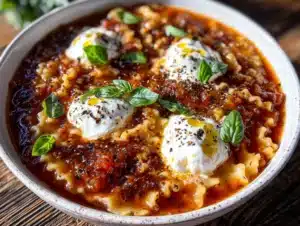
I was standing in the checkout line at my local hardware store—of all places—holding a bag of lightbulbs and a new garden trowel when the cashier, a woman named Rita with bright red glasses and an apron covered in woodchips, started talking about pasta salad. Not just any pasta salad, but a fall pasta salad with apple cider vinaigrette. She described it while ringing up a customer ahead of me, and I found myself leaning in, trying to catch every word. “You toss it with roasted butternut squash and some crumbled goat cheese,” she said to the woman buying paint samples. “And the dressing? It’s just apple cider vinegar, a little maple syrup, and some Dijon. Takes ten minutes.”
I honestly didn’t expect to get a recipe from a hardware store cashier that Tuesday afternoon. But there I was, notebook in hand—yes, I keep one in my car for moments like this—scribbling down her instructions as she explained how she makes it every Sunday for her family’s weeknight dinners. She told me she learned it from her grandmother, who used to make it with whatever vegetables were left in the garden at the end of the season. “It’s forgiving,” Rita said, handing me my receipt. “You can’t mess it up. That’s the beauty of it.”
I made it that same night, and let me tell you, I was skeptical at first. Pasta salad in the fall? It felt wrong somehow, like wearing sandals in November. But after one bite—the sweet roasted squash, the tangy apple cider dressing, the salty pop of goat cheese—I was a convert. Maybe you’ve been there, too, standing in your kitchen wondering what to make for dinner when you’re tired and the fridge looks sad. This is the recipe that saves those nights. It’s fast, it’s forgiving, and honestly, it tastes even better the next day. I’ve been making it nonstop ever since, tweaking it here and there, and now I’m sharing Rita’s secret with you.
Why You’ll Love This Recipe
Let’s be real for a second. Weeknight dinners can feel like a chore. You’re tired, the clock is ticking, and the last thing you want is a complicated recipe with a mile-long ingredient list. This quick fall pasta salad solves all of that. It comes together in about 30 minutes from start to finish, and most of that time is hands-off while the pasta boils and the squash roasts. I’ve tested this recipe at least a dozen times now—sometimes with different pasta shapes, once with feta instead of goat cheese, even one memorable night when I accidentally used balsamic vinegar instead of apple cider. (Don’t do that, by the way. It’s fine, but not the same.)
- Quick & Easy: Ready in under 30 minutes, perfect for those nights when you walk through the door at 6 PM and need dinner on the table by 6:30.
- Simple Ingredients: You probably already have most of these in your pantry. No fancy trips to a specialty store required.
- Perfect for Busy Weeknights: Make it ahead on Sunday and eat it all week. It actually gets better as the flavors meld together.
- Crowd-Pleaser: My kids devour this, my husband asks for seconds, and I’ve brought it to two potlucks where people asked for the recipe.
- Unbelievably Delicious: The combination of sweet roasted squash, tangy apple cider dressing, and creamy goat cheese is pure comfort food magic.
What sets this recipe apart from other pasta salads is the dressing. Most vinaigrettes use lemon juice or red wine vinegar, but the apple cider vinegar with a touch of maple syrup creates this incredible sweet-tart balance that screams fall. Plus, roasting the squash instead of boiling it gives the whole dish a deeper, caramelized flavor that you just can’t get any other way. This isn’t just another pasta salad—it’s the one that makes you close your eyes after the first bite and forget about your long day for a minute.
What Ingredients You Will Need
This recipe uses simple, wholesome ingredients that come together to create something truly special. Most of these are pantry staples or easy to find at any grocery store, especially during the fall season.
- Short Pasta (8 ounces): I recommend fusilli, rotini, or farfalle. The little nooks and crannies catch the dressing beautifully. My favorite is De Cecco brand for its texture.
- Butternut Squash (2 cups, cubed): Look for firm, deep orange squash. You can buy pre-cubed to save time, but cutting your own is cheaper and lets you control the size.
- Apple Cider Vinegar (3 tablespoons): This is the star of the dressing. Bragg’s is my go-to brand for its consistent acidity.
- Maple Syrup (2 tablespoons): Pure maple syrup, not pancake syrup. It adds a warm sweetness that pairs perfectly with the vinegar.
- Dijon Mustard (1 teaspoon): Helps emulsify the dressing and adds a subtle tang. Grey Poupon works great.
- Olive Oil (1/4 cup): Extra virgin for the dressing, plus a little for roasting the squash.
- Goat Cheese (4 ounces, crumbled): Adds creamy, tangy richness. You can substitute feta if needed.
- Dried Cranberries (1/3 cup): For little bursts of sweetness. Craisins work perfectly.
- Pumpkin Seeds (1/4 cup): Toasted for crunch. Pepitas are ideal.
- Fresh Sage (4-5 leaves, chopped): Optional but recommended. It adds an earthy, autumnal note.
- Salt and Black Pepper: To taste. I use kosher salt for better control.
Substitution Guidance: If you don’t have butternut squash, try sweet potatoes or even cubed acorn squash. For a dairy-free version, skip the goat cheese and add toasted walnuts for richness. Gluten-free pasta works beautifully here—just cook it al dente and rinse with cold water to stop the cooking. In summer, swap the roasted squash for fresh cherry tomatoes and basil for a seasonal twist.
Equipment Needed
The beauty of this recipe is that you don’t need any fancy gadgets. Here’s what you’ll need:
- Large Pot: For boiling the pasta. A 5-quart pot is ideal.
- Baking Sheet: For roasting the squash. A rimmed sheet pan prevents spillage.
- Mixing Bowls: One large for the salad, one small for the dressing.
- Whisk or Fork: For emulsifying the vinaigrette. A fork works in a pinch.
- Sharp Knife and Cutting Board: For cubing the squash and chopping sage.
- Colander: For draining the pasta.
If you don’t have a baking sheet, you can roast the squash in a cast-iron skillet—it actually gives it a nice crust. And if you’re really short on time, some grocery stores sell pre-roasted butternut squash in the produce section. I’ve used it before on extra busy nights, and while it’s not quite as good as homemade, it’s a solid backup plan.
Preparation Method
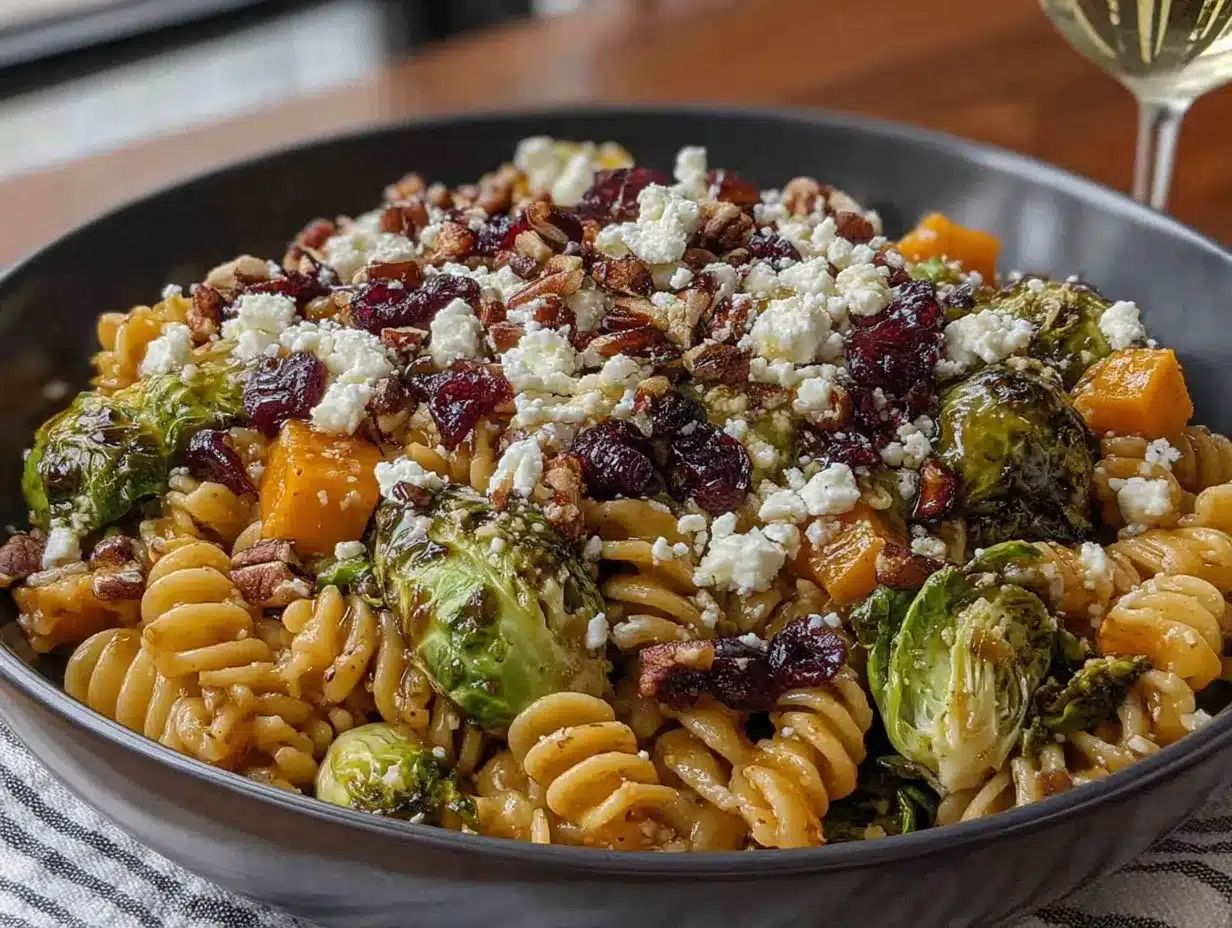
Let’s get cooking. This recipe moves fast, so I recommend prepping all your ingredients before you start. Trust me, it makes everything smoother.
- Preheat your oven to 400°F (200°C). While it’s heating, line a baking sheet with parchment paper for easy cleanup. Toss the cubed butternut squash with 1 tablespoon of olive oil, a pinch of salt, and a few cracks of black pepper. Spread it in a single layer—don’t overcrowd, or it will steam instead of roast. Roast for 20-25 minutes, flipping halfway through, until the edges are golden and caramelized. You’ll know it’s done when a fork slides in easily but the cubes still hold their shape.
- Meanwhile, bring a large pot of salted water to a boil. I add about a tablespoon of salt—it seasons the pasta from the inside out. Add your pasta and cook according to package directions until al dente. For most short pasta, that’s about 8-10 minutes. Drain in a colander and rinse with cold water to stop the cooking. This also removes excess starch, which keeps the salad from getting gummy.
- While the pasta cooks, make the dressing. In a small bowl, whisk together the apple cider vinegar, maple syrup, and Dijon mustard until smooth. Slowly drizzle in the 1/4 cup of olive oil while whisking constantly. This creates an emulsion that coats every piece of pasta perfectly. Season with a pinch of salt and pepper. Taste it—it should be tangy with a hint of sweetness. Adjust if needed.
- Toast the pumpkin seeds. In a dry skillet over medium heat, add the pumpkin seeds and toast for 2-3 minutes, shaking the pan frequently, until they start to pop and smell nutty. Watch them closely—they burn fast. Remove from the pan immediately and set aside.
- Assemble the salad. In a large bowl, combine the cooled pasta, roasted squash, dried cranberries, and chopped sage (if using). Pour the dressing over the top and toss gently with a spatula until everything is evenly coated. Be careful not to break up the squash too much.
- Add the goat cheese and pumpkin seeds. Gently fold in the crumbled goat cheese and toasted pumpkin seeds, reserving a little of each for garnish. Taste and adjust seasoning with more salt or pepper if needed.
- Let it rest. Here’s the hardest part: let the salad sit for at least 10 minutes before serving. This gives the pasta time to absorb the dressing. If you can wait 30 minutes, even better. The flavors really come together.
Pro tip: If you’re making this ahead, leave the goat cheese and pumpkin seeds off until just before serving. They’ll stay fresher that way. And if the salad seems dry after sitting in the fridge, add a splash of apple cider vinegar and a drizzle of olive oil to revive it.
Cooking Tips & Techniques
I’ve made this recipe enough times to know where things can go wrong. Here are my hard-earned lessons so you don’t have to learn them the hard way.
Don’t overcook the pasta. Mushy pasta salad is a tragedy. Cook it al dente—firm to the bite—because it will continue to soften slightly as it absorbs the dressing. Rinsing with cold water stops the cooking immediately and gives you perfect texture every time.
Roast the squash properly. The biggest mistake I made the first time was cutting the cubes too small. They burned before they softened. Aim for 1/2-inch cubes, and make sure they’re roughly the same size so they cook evenly. Also, don’t skip the flipping step. It makes a difference.
Emulsify your dressing. If you just dump everything together without whisking, the oil and vinegar will separate, and your salad will taste uneven. Whisk the mustard with the vinegar first—the mustard acts as a binder—then add the oil slowly. It takes 30 seconds and makes a world of difference.
Season as you go. Salt the pasta water, salt the squash before roasting, and season the dressing. Each layer builds flavor. If you only season at the end, you’ll end up with a flat-tasting salad that needs way more salt than it should.
Let it rest. I know I said this already, but it’s worth repeating. Pasta salad needs time for the flavors to meld. If you serve it immediately, the dressing hasn’t had a chance to sink in. Ten minutes is the minimum. Overnight is magical.
Variations & Adaptations
One of the best things about this recipe is how flexible it is. I’ve tried several variations, and they’ve all been winners.
- Add Protein: Toss in some shredded rotisserie chicken or crispy bacon bits for a heartier meal. I’ve also added grilled chicken on nights when I need extra staying power.
- Make It Vegan: Skip the goat cheese and add 1/4 cup of toasted walnuts or pecans for richness. The maple syrup in the dressing is already vegan-friendly.
- Switch the Squash: Roasted sweet potato, delicata squash, or even carrots work beautifully. In a pinch, I’ve used frozen butternut squash that I thawed and patted dry before roasting.
- Change the Greens: Add a handful of fresh spinach or arugula just before serving. They wilt slightly from the warmth of the pasta and add a peppery kick.
- Try a Different Cheese: Feta, blue cheese, or even shaved Parmesan are all delicious substitutes. Each one changes the flavor profile in a fun way.
- Add More Crunch: Toasted pecans, walnuts, or even crispy chickpeas add texture. I once added crumbled tortilla chips in a moment of desperation, and honestly, it wasn’t bad.
My personal favorite variation is adding a handful of chopped kale and massaging it with the dressing before adding the other ingredients. It wilts slightly and adds a nice earthy note. My kids don’t even notice the extra greens.
Serving & Storage Suggestions
This pasta salad is incredibly versatile when it comes to serving. You can enjoy it warm, at room temperature, or cold straight from the fridge. I personally love it warm right after making it, but my husband prefers it chilled the next day.
Serving Suggestions: Serve it as a main dish with a side of crusty bread, or as a side alongside grilled chicken, pork chops, or a simple roasted salmon. It also makes a fantastic lunchbox addition—just pack it in a container and go. For a fall-themed dinner party, pair it with a warm bowl of butternut squash soup and a glass of crisp apple cider.
Storage Instructions: Store leftovers in an airtight container in the refrigerator for up to 4 days. The flavors actually deepen over time, so day 2 and 3 are often even better than day 1. If the salad seems dry after refrigeration, add a splash of apple cider vinegar and a drizzle of olive oil, then toss to refresh.
Freezing: I don’t recommend freezing this salad. The pasta gets mushy, and the goat cheese becomes crumbly and weird. It’s best enjoyed fresh or within a few days.
Make-Ahead Tip: This is a lifesaver for busy weeks. Assemble everything except the goat cheese and pumpkin seeds up to 2 days in advance. When you’re ready to serve, add the cheese and seeds, toss, and you’re done. It’s like having a shortcut to dinner.
Nutritional Information & Benefits
While this recipe feels indulgent, it’s actually quite balanced. Here’s a rough estimate per serving (based on 6 servings):
- Calories: 380
- Protein: 10g
- Carbohydrates: 45g
- Fiber: 5g
- Fat: 18g
- Sugar: 12g (naturally occurring from squash and cranberries)
Health Benefits: Butternut squash is packed with vitamin A and fiber, which supports eye health and digestion. Pumpkin seeds are rich in magnesium and zinc, great for immune function. The apple cider vinegar in the dressing may help with blood sugar regulation. And the olive oil provides healthy monounsaturated fats that are good for your heart.
Dietary Considerations: This recipe is naturally vegetarian and can easily be made vegan by omitting the goat cheese. For gluten-free, use your favorite gluten-free pasta. It’s also relatively low in added sugar—only the maple syrup in the dressing, which is minimal per serving.
I love that this recipe feels like comfort food but doesn’t leave me feeling heavy afterward. It’s the kind of meal that satisfies your cravings without the guilt.
Conclusion
So there you have it—a quick fall pasta salad that came to me from a hardware store cashier named Rita, and that I’ve been making on repeat ever since. It’s the kind of recipe that proves you don’t need complicated techniques or exotic ingredients to create something truly memorable. Just good, simple food made with a little intention and a lot of love.
I hope you give this a try, and I hope it becomes a staple in your weeknight rotation like it has in mine. Feel free to tweak it, make it your own, and share your variations with me. That’s the beauty of cooking—everyone brings their own twist to the table. If you make this, I’d love to hear about it. Drop a comment below, tag me in your photos, or just tell me about the time you got a recipe from the most unexpected place. Happy cooking, friends.
Frequently Asked Questions
Can I make this pasta salad ahead of time?
Absolutely. In fact, I recommend it. Make it up to 2 days in advance, but leave the goat cheese and pumpkin seeds off until just before serving. The flavors get even better as they meld overnight.
Can I use a different type of squash?
Yes! Sweet potatoes, acorn squash, or delicata squash all work beautifully. Just adjust the roasting time slightly based on the size of your cubes. You want them tender and caramelized.
What’s the best pasta shape for this salad?
Short pasta with nooks and crannies works best. Fusilli, rotini, farfalle, or even orecchiette are great choices. Avoid long pasta like spaghetti—it doesn’t hold the dressing as well.
How do I keep the pasta from getting mushy?
Cook it al dente—firm to the bite—and rinse it with cold water immediately after draining. This stops the cooking process and removes excess starch. Also, don’t overdress the salad; you can always add more dressing later.
Can I add meat to make it a complete meal?
Definitely. Shredded rotisserie chicken, grilled chicken, crispy bacon, or even sliced Italian sausage are all excellent additions. Just fold them in when you add the other ingredients.
Pin This Recipe!
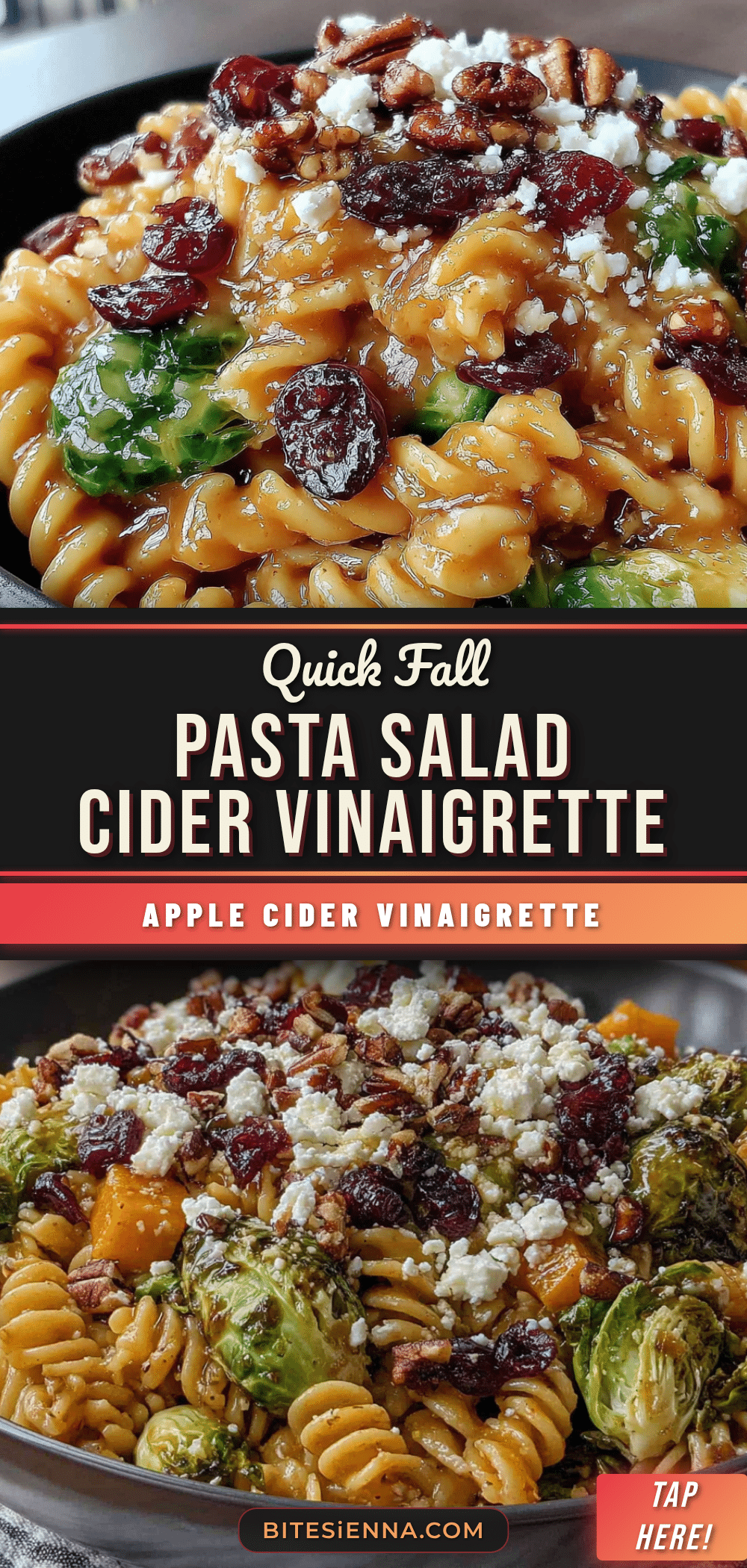
Best Easy Fall Pasta Salad with Apple Cider Vinaigrette
A quick and forgiving fall pasta salad featuring roasted butternut squash, tangy apple cider vinaigrette, and creamy goat cheese. Ready in under 30 minutes, it’s perfect for busy weeknights and gets even better the next day.
- Prep Time: 10 minutes
- Cook Time: 20 minutes
- Total Time: 30 minutes
- Yield: 6 servings 1x
- Category: Main Course
- Cuisine: American
Ingredients
- 8 ounces short pasta (fusilli, rotini, or farfalle)
- 2 cups butternut squash, cubed (1/2-inch cubes)
- 3 tablespoons apple cider vinegar
- 2 tablespoons pure maple syrup
- 1 teaspoon Dijon mustard
- 1/4 cup extra virgin olive oil (plus 1 tablespoon for roasting squash)
- 4 ounces goat cheese, crumbled
- 1/3 cup dried cranberries
- 1/4 cup pumpkin seeds (pepitas), toasted
- 4–5 fresh sage leaves, chopped (optional)
- Salt and black pepper to taste
Instructions
- Preheat oven to 400°F (200°C). Line a baking sheet with parchment paper. Toss cubed butternut squash with 1 tablespoon olive oil, a pinch of salt, and black pepper. Spread in a single layer and roast for 20-25 minutes, flipping halfway, until golden and caramelized.
- Bring a large pot of salted water to a boil. Add pasta and cook according to package directions until al dente. Drain and rinse with cold water to stop cooking.
- In a small bowl, whisk together apple cider vinegar, maple syrup, and Dijon mustard. Slowly drizzle in 1/4 cup olive oil while whisking constantly to emulsify. Season with salt and pepper.
- In a dry skillet over medium heat, toast pumpkin seeds for 2-3 minutes until fragrant and starting to pop. Remove from pan immediately.
- In a large bowl, combine cooled pasta, roasted squash, dried cranberries, and chopped sage (if using). Pour dressing over and toss gently to coat.
- Gently fold in crumbled goat cheese and toasted pumpkin seeds, reserving some for garnish. Adjust seasoning with salt and pepper.
- Let salad rest for at least 10 minutes before serving to allow flavors to meld. Garnish with reserved goat cheese and pumpkin seeds.
Notes
For best results, cook pasta al dente and rinse with cold water. Let the salad rest at least 10 minutes before serving. If making ahead, leave off goat cheese and pumpkin seeds until just before serving. To refresh leftovers, add a splash of apple cider vinegar and a drizzle of olive oil.
Nutrition
- Serving Size: 1 serving (about 1.5
- Calories: 380
- Sugar: 12
- Sodium: 320
- Fat: 18
- Saturated Fat: 5
- Carbohydrates: 45
- Fiber: 5
- Protein: 10
Keywords: fall pasta salad, apple cider vinaigrette, butternut squash, quick dinner, weeknight meal, vegetarian, goat cheese, maple syrup