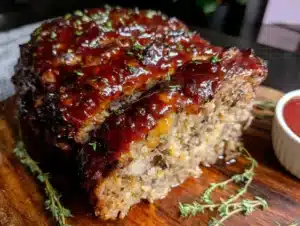
The neighborhood potluck was in six hours and I’d completely forgotten. I mean, I’d marked it on the calendar—the big one, the annual “Welcome to Fall” gathering where everyone brings their absolute best dish. But somehow, between school pickups and a surprise work deadline, it had slipped my mind entirely. Everyone else would be bringing those elaborate, multi-day preparations. Martha next door was famous for her slow-braised short ribs that took three days. Sarah always brought a from-scratch apple tart with a lattice crust that looked like a magazine cover. And me? I had ground beef thawing on the counter and a vague sense of panic setting in.
Honestly, I almost stopped at the store for a store-bought pie and called it a day. But something stopped me. Maybe it was pride, maybe it was stubbornness, or maybe it was the memory of my grandmother’s meatloaf—the one she’d throw together in twenty minutes flat, glazed with whatever was in the pantry, and that would somehow disappear before anything else on the table. So I grabbed what I had: ground beef, breadcrumbs, an onion that was starting to look a little sad, and a bottle of brown sugar that was practically glued to the shelf from neglect. I figured I’d make a classic meatloaf, slap some glaze on top, and at least show up with something homemade.
Here’s the thing about cooking under pressure, you know? You stop overthinking. You just do. I mixed everything in a bowl with my bare hands—there’s something therapeutic about that, honestly—and shaped it into a loaf on a sheet pan because I couldn’t find my loaf pan. The brown sugar glaze came together in a minute: ketchup, brown sugar, a splash of vinegar, some mustard powder. I brushed it on thick, slid it into the oven, and prayed. When I pulled it out, the glaze had caramelized into this sticky, glossy crust that smelled like comfort. I almost didn’t want to share it. But I did. And you know what happened? That simple, thrown-together meatloaf won the potluck. Not the short ribs. Not the tart. The meatloaf. People asked for the recipe all night. I kept saying, “It’s nothing, really,” but let me tell you—it was everything. That’s why I keep making it. Not because it’s fancy, but because it’s real. And maybe you’ve been there, staring at your pantry with no plan and a deadline. This recipe is for those moments.
Why You’ll Love This Recipe
This isn’t just another meatloaf recipe you’ll find online. I’ve tested this version more times than I can count—through different meat blends, glaze ratios, and cooking methods—to get it just right. It’s the kind of recipe that feels like a hug on a plate, but it’s also incredibly forgiving. Let me tell you why it works.
- Quick & Easy: From fridge to table in about an hour, with only 15 minutes of active prep. Perfect for those weeknights when you need something hearty but don’t have hours to spend.
- Simple Ingredients: You probably have 90% of these in your kitchen right now. No fancy grocery runs, no obscure spices. Just real, honest food.
- Perfect for Cozy Nights: This is the dish you want when the weather turns chilly, when you’re craving something that fills the house with that warm, savory smell. It’s fall comfort at its finest.
- Crowd-Pleaser: Kids love it, adults love it, even picky eaters come back for seconds. I’ve served it at family dinners, potlucks, and casual get-togethers, and it never fails.
- Unbelievably Delicious: The brown sugar glaze is the real star here—it caramelizes into this sticky, sweet-and-savory crust that contrasts perfectly with the tender, juicy meat inside. It’s next-level comfort food.
What makes this recipe different from the rest? It’s the balance. The meatloaf itself is seasoned just right—not too salty, not too bland—with a blend of aromatics and binders that keep it moist without being mushy. And that glaze? It’s not just a topping; it’s a promise. The brown sugar caramelizes into a glossy, almost candied crust that locks in moisture and adds a layer of flavor you won’t get from a plain ketchup topping. This isn’t just another version—it’s my best version, perfected through trial and error (and a few dry meatloaves I’d rather forget).
Honestly, this recipe is the kind that makes you close your eyes after the first bite. It’s comfort food reimagined—familiar, but somehow better than you remember. Perfect for impressing guests without stress, or turning a simple Tuesday dinner into something memorable.
What Ingredients You Will Need
This recipe uses simple, wholesome ingredients to deliver bold flavor and satisfying texture without the fuss. Most of these are pantry staples, which makes this dish perfect for last-minute cravings or planned cozy dinners alike.
For the Meatloaf
- Ground beef (2 lbs / 900g): I recommend 80/20 blend for the best balance of flavor and moisture. Too lean and the meatloaf can dry out; too fatty and it gets greasy. If you prefer, you can use a mix of ground beef and ground pork for extra richness.
- Breadcrumbs (1 cup / 120g): Plain or Italian-seasoned both work. Panko breadcrumbs give a lighter texture, while traditional breadcrumbs make it more compact. I’ve used both and honestly prefer the texture of panko—it keeps the meatloaf from getting too dense.
- Onion (1 medium, finely diced / about 150g): Yellow or white onion works best. Sauté it briefly before adding to the mix for a milder flavor, or use it raw if you prefer more onion punch. I usually sauté mine in a little butter—it adds sweetness and ensures no crunchy onion bits.
- Garlic (3 cloves, minced): Fresh garlic is non-negotiable here. The jarred stuff just doesn’t have the same punch. Trust me on this one.
- Eggs (2 large): These act as binders, holding everything together. Make sure they’re at room temperature for easier mixing.
- Milk (½ cup / 120ml): Whole milk adds moisture, but any milk will work. I’ve even used buttermilk in a pinch, and it added a nice tang.
- Worcestershire sauce (2 tablespoons): This adds that deep, savory umami flavor. Lea & Perrins is my go-to brand.
- Ketchup (¼ cup / 60ml): Adds a touch of sweetness and acidity to the meat mixture itself.
- Dried thyme (1 teaspoon): Earthy and warm, thyme pairs beautifully with beef. You can substitute with dried oregano or rosemary if that’s what you have.
- Salt (1½ teaspoons) and black pepper (1 teaspoon): Season generously—meatloaf can be bland if you’re shy with salt.
- Fresh parsley (¼ cup, chopped, optional): For a pop of color and freshness. I add it when I’m feeling fancy.
For the Brown Sugar Glaze
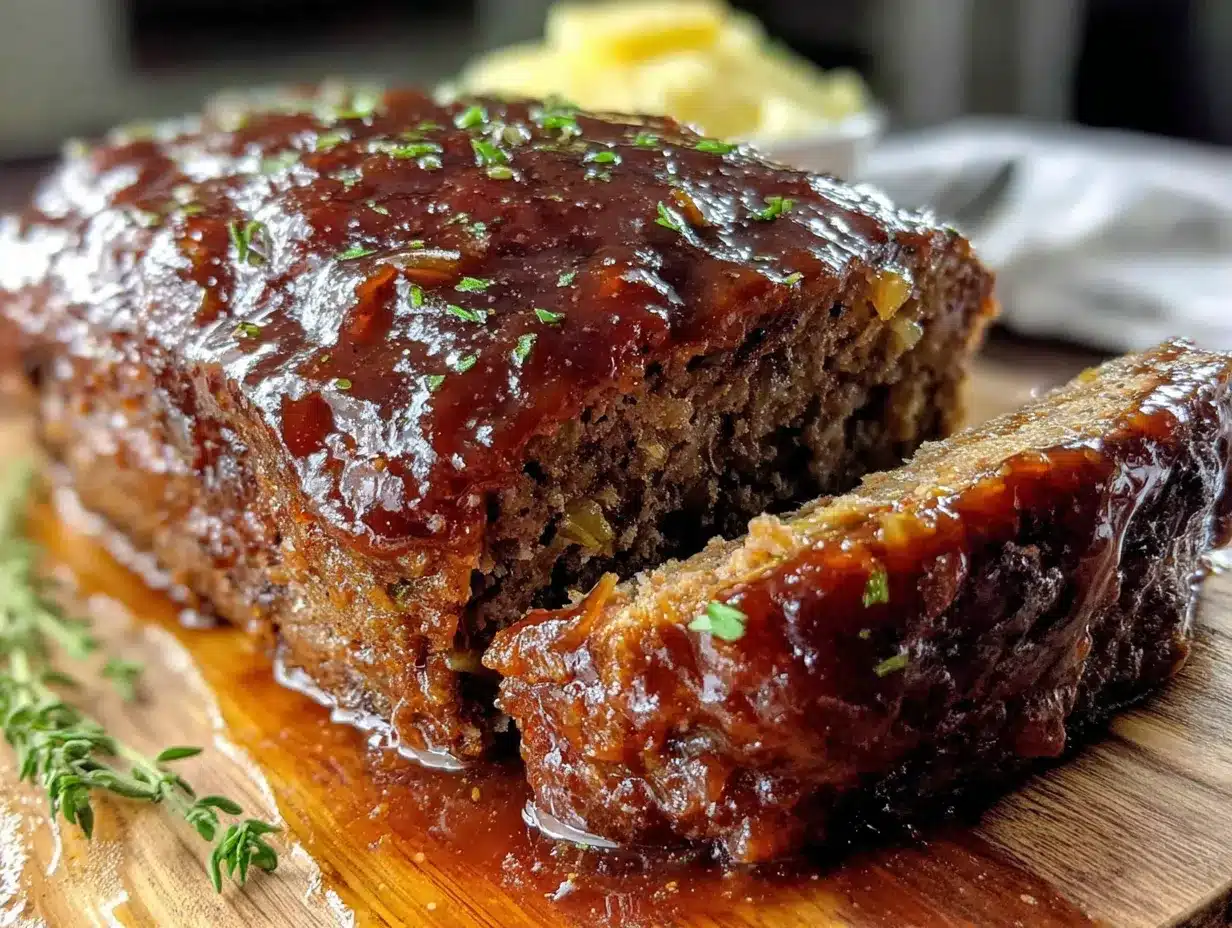
- Ketchup (¾ cup / 180ml): The base of the glaze. Use a good-quality ketchup—Heinz is my personal favorite for its balance of sweet and tangy.
- Brown sugar (½ cup / 100g, packed): Light or dark brown sugar both work. Dark brown sugar gives a deeper, more molasses-like flavor. I prefer dark for a richer glaze.
- Apple cider vinegar (1 tablespoon): Cuts through the sweetness and adds a subtle tang. White vinegar works too, but apple cider adds a nicer depth.
- Mustard powder (1 teaspoon): Adds a gentle heat and complexity. You can substitute with 1 tablespoon of yellow mustard if that’s what you have.
- Garlic powder (½ teaspoon): For a subtle savory note in the glaze.
Ingredient Selection Tips: For the best texture, use ground beef that isn’t too lean. I’ve tried 93/7 and the meatloaf was noticeably drier. If you need to use leaner meat, add an extra tablespoon of milk or a tablespoon of olive oil to compensate. For the breadcrumbs, I recommend Progresso plain breadcrumbs or Ian’s panko—both hold up well without making the meatloaf gummy.
Substitution Guidance: Gluten-free? Use gluten-free breadcrumbs or crushed pork rinds for a low-carb option. Dairy-free? Swap the milk for unsweetened almond milk or oat milk, and use a dairy-free butter alternative for sautéing the onions. Egg-free? You can use a flax egg (1 tablespoon ground flaxseed mixed with 3 tablespoons water, let sit for 5 minutes) or a commercial egg replacer.
Equipment Needed
You don’t need a fancy kitchen to make this meatloaf. Here’s what I use:
- Large mixing bowl: For combining all the ingredients. A glass or stainless steel bowl works great—avoid plastic if you can, as it can absorb odors.
- 9×5-inch loaf pan (or rimmed baking sheet): A loaf pan gives that classic shape, but I actually prefer a rimmed baking sheet because the glaze caramelizes better on all sides. If using a loaf pan, line it with parchment paper for easy removal.
- Measuring cups and spoons: For accuracy, especially with the glaze ingredients.
- Chef’s knife and cutting board: For dicing the onion and mincing the garlic.
- Small skillet: For sautéing the onions and garlic. A non-stick or stainless steel pan works fine.
- Whisk or fork: For mixing the glaze ingredients together.
- Pastry brush (optional): For brushing the glaze on evenly. A spoon works too, but a brush gives a nicer finish.
- Meat thermometer: This is non-negotiable for me. A digital instant-read thermometer ensures your meatloaf is cooked to 160°F (71°C) without guessing. I use a ThermoPro and love it.
- Parchment paper or aluminum foil: For lining the pan and tenting the meatloaf if it browns too quickly.
Budget-Friendly Options: Don’t have a loaf pan? Shape the meatloaf by hand on a baking sheet—it works perfectly. No pastry brush? Use the back of a spoon to spread the glaze. No meat thermometer? Cook until the juices run clear and the internal temperature feels hot when you insert a knife for 10 seconds. But honestly, a meat thermometer is worth the $10 investment.
Preparation Method
- Preheat your oven to 350°F (175°C). Line a rimmed baking sheet with parchment paper or lightly grease a 9×5-inch loaf pan. If using a loaf pan, I recommend lining it with parchment paper for easier removal.
- Sauté the aromatics. In a small skillet over medium heat, melt 1 tablespoon of butter or olive oil. Add the finely diced onion and cook for 3-4 minutes until translucent and softened. Add the minced garlic and cook for another 30 seconds until fragrant. Remove from heat and let cool slightly. This step is crucial—raw onion can make the meatloaf watery and unevenly textured.
- Make the brown sugar glaze. In a small bowl, whisk together ¾ cup ketchup, ½ cup packed brown sugar, 1 tablespoon apple cider vinegar, 1 teaspoon mustard powder, and ½ teaspoon garlic powder until smooth. Set aside. The glaze will thicken slightly as it sits, which is perfect for brushing.
- Combine the meatloaf ingredients. In a large mixing bowl, combine 2 lbs ground beef, 1 cup breadcrumbs, the sautéed onion and garlic, 2 large eggs (lightly beaten), ½ cup milk, 2 tablespoons Worcestershire sauce, ¼ cup ketchup, 1 teaspoon dried thyme, 1½ teaspoons salt, 1 teaspoon black pepper, and the optional parsley. Use your hands to mix everything together—this is the best way to ensure even distribution without overmixing. Overmixing can make the meatloaf tough, so stop as soon as everything is combined.
- Shape the meatloaf. Transfer the meat mixture to your prepared pan or baking sheet. Shape it into a loaf about 8 inches long and 4 inches wide, making sure it’s evenly shaped for even cooking. If using a loaf pan, gently press the mixture in without packing it too tightly.
- Apply the first layer of glaze. Using a pastry brush or the back of a spoon, spread about half of the brown sugar glaze evenly over the top and sides of the meatloaf. Reserve the remaining glaze for later.
- Bake for 45 minutes. Place the meatloaf in the preheated oven and bake for 45 minutes. The glaze will start to caramelize and the kitchen will smell incredible. If the top is browning too quickly, tent loosely with aluminum foil.
- Apply the second layer of glaze. After 45 minutes, remove the meatloaf from the oven and brush on the remaining glaze. Return to the oven and bake for another 15-20 minutes, until the internal temperature reaches 160°F (71°C) when tested with a meat thermometer inserted into the center.
- Rest before slicing. This is the hardest part, I know. Let the meatloaf rest for 10-15 minutes before slicing. This allows the juices to redistribute, ensuring every slice is moist and tender. If you slice too soon, the juices will run out and you’ll end up with dry meatloaf.
- Slice and serve. Use a sharp knife to cut even slices. The glaze will be sticky and gorgeous. Serve warm with your favorite sides.
Visual Cues: When properly cooked, the meatloaf should be firm to the touch but still feel slightly springy. The glaze should be dark, glossy, and caramelized around the edges. The internal temperature is your most reliable indicator—don’t skip it.
Personal Tip: I always make extra glaze. Sometimes I double the recipe and use the extra as a dipping sauce on the side. It’s incredible over mashed potatoes or roasted vegetables too.
Cooking Tips & Techniques
After making this recipe more times than I can count (and a few failures I’d rather forget), here’s what I’ve learned:
Don’t overmix the meat. This is the number one mistake I made early on. Mixing too much develops the proteins in the meat, making the meatloaf dense and tough. Use your hands and mix just until everything is combined—you should still see small bits of onion and herbs. It’s okay if it looks a little rough.
Use a meat thermometer. I cannot stress this enough. Meatloaf is thick, and the outside can look perfectly done while the inside is still undercooked. Or worse, you overcook it trying to be safe and end up with dry meatloaf. 160°F (71°C) is the sweet spot. I learned this after serving a dry, crumbly meatloaf to my in-laws. Never again.
Let it rest. I know you’re hungry. I know the smell is driving you crazy. But cutting into it immediately is a tragedy waiting to happen. The resting period allows the juices to settle, so every slice stays moist. I usually set a timer and walk away—out of sight, out of mind.
Toast your breadcrumbs first. This is a pro tip I picked up from a chef friend. Spread the breadcrumbs on a baking sheet and toast them at 350°F for 3-5 minutes until golden. It adds a subtle nuttiness and helps the meatloaf hold its shape better. I do this now every single time.
Make a well in the center. When shaping the meatloaf, create a slight indentation down the center. This helps the meatloaf cook more evenly and prevents it from doming too much in the middle. It also creates a little channel for the glaze to pool into—delicious.
Timing strategy: While the meatloaf bakes, I use that time to prepare my sides. Mashed potatoes, roasted green beans, or a simple salad all work perfectly. The meatloaf needs about an hour total, so plan accordingly. I also make the glaze while the onions are sautéing—multitasking saves time.
Variations & Adaptations
One of the best things about this recipe is how adaptable it is. Here are some variations I’ve tried and loved:
1. Turkey Meatloaf: Swap the ground beef for ground turkey (93/7 works best). Add 2 tablespoons of olive oil to compensate for the lower fat content, and consider adding a tablespoon of tomato paste for extra flavor. The cooking time stays about the same, but check the temperature at 50 minutes—turkey can dry out faster.
2. BBQ Bacon Meatloaf: This is my husband’s favorite variation. Wrap the shaped meatloaf in 6-8 strips of bacon before glazing. Use your favorite BBQ sauce instead of the brown sugar glaze, or do a 50/50 mix of BBQ sauce and the glaze. The bacon gets crispy and adds a smoky flavor that’s incredible. Just be aware it adds about 10 minutes to the cooking time.
3. Cheesy Stuffed Meatloaf: Flatten the meat mixture into a rectangle about 1 inch thick on a piece of parchment paper. Spread 1 cup of shredded mozzarella or cheddar cheese down the center, then use the parchment to roll it up into a log, sealing the edges. The cheese melts into a gooey, delicious center. This is my go-to for special occasions.
4. Dairy-Free Version: Replace the milk with unsweetened almond milk or oat milk, and use a dairy-free butter alternative for sautéing the onions. The texture is slightly less tender, but still very good. I’ve made this for friends with dairy allergies and they couldn’t tell the difference.
5. Gluten-Free Version: Use gluten-free breadcrumbs (I like Ian’s brand) or crushed pork rinds for a low-carb option. The pork rinds add a surprising amount of moisture and flavor. Reduce the milk to ⅓ cup since pork rinds absorb less liquid.
Personal Variation: I once added a tablespoon of chipotle in adobo sauce to the glaze for a smoky-spicy kick. It was a happy accident—I was out of ketchup and needed to stretch what I had. The result was incredible, with a subtle heat that didn’t overpower the sweetness. Now I make it that way half the time.
Serving & Storage Suggestions
Serving: Serve the meatloaf warm, sliced into 1-inch thick pieces. The glaze should be glossy and slightly sticky. I love serving it on a large platter, with the slices slightly overlapping, and spooning any extra glaze from the pan over the top. A sprinkle of fresh parsley adds a nice pop of color.
Complementary Dishes: This meatloaf pairs beautifully with classic comfort sides. Creamy mashed potatoes are the obvious choice—the glaze doubles as an incredible gravy. Roasted green beans or sautéed Brussels sprouts add a nice contrast. For a lighter option, a simple arugula salad with lemon vinaigrette cuts through the richness. And honestly, a slice of crusty bread to soak up any extra glaze is never a bad idea.
Storage: Leftover meatloaf keeps beautifully. Store slices in an airtight container in the refrigerator for up to 4 days. The flavors actually deepen overnight, so leftovers might be even better than the first serving.
Freezing: You can freeze the whole cooked meatloaf or individual slices. Wrap tightly in plastic wrap, then aluminum foil, and freeze for up to 3 months. To thaw, transfer to the refrigerator overnight. I often make two meatloaves at once—one for dinner and one for the freezer. It’s a lifesaver on busy nights.
Reheating: The best way to reheat is in the oven at 300°F (150°C) for 10-15 minutes, covered with foil to prevent drying. For individual slices, a skillet over medium-low heat with a splash of water or broth works well—cover the skillet to trap steam. The microwave works in a pinch, but the texture won’t be as good. I avoid the microwave unless I’m in a serious hurry.
Flavor Development: Here’s a little secret—meatloaf sandwiches the next day are incredible. Toast some bread, add a slice of cold meatloaf, and maybe some pickles or a smear of extra glaze. It’s a whole different experience, and honestly, sometimes I look forward to the leftovers more than the original meal.
Nutritional Information & Benefits
Here’s the approximate nutritional breakdown per serving (based on 8 servings):
| Nutrient | Amount Per Serving |
|---|---|
| Calories | 385 |
| Protein | 28g |
| Fat | 18g |
| Saturated Fat | 7g |
| Carbohydrates | 28g |
| Fiber | 1g |
| Sugar | 18g |
| Sodium | 680mg |
Health Benefits: This meatloaf is a good source of protein, iron, and B vitamins from the beef. The onions and garlic provide antioxidants and anti-inflammatory compounds. While it’s not a low-calorie dish, it’s a satisfying, nutrient-dense meal that can fit into a balanced diet. I like to serve it with a generous portion of vegetables to round out the plate.
Dietary Considerations: This recipe contains gluten (from breadcrumbs), dairy (from milk and butter), and eggs. For gluten-free, dairy-free, or egg-free options, see the variations section. If you’re watching your sodium, you can reduce the salt to 1 teaspoon and use low-sodium ketchup.
Personal Perspective: I don’t believe in “healthy” or “unhealthy” foods in absolute terms. I believe in balance. This meatloaf is comfort food, pure and simple. It’s the kind of meal that nourishes more than just your body—it feeds the soul. And sometimes, that’s exactly what you need.
Conclusion
This cozy classic meatloaf with brown sugar glaze is more than just a recipe—it’s a reminder that the best dishes don’t have to be complicated. They just have to be made with care. Whether you’re cooking for a potluck under pressure, feeding your family on a chilly weeknight, or just craving something that tastes like home, this meatloaf delivers every single time.
I want you to make this recipe your own. Add more garlic if you’re a garlic lover. Swap in BBQ sauce for the glaze if that’s your thing. Stuff it with cheese or wrap it in bacon. The beauty of meatloaf is that it’s forgiving—it wants to be customized. So play with it, experiment, and don’t be afraid to make mistakes. That’s how you learn, and that’s how you make a recipe truly yours.
Honestly, I love this recipe because it reminds me that you don’t need fancy ingredients or hours of prep to create something memorable. You just need a little time, a little love, and a willingness to get your hands dirty—literally. This meatloaf has seen me through potluck wins, quiet family dinners, and everything in between. I hope it becomes that for you too.
Have you tried this recipe? I’d love to hear how it turned out. Drop a comment below and let me know your favorite variation, or tag me in your photos if you share them online. Happy cooking!
Frequently Asked Questions
Can I make this meatloaf ahead of time?
Absolutely! You can assemble the meatloaf (without the glaze) up to 24 hours in advance. Keep it covered in the refrigerator, then add the glaze and bake when you’re ready. You may need to add 5-10 minutes to the baking time since you’re starting from cold.
Why is my meatloaf falling apart?
This usually happens when there aren’t enough binders (eggs and breadcrumbs) or if the meatloaf is sliced too soon. Make sure you’re using the full amount of eggs and breadcrumbs, and always let the meatloaf rest for 10-15 minutes before slicing. If it’s still falling apart, try adding an extra egg next time.
Can I use ground turkey or chicken instead of beef?
Yes, but you’ll need to make a few adjustments. Poultry is leaner and can dry out easily. Add 2 tablespoons of olive oil or an extra egg to compensate. I also recommend using dark meat turkey or chicken for more moisture. The cooking time stays about the same, but check the internal temperature at 50 minutes.
How do I prevent the glaze from burning?
If the glaze is browning too quickly, tent the meatloaf loosely with aluminum foil during the last 15-20 minutes of baking. You can also reduce the oven temperature to 325°F (160°C) for the final stage. The key is applying the glaze in two layers—the first layer caramelizes, and the second layer stays glossy and sticky.
Can I double this recipe?
Definitely! This recipe doubles beautifully. For two meatloaves, use a large rimmed baking sheet and shape them side by side. The baking time may increase by 10-15 minutes since the oven is more crowded. I often make a double batch and freeze one for later—it’s a great time-saver.
Pin This Recipe!
Cozy Classic Meatloaf with Brown Sugar Glaze: Easy Best Recipe

This isn’t just another meatloaf recipe—it’s a comforting, crowd-pleasing dish with a caramelized brown sugar glaze that locks in moisture and adds a sweet-savory crust. Perfect for potlucks, family dinners, or cozy nights in.
- Prep Time: 15 minutes
- Cook Time: 1 hour
- Total Time: 1 hour 15 minutes
- Yield: 8 servings 1x
- Category: Main Course
- Cuisine: American
Ingredients
- 2 lbs (900g) ground beef (80/20 blend)
- 1 cup (120g) breadcrumbs (plain or panko)
- 1 medium onion (about 150g), finely diced
- 3 cloves garlic, minced
- 2 large eggs
- ½ cup (120ml) milk (whole or any)
- 2 tablespoons Worcestershire sauce
- ¼ cup (60ml) ketchup
- 1 teaspoon dried thyme
- 1½ teaspoons salt
- 1 teaspoon black pepper
- ¼ cup chopped fresh parsley (optional)
- ¾ cup (180ml) ketchup (for glaze)
- ½ cup (100g) packed brown sugar (light or dark)
- 1 tablespoon apple cider vinegar
- 1 teaspoon mustard powder
- ½ teaspoon garlic powder
Instructions
- Preheat oven to 350°F (175°C). Line a rimmed baking sheet with parchment paper or lightly grease a 9×5-inch loaf pan.
- In a small skillet over medium heat, melt 1 tablespoon butter or olive oil. Sauté the diced onion for 3-4 minutes until translucent. Add minced garlic and cook 30 seconds until fragrant. Let cool slightly.
- In a small bowl, whisk together ¾ cup ketchup, ½ cup packed brown sugar, 1 tablespoon apple cider vinegar, 1 teaspoon mustard powder, and ½ teaspoon garlic powder until smooth. Set aside.
- In a large mixing bowl, combine ground beef, breadcrumbs, sautéed onion and garlic, eggs, milk, Worcestershire sauce, ¼ cup ketchup, thyme, salt, pepper, and optional parsley. Mix with your hands until just combined—do not overmix.
- Transfer meat mixture to prepared pan or baking sheet. Shape into a loaf about 8 inches long and 4 inches wide, creating a slight indentation down the center.
- Brush about half of the glaze evenly over the top and sides of the meatloaf. Reserve remaining glaze.
- Bake for 45 minutes. If top browns too quickly, tent loosely with foil.
- Remove from oven, brush on remaining glaze. Return to oven and bake another 15-20 minutes until internal temperature reaches 160°F (71°C).
- Let meatloaf rest for 10-15 minutes before slicing.
- Slice and serve warm.
Notes
Don’t overmix the meat—mix just until combined. Let the meatloaf rest before slicing to keep it moist. For extra flavor, toast breadcrumbs before adding. Make a well in the center to prevent doming. The glaze can be doubled and used as a dipping sauce.
Nutrition
- Serving Size: 1 slice (1/8 of reci
- Calories: 385
- Sugar: 18
- Sodium: 680
- Fat: 18
- Saturated Fat: 7
- Carbohydrates: 28
- Fiber: 1
- Protein: 28
Keywords: meatloaf, brown sugar glaze, comfort food, easy dinner, potluck, ground beef, classic meatloaf