This was supposed to be a simple roasted vegetable side. I had a beautiful butternut squash from the farmer’s market, some pecans I’d toasted the day before, and a vision of something savory and elegant. I was already running late for a dinner party, my kitchen looked like a flour bomb had gone off from a previous baking project, and I was one spilled spice away from a meltdown. In my haste, I grabbed the wrong container—the one with the light brown sugar instead of the smoked paprika. I dumped a generous amount over the squash, tossed in the pecans, and only realized my mistake when the sugar started to melt in the hot pan. I was mortified. I almost threw the whole thing out and started over.
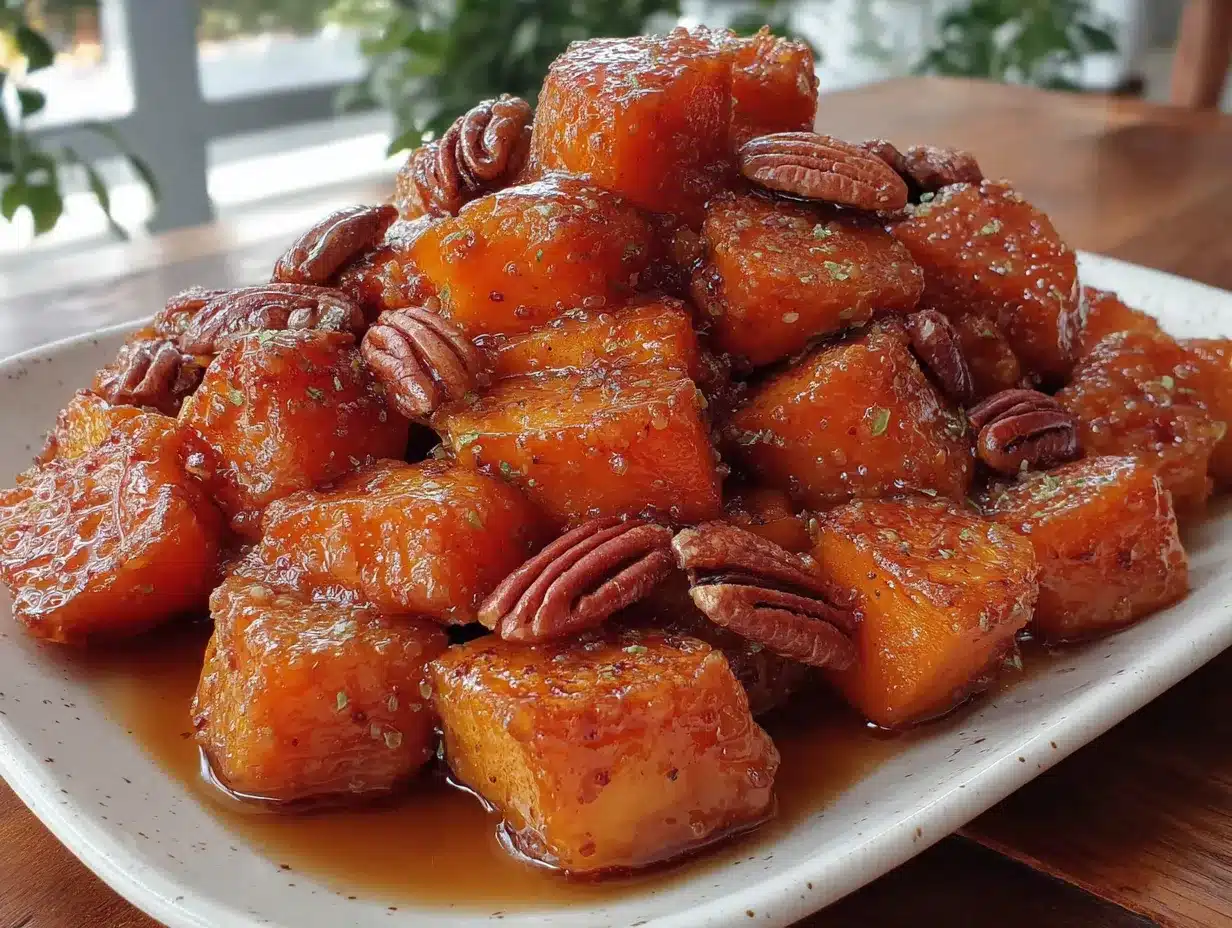
But the clock was ticking, and my guests were waiting. So I shoved the pan in the oven, braced for a cloying, sugary disaster, and ran out the door. Honestly, I spent the whole car ride mentally apologizing for the dessert-like side dish I was about to inflict on everyone. When I pulled the pan out at my friend’s house, the kitchen went quiet. The squash was caramelized at the edges, glossy and dark, and the pecans looked candied and impossibly crunchy. I took a bite, and let me tell you—it was nothing like the plan. It was better. That savory-sweet balance, the way the light brown sugar deepened the squash’s natural sweetness without making it taste like candy, the salty crunch of the pecans… it was a happy accident I’ve been chasing ever since. You know that feeling when a mistake turns out to be the best thing you’ve ever made? This is that recipe. It’s my go-to for holidays, weeknight dinners, and every time I want to look like I spent hours on something that came together in a panic.
Why You’ll Love This Light Brown Sugar Roasted Butternut Squash with Pecans
This isn’t just another roasted squash recipe. It’s the one that makes people ask for the recipe before they’ve even finished their first serving. I’ve tested this countless times to get that perfect balance of tender, caramelized squash and crunchy, spiced pecans. It’s the kind of dish that feels special enough for a holiday table but is simple enough for a Tuesday night.
- Quick & Easy: Comes together in about 40 minutes with just 10 minutes of active prep. Perfect for busy weeknights or last-minute holiday sides.
- Simple Ingredients: You likely already have light brown sugar, butter, and pecans in your pantry. No fancy grocery trips needed.
- Perfect for Any Occasion: It’s a showstopper at Thanksgiving, a cozy side for Sunday roasts, and even works as a sweet-savory topping for salads or grain bowls.
- Crowd-Pleaser: Even picky eaters and kids devour it. The caramelized edges are like nature’s candy.
- Unbelievably Delicious: The texture is what gets me every time—soft, buttery squash with crunchy, toasted pecans and a sticky, spiced glaze.
What makes this recipe different from the rest? It’s the technique. Instead of just tossing everything together, we par-cook the squash first to ensure it’s tender before adding the sugar and pecans. This prevents the sugar from burning and guarantees perfectly caramelized results every single time. I also add a pinch of cayenne pepper and fresh thyme—trust me on this. It cuts through the sweetness and makes the flavor incredibly complex. This isn’t just another version of roasted squash; it’s the best version.
What Ingredients You Will Need
This recipe uses simple, wholesome ingredients that work together to create something truly special. The light brown sugar is the star, but every component plays a crucial role.
- For the Squash:
- 1 medium butternut squash (about 2.5-3 lbs), peeled, seeded, and cut into 1-inch cubes. Look for a squash with a long neck—it’s easier to peel and has fewer seeds. I prefer buying pre-cut cubes from the store on busy weeks, but cutting your own gives you more uniform pieces.
- 2 tablespoons olive oil (adds richness and helps the squash roast evenly). I use a good-quality extra virgin olive oil here.
- ½ teaspoon salt (I use fine sea salt). Don’t skip it—it balances the sweetness.
- ¼ teaspoon black pepper, freshly ground.
- For the Glaze:
- 3 tablespoons unsalted butter, melted. I recommend Kerrygold or another European-style butter for its rich flavor.
- ¼ cup light brown sugar, packed. This is the key ingredient. Light brown sugar has a delicate molasses flavor that complements the squash without overpowering it. Dark brown sugar will work, but it’s more intense.
- 1 teaspoon vanilla extract (use pure, not imitation—it makes a difference).
- ½ teaspoon ground cinnamon.
- ¼ teaspoon ground nutmeg, freshly grated if possible.
- ⅛ teaspoon cayenne pepper (optional, but highly recommended—it doesn’t make it spicy, just adds depth).
- 1 tablespoon fresh thyme leaves, plus more for garnish. Dried thyme works in a pinch (use 1 teaspoon).
- For the Topping:
- ¾ cup pecan halves or pieces. I love the texture of whole halves, but pieces work too. Toast them lightly before adding for extra crunch. I’ve used walnuts and even pumpkin seeds in a pinch—both are delicious.
- Flaky sea salt, for finishing (like Maldon). This is non-negotiable for me—it adds that perfect salty crunch on top.
Equipment Needed
You don’t need much for this recipe, which is part of its charm. Here’s what I use:
- A sharp vegetable peeler—a Y-peeler is my favorite for butternut squash. It makes quick work of that tough skin.
- A large, sharp chef’s knife (8-inch or larger) for cutting the squash safely.
- A cutting board with a non-slip base.
- A large rimmed baking sheet (half-sheet pan). I use a heavy-duty one from Nordic Ware—it distributes heat evenly and prevents warping. Avoid dark, non-stick pans as they can cause the sugar to burn too quickly.
- Parchment paper or a silicone baking mat (optional, but makes cleanup a breeze).
- Small mixing bowls for the glaze and seasonings.
- A whisk or fork for mixing the glaze.
- Measuring cups and spoons.
If you don’t have a silicone baking mat, parchment paper is your best friend here. It prevents the sticky sugar from gluing your squash to the pan. Trust me on this—I learned the hard way when I had to soak my pan for an hour.
Preparation Method
Let’s get cooking. This method ensures perfectly tender, caramelized squash every time.
- Preheat your oven to 400°F (200°C). Position a rack in the middle of the oven. Line a large rimmed baking sheet with parchment paper or a silicone mat.
- Prepare the squash. Using a sharp vegetable peeler, remove the skin from the butternut squash. Cut off the stem and base, then slice the squash in half where the narrow neck meets the bulbous bottom. Scoop out the seeds and stringy bits from the bottom half using a spoon. Cut both halves into 1-inch cubes. Try to keep them uniform in size so they cook evenly. You should have about 5-6 cups of cubed squash. (Pro tip: If you’re short on time, buy pre-cut squash from the store—just make sure the pieces are roughly the same size.)
- Par-roast the squash. Place the cubed squash on the prepared baking sheet. Drizzle with the olive oil, sprinkle with salt and pepper, and toss to coat evenly. Spread the squash in a single, even layer—don’t overcrowd the pan. If the pieces are touching, that’s okay, but they shouldn’t be stacked. Roast for 15 minutes. The squash should be starting to soften but not fully cooked. This step is crucial—it ensures the squash is tender before we add the sugar, which prevents the sugar from burning.
- Make the glaze. While the squash roasts, prepare the glaze. In a small bowl, whisk together the melted butter, light brown sugar, vanilla extract, cinnamon, nutmeg, cayenne (if using), and fresh thyme leaves. Mix until the sugar is mostly dissolved and you have a smooth, fragrant paste. It will smell incredible—like a warm, spiced hug.
- Glaze the squash. Remove the baking sheet from the oven (careful, it’s hot!). Using a spatula, gently toss the partially roasted squash with the brown sugar glaze. Make sure every piece is coated. The sugar will start to melt immediately—that’s perfect. Spread the squash back into a single layer.
- Add the pecans. Sprinkle the pecan halves or pieces evenly over the glazed squash. Give them a gentle toss to coat them in the glaze too. Spread everything back into a single layer.
- Finish roasting. Return the baking sheet to the oven and roast for another 15-20 minutes, until the squash is fork-tender and the edges are deeply caramelized. The pecans should look toasted and the glaze should be bubbling and sticky. Halfway through, use a spatula to flip the squash and pecans gently. This ensures even caramelization and prevents burning. Your kitchen will smell like a bakery and a Thanksgiving dinner had a beautiful baby.
- Finish and serve. Remove the pan from the oven. Immediately sprinkle the roasted squash with flaky sea salt and a few extra fresh thyme leaves. The salt is crucial—it cuts the sweetness and makes the flavors pop. Let it cool on the pan for 5 minutes before transferring to a serving dish. The glaze will thicken slightly as it cools, creating a beautiful, glossy coating.
Cooking Tips & Techniques
I’ve made this recipe more times than I can count, and I’ve learned a few things the hard way. Here’s what I wish someone had told me.
- Don’t skip the par-roast. I know it adds an extra step, but it’s non-negotiable. If you add the sugar at the beginning, it will burn before the squash is tender. The sugar caramelizes at a lower temperature than squash cooks. Par-roasting gives the squash a head start.
- Keep an eye on the pecans. They can go from perfectly toasted to burnt in a flash. If your pecans are browning too quickly but the squash isn’t done yet, you can loosely tent the pan with foil for the last 5-10 minutes of roasting.
- Use a heavy-duty baking sheet. Dark, thin pans will cause the sugar to burn. I use a light-colored, heavy-gauge aluminum sheet. If you only have a dark pan, reduce the oven temperature to 375°F (190°C) and watch it closely.
- Don’t overcrowd the pan. If the squash is piled up, it will steam instead of roast. You want those edges to caramelize, not get soggy. If you’re doubling the recipe, use two pans.
- Let it rest. That 5-minute rest on the pan isn’t just for cooling—it allows the glaze to set and become sticky and concentrated. Don’t skip it.
- My biggest failure? The first time I made this, I used dark brown sugar and added it at the very beginning. The sugar turned into a black, acrid mess, and I had to throw the whole pan away. My kitchen smelled like burnt caramel for days. That’s when I learned the par-roast trick, and I’ve never looked back.
Variations & Adaptations
This recipe is endlessly adaptable. Here are some of my favorite twists.
- Savory Herb Version: Skip the cinnamon and nutmeg. Add 1 teaspoon of dried rosemary and ½ teaspoon of garlic powder to the glaze. Use walnuts instead of pecans. This version is incredible alongside roast chicken or pork.
- Maple Pecan Version: Replace the light brown sugar with ¼ cup of pure maple syrup. Reduce the butter to 2 tablespoons. The maple flavor is more delicate and pairs beautifully with the thyme.
- Spicy Sweet Version: Double the cayenne pepper to ¼ teaspoon and add ½ teaspoon of smoked paprika to the glaze. This gives it a smoky, almost barbecue-like flavor. It’s my husband’s favorite.
- Vegan Version: Substitute the butter with 3 tablespoons of coconut oil or vegan butter. Use maple syrup instead of brown sugar (or use coconut sugar). The texture will be slightly different but still delicious.
- Low-Sugar Version: Reduce the light brown sugar to 2 tablespoons and add 1 tablespoon of monk fruit sweetener or a sugar-free brown sugar alternative. The caramelization won’t be as deep, but the flavor will still be great.
- Other Vegetables: This glaze works beautifully on other root vegetables. Try it with cubed sweet potatoes, carrots, parsnips, or even Brussels sprouts (halved). Just adjust the roasting time based on the vegetable.
Serving & Storage Suggestions
This dish is versatile enough to serve in so many ways. Here’s how I like to enjoy it.
- Serving Temperature: Serve it warm, straight from the oven. The glaze is at its stickiest and most delicious when it’s fresh. It’s also good at room temperature, making it perfect for potlucks or buffets.
- Presentation: Transfer to a wide, shallow serving bowl or a wooden platter. Sprinkle with extra flaky sea salt and fresh thyme leaves right before serving. A drizzle of balsamic glaze on top is also stunning (and delicious).
- Complementary Dishes: This squash is a natural partner for roasted turkey, roast chicken, pork tenderloin, or baked ham. It’s also fantastic alongside a simple green salad with a tangy vinaigrette (the acidity cuts the sweetness). For a vegetarian meal, serve it over a bed of quinoa or farro with some crumbled goat cheese.
- Storage: Store leftovers in an airtight container in the refrigerator for up to 4 days. The texture will soften, but the flavor will deepen. It’s almost better the next day.
- Reheating: Reheat in a 350°F (175°C) oven for 10-15 minutes, or until warmed through. You can also reheat it in a skillet over medium heat, stirring occasionally. The microwave works in a pinch, but it will make the squash mushy. I don’t recommend freezing this dish—the texture of the squash and the glaze will break down.
- Flavor Development: Honestly, this dish is even better the next day. The flavors meld together overnight, and the sweetness becomes more mellow and complex. I often make it a day ahead for holidays.
Nutritional Information & Benefits
This recipe is a celebration of wholesome ingredients. While it’s not a “diet” dish, it’s packed with nutrients that make you feel good.
- Estimated per serving (1/6 of recipe): Calories: 280, Fat: 18g, Saturated Fat: 6g, Carbohydrates: 30g, Fiber: 5g, Sugar: 16g, Protein: 4g, Vitamin A: 350% DV, Vitamin C: 40% DV. (Note: These are estimates and will vary based on specific ingredients and serving sizes.)
- Butternut squash is a powerhouse of vitamin A (in the form of beta-carotene), which is essential for eye health and immune function. It’s also high in fiber, which aids digestion and keeps you full.
- Pecans are rich in healthy monounsaturated fats, which are good for heart health. They also contain magnesium, zinc, and vitamin E.
- Dietary Considerations: This recipe is naturally gluten-free and vegetarian. To make it vegan, use coconut oil and maple syrup. It’s not low-carb due to the squash and sugar, but the fiber content helps moderate blood sugar response.
- Potential Allergens: Contains tree nuts (pecans) and dairy (butter).
- My perspective: I love that this recipe feels indulgent but is made from real, whole foods. It’s the kind of dish where you can enjoy a generous serving without guilt. The sweetness comes from the squash itself and a modest amount of sugar, not a heavy syrup. It’s comfort food that’s actually good for you.
Conclusion
This Light Brown Sugar Roasted Butternut Squash with Pecans is proof that the best recipes often come from the happiest of accidents. It’s sweet, savory, crunchy, and tender all at once. It’s the dish that gets devoured first at every gathering, the one people ask for year after year. And the best part? It’s incredibly simple to make. You don’t need to be a professional chef or spend hours in the kitchen. Just a little patience, a good baking sheet, and a willingness to let the oven do the magic.
I encourage you to make this recipe your own. Swap the pecans for walnuts, add a pinch of cayenne, or serve it over a bed of arugula for a stunning salad. Whatever you do, don’t skip the flaky salt at the end—it’s the secret that ties everything together. I’d love to hear how it turns out for you. Did you try a variation? Did your family fight over the last piece? Drop a comment below and let me know. And if you loved it, share it with a friend who needs a little sweetness in their life. Happy cooking!
Frequently Asked Questions
Can I use pre-cut butternut squash from the store?
Absolutely. It’s a huge time-saver. Just make sure the pieces are roughly 1-inch cubes so they cook evenly. If they’re larger, you may need to add a few minutes to the par-roast time.
Can I use dark brown sugar instead of light brown sugar?
Yes, but the flavor will be more molasses-forward and intense. The caramelization will also happen faster, so keep a close eye on the squash during the final roast to prevent burning. I prefer light brown sugar for its more delicate, balanced sweetness.
How do I prevent the sugar from burning?
The key is the par-roast step. By cooking the squash for 15 minutes before adding the sugar, you ensure the squash is tender before the sugar starts caramelizing. Also, use a light-colored baking sheet and keep the oven temperature at 400°F (200°C). If your oven runs hot, reduce the temperature to 375°F (190°C).
Can I make this recipe ahead of time?
Yes! You can prep the squash and make the glaze a day ahead. Store the cubed squash in a bowl of cold water in the fridge (drain and pat dry before roasting). Store the glaze in an airtight container. When you’re ready to cook, just follow the roasting instructions. The finished dish also reheats beautifully.
What can I use instead of pecans?
Walnuts are the best substitute—they have a similar texture and flavor. You can also use pumpkin seeds (pepitas) for a nut-free version, or even sliced almonds. If you’re using a different nut, keep an eye on the roasting time as smaller nuts may brown faster.
Pin This Recipe!
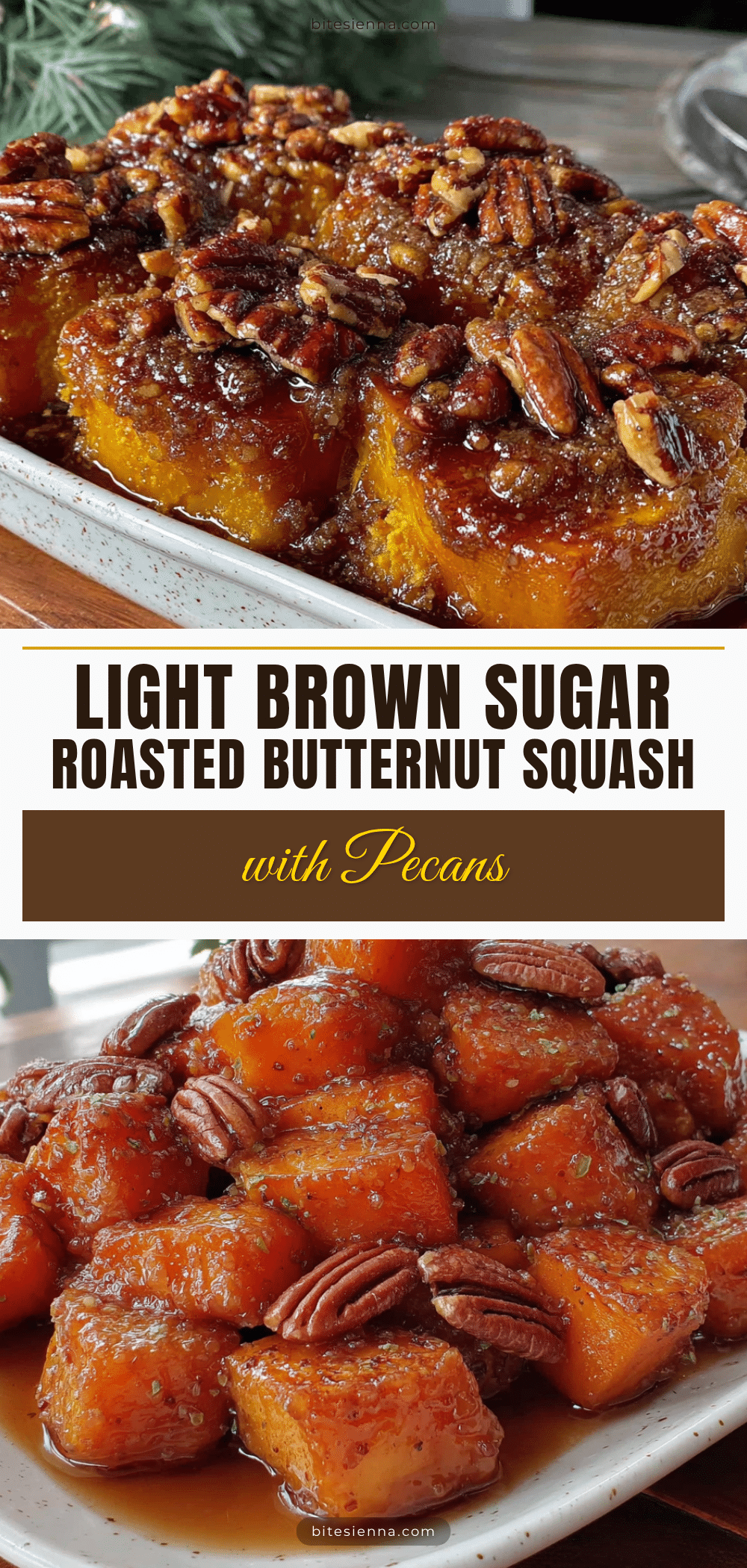
Light Brown Sugar Roasted Butternut Squash: Easy & Best Recipe
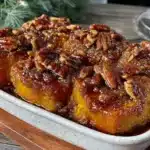
This Light Brown Sugar Roasted Butternut Squash with Pecans is a sweet and savory side dish that’s perfect for holidays or weeknight dinners. Caramelized squash and crunchy pecans are coated in a spiced brown sugar glaze for an unforgettable flavor.
- Prep Time: 10 minutes
- Cook Time: 30 minutes
- Total Time: 40 minutes
- Yield: 6 servings 1x
- Category: Side Dish
- Cuisine: American
Ingredients
- 1 medium butternut squash (about 2.5–3 lbs), peeled, seeded, and cut into 1-inch cubes
- 2 tablespoons olive oil
- ½ teaspoon fine sea salt
- ¼ teaspoon freshly ground black pepper
- 3 tablespoons unsalted butter, melted
- ¼ cup light brown sugar, packed
- 1 teaspoon pure vanilla extract
- ½ teaspoon ground cinnamon
- ¼ teaspoon ground nutmeg, freshly grated if possible
- ⅛ teaspoon cayenne pepper (optional)
- 1 tablespoon fresh thyme leaves, plus more for garnish
- ¾ cup pecan halves or pieces
- Flaky sea salt, for finishing
Instructions
- Preheat your oven to 400°F (200°C). Position a rack in the middle of the oven. Line a large rimmed baking sheet with parchment paper or a silicone mat.
- Prepare the squash: Using a sharp vegetable peeler, remove the skin from the butternut squash. Cut off the stem and base, then slice the squash in half where the narrow neck meets the bulbous bottom. Scoop out the seeds and stringy bits from the bottom half using a spoon. Cut both halves into 1-inch cubes. You should have about 5-6 cups of cubed squash.
- Par-roast the squash: Place the cubed squash on the prepared baking sheet. Drizzle with olive oil, sprinkle with salt and pepper, and toss to coat evenly. Spread the squash in a single, even layer. Roast for 15 minutes, until the squash is starting to soften but not fully cooked.
- Make the glaze: While the squash roasts, in a small bowl, whisk together the melted butter, light brown sugar, vanilla extract, cinnamon, nutmeg, cayenne (if using), and fresh thyme leaves until smooth.
- Glaze the squash: Remove the baking sheet from the oven. Using a spatula, gently toss the partially roasted squash with the brown sugar glaze until every piece is coated. Spread the squash back into a single layer.
- Add the pecans: Sprinkle the pecan halves or pieces evenly over the glazed squash. Gently toss to coat them in the glaze, then spread everything back into a single layer.
- Finish roasting: Return the baking sheet to the oven and roast for another 15-20 minutes, until the squash is fork-tender and the edges are deeply caramelized. Halfway through, use a spatula to flip the squash and pecans gently.
- Finish and serve: Remove the pan from the oven. Immediately sprinkle the roasted squash with flaky sea salt and a few extra fresh thyme leaves. Let it cool on the pan for 5 minutes before transferring to a serving dish.
Notes
Don’t skip the par-roast step—it prevents the sugar from burning. Keep an eye on the pecans as they can brown quickly. Use a light-colored, heavy-gauge baking sheet to avoid burning the sugar. Let the dish rest for 5 minutes after roasting to allow the glaze to set. For a vegan version, substitute butter with coconut oil and use maple syrup instead of brown sugar.
Nutrition
- Serving Size: 1/6 of recipe
- Calories: 280
- Sugar: 16
- Sodium: 300
- Fat: 18
- Saturated Fat: 6
- Carbohydrates: 30
- Fiber: 5
- Protein: 4
Keywords: roasted butternut squash, brown sugar butternut squash, butternut squash with pecans, easy side dish, holiday side dish, caramelized squash