There used to be a tiny farm-to-table place tucked away on a gravel road in upstate New York called The Gilded Beet. Every autumn, they served these perfect acorn squash halves that had this caramelized, almost candied edge, with a soft, buttery center that melted in your mouth. When they closed after the pandemic, I honestly felt a little lost. That squash was my seasonal ritual. After eight tries — some burnt, some watery, one that was just plain sad — I finally cracked the code. This is that exact dish, and I am so excited to share it with you.
It was a chilly Tuesday in late October when I finally got it right. The kitchen was a mess, I had brown sugar stuck to my elbow, and the timer had gone off five minutes ago. But when I pulled those squash halves out of the oven, the smell was unmistakable. That same sweet, nutty aroma that used to fill The Gilded Beet. I sliced a piece, let it cool for maybe thirty seconds (impatience, my old friend), and took a bite. It was like stepping back in time. The edges were perfectly caramelized, the inside was silky, and that little hint of cinnamon tied it all together.
Maybe you have a dish like that — one that reminds you of a specific place or moment. If you have been chasing a restaurant memory and coming up short, let me tell you, this recipe is the one. It is simple enough for a weeknight but special enough to serve at a holiday table. Honestly, I make it for myself on random Sundays now, just because.
This cozy brown sugar roasted acorn squash has become my signature fall dish. It is the kind of recipe that makes you slow down, breathe deep, and appreciate the small, sweet things in life. And once you try it, I think you will understand exactly why I kept going after those seven failed attempts.
Why You’ll Love This Recipe
Let me tell you why this cozy brown sugar roasted acorn squash has earned a permanent spot in my fall rotation. After testing this recipe more times than I care to admit, I can confidently say it delivers every single time.
- Quick & Easy: Comes together in under 45 minutes, with just 5 minutes of active prep. Perfect for those busy autumn evenings when you want something warm and comforting without the fuss.
- Simple Ingredients: You likely have everything in your kitchen right now. No fancy trips to specialty stores or hunting down obscure spices.
- Perfect for Fall Gatherings: Whether it is a cozy Thanksgiving dinner, a Friendsgiving potluck, or just a quiet Tuesday night, this dish fits right in.
- Crowd-Pleaser: I have served these to kids, picky eaters, and serious foodies, and they all go back for seconds. The sweet caramelized edges win everyone over.
- Unbelievably Delicious: The combination of brown sugar, butter, and warm spices creates a flavor that is next-level comfort food. You will close your eyes after the first bite, I promise.
What makes this version different from all the others? It is the technique. Most recipes tell you to just brush the squash with butter and sugar and call it a day. But I spent weeks perfecting the caramelization process, learning exactly when to add the brown sugar so it melts into the squash rather than just sliding off. The result is a perfectly glazed, tender squash with those irresistible crispy edges.
This recipe is not just good — it is the kind that makes you feel like you are wrapped in a warm blanket on a cool autumn evening. It is comfort food reimagined, with the same soul-soothing satisfaction but without any complicated steps. Perfect for impressing guests without stress, or turning a simple meal into something you will remember all winter long.
What Ingredients You Will Need
This recipe uses simple, wholesome ingredients to deliver that cozy, caramelized flavor and satisfying texture without any fuss. Most of these are probably already in your pantry, which makes this dish perfect for spontaneous fall cravings.
For the Squash
- 2 medium acorn squash (look for ones that feel heavy for their size, with firm, deep green skin)
- 4 tablespoons unsalted butter, melted (I prefer Kerrygold for its rich flavor, but any good butter works)
- 1/3 cup packed brown sugar (light or dark both work; dark gives a deeper molasses flavor)
- 1 teaspoon ground cinnamon
- 1/2 teaspoon ground nutmeg (freshly grated if you have it — it makes a difference)
- 1/4 teaspoon salt (a pinch of flaky sea salt at the end is lovely too)
Optional Garnishes
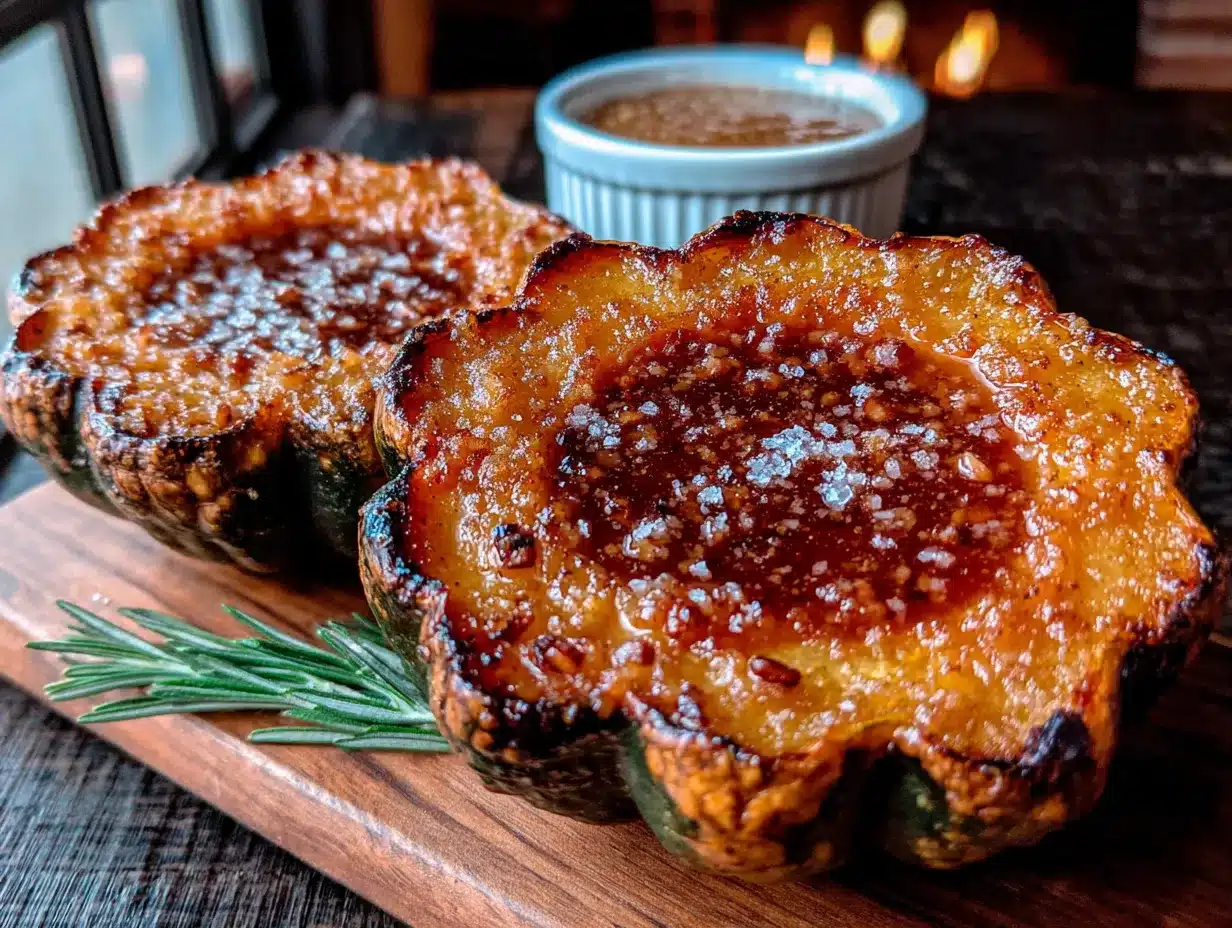
- Fresh thyme or rosemary sprigs (adds a lovely savory contrast)
- Crumbled goat cheese or feta (for a tangy finish)
- Toasted pecans or walnuts (adds crunch)
- Drizzle of maple syrup (if you want extra sweetness)
Ingredient Selection Tips: When choosing acorn squash, look for ones with a deep green color and a patch of orange on the side — that orange spot means it has ripened on the vine and will be sweeter. Avoid squash with soft spots or cracks. For the brown sugar, I recommend using fresh, soft brown sugar that hasn’t hardened. If yours is lumpy, just pop it in the microwave for 10 seconds with a damp paper towel on top to soften it up.
Substitution Guidance: If you are dairy-free, use coconut oil or a good vegan butter instead of regular butter. For a lower-sugar option, you can reduce the brown sugar to 1/4 cup or swap in coconut sugar. And if you do not have cinnamon and nutmeg on hand, a teaspoon of pumpkin pie spice works beautifully as a shortcut.
I have tested this recipe with both organic and conventional squash, and honestly, the flavor difference is minimal. The real magic happens in the roasting process, so do not stress about sourcing the perfect squash. Just grab whatever looks good at your local market.
Equipment Needed
You do not need much for this recipe, which is part of its beauty. Here is what I use:
- Sharp chef’s knife — A good 8-inch knife makes cutting through the squash much safer and easier. Trust me, a dull knife is dangerous with hard squash.
- Large baking sheet or roasting pan — I use a half-sheet pan with a rim to catch any caramelized juices. A rimmed pan is essential to prevent sticky messes in your oven.
- Parchment paper or silicone baking mat — This makes cleanup a breeze and prevents the sugar from sticking to the pan. I learned this the hard way after scrubbing a pan for twenty minutes.
- Pastry brush — For evenly brushing the butter mixture onto the squash. A silicone brush works best and is easy to clean.
- Small bowl — For mixing the brown sugar and spices together.
- Measuring spoons — Precision matters with the spices, especially the cinnamon and nutmeg.
Budget-Friendly Alternatives: If you do not have a pastry brush, just use a regular basting brush or even a paper towel folded into a square. No silicone mat? Parchment paper is cheap and works just as well. And if your knife is not super sharp, try microwaving the whole squash for 2 minutes to soften it slightly before cutting — it makes a world of difference.
I have tried making this with both a glass baking dish and a metal sheet pan, and the metal pan gives better caramelization because it heats more evenly. So if you have both options, go with the metal one.
Preparation Method
Let me walk you through this step by step. I have made this so many times that I have the process down to a science, and I will share every little trick I have learned along the way.
- Preheat your oven to 400°F (200°C). This temperature is the sweet spot — hot enough to caramelize the sugar but not so hot that the squash burns before it softens. While the oven heats, line your baking sheet with parchment paper or a silicone mat.
- Prepare the squash. Carefully cut each acorn squash in half from stem to tip. Scoop out the seeds and stringy pulp using a sturdy spoon. I use a grapefruit spoon with serrated edges for this, but a regular spoon works fine. Rinse the halves and pat them dry with a paper towel. Safety note: Acorn squash can be tough to cut. If you are struggling, microwave the whole squash for 2 minutes to soften it slightly, then let it cool before cutting.
- Mix the butter and spices. In a small bowl, combine the melted butter, brown sugar, cinnamon, nutmeg, and salt. Stir until the sugar is mostly dissolved and you have a thick, pasty mixture. It should smell like autumn in a bowl. If the mixture seems too thick, add another tablespoon of melted butter.
- Brush the mixture onto the squash. Place the squash halves cut-side up on your prepared baking sheet. Using your pastry brush, generously coat the cut sides and the cavity of each squash half with the butter-sugar mixture. Do not be shy here — pile it on. The edges should look well-coated. Pro tip: Reserve about a tablespoon of the mixture to brush on halfway through cooking.
- Roast for 35-40 minutes. Place the baking sheet in the preheated oven and roast for 20 minutes. After 20 minutes, remove the pan and brush the squash with the reserved butter mixture. This extra layer is the secret to those caramelized edges. Return to the oven and roast for another 15-20 minutes.
- Check for doneness. The squash is ready when you can easily pierce the flesh with a fork, and the edges are golden brown and caramelized. The sugar should be bubbling and slightly sticky. If the edges are browning too quickly but the squash is not yet tender, tent loosely with foil for the last 10 minutes.
- Let rest for 5 minutes. Remove from the oven and let the squash rest on the pan for 5 minutes. This allows the caramelized sugar to set slightly, making it easier to handle. The squash will continue to soften as it rests.
- Serve warm. Transfer to a serving platter, cut-side up. If desired, garnish with fresh thyme, crumbled cheese, or toasted nuts. The contrast of the sweet squash with the savory garnish is absolutely lovely.
Sensory Cues: At the 20-minute mark, your kitchen should smell like a bakery crossed with a harvest festival — warm, sweet, and slightly nutty. The squash should look glossy and the edges should be starting to brown. When it is fully done, the sugar will have formed a thin, crackly crust on the edges, and the flesh will be deep orange and tender.
I have burnt this squash exactly twice. The first time, I walked away to answer the phone. The second time, I got distracted by a movie. So learn from my mistakes: set a timer, and do not wander far. The last 10 minutes are crucial.
Cooking Tips & Techniques
After all those test batches, I have gathered some hard-won wisdom that will help you nail this recipe on your first try.
Don’t overcrowd the pan. Give each squash half some breathing room. If they are too close together, they will steam instead of roast, and you will miss out on that beautiful caramelization. I learned this the hard way when I tried to cram four halves onto one small pan.
Flip halfway through for even cooking. While I recommend brushing the squash with the butter mixture at the 20-minute mark, you can also flip the halves cut-side down for the last 10 minutes if you want extra caramelization on the flesh. Just be careful not to lose the sugar mixture.
Watch the sugar. Brown sugar can go from beautifully caramelized to burnt in about 60 seconds. Keep an eye on the squash during the last 10 minutes. If the sugar starts to look dark and smoking, pull the pan out immediately. Every oven runs a little differently, so trust your eyes over the timer.
Let it rest. I know it is tempting to dig in right away, but letting the squash rest for 5 minutes allows the caramelized sugar to set. If you serve it immediately, the sugar might slide right off. Patience pays off here.
Make extra. These squash halves reheat beautifully, so I always make at least one extra. They are amazing the next day chopped up and tossed into a salad or served alongside eggs for breakfast.
One time, I forgot to add the salt to the butter mixture, and the squash tasted flat. Salt is not just for savory dishes — it balances the sweetness and makes the flavors pop. Do not skip it.
Variations & Adaptations
This recipe is wonderfully flexible. Here are some variations I have tried and loved:
Savory-Sweet Version
Skip the cinnamon and nutmeg and instead add 1/2 teaspoon of smoked paprika and a pinch of cayenne pepper to the butter mixture. Finish with a sprinkle of flaky sea salt and fresh thyme. This version is incredible alongside roasted chicken or pork.
Vegan Adaptation
Use melted coconut oil or vegan butter instead of regular butter. The coconut oil adds a subtle tropical note that pairs surprisingly well with the brown sugar. I have made this for vegan friends multiple times, and they always ask for the recipe.
Maple-Bourbon Twist
Replace half the brown sugar with maple syrup and add 1 tablespoon of bourbon to the butter mixture. The bourbon adds a warm, smoky depth that is perfect for holiday dinners. Just be careful — the alcohol will cook off, leaving only the flavor.
Low-Sugar Option
Reduce the brown sugar to 2 tablespoons and add 1 tablespoon of monk fruit sweetener or stevia. The squash itself has natural sweetness, so you do not need much added sugar. This version is still delicious, just less decadent.
Spiced Chai Version
Add 1/2 teaspoon of cardamom and 1/4 teaspoon of ground ginger to the spice mix. This gives the squash a chai tea-inspired flavor that is absolutely lovely on a cold evening. I discovered this combination by accident when I ran out of cinnamon and had to improvise.
Serving & Storage Suggestions
Serving: Serve these acorn squash halves warm, cut-side up, with any extra caramelized juices from the pan spooned over the top. They make a stunning side dish for Thanksgiving, a cozy dinner alongside roasted chicken or pork chops, or even a vegetarian main course when paired with a grain salad. I love serving them with a sprinkle of fresh thyme and a dollop of crème fraîche for a touch of elegance.
Complementary Dishes: These squash pair beautifully with roasted Brussels sprouts, a simple green salad with vinaigrette, or a warm quinoa pilaf. For a full fall meal, serve alongside maple glazed roasted chicken or savory herb stuffed pork loin. The sweetness of the squash balances perfectly with savory proteins.
Storage: Leftover squash halves can be stored in an airtight container in the refrigerator for up to 4 days. The flavors actually deepen and meld together overnight, making leftovers almost better than the original.
Reheating: To reheat, place the squash halves cut-side up on a baking sheet and warm in a 350°F (175°C) oven for 10-15 minutes, or until heated through. You can also microwave individual portions for 1-2 minutes, though the edges will not be as crispy. If you have an air fryer, reheat at 350°F for 5 minutes for perfectly crispy edges.
Freezing: These squash halves freeze surprisingly well. Let them cool completely, then wrap each half tightly in plastic wrap and place in a freezer bag. They will keep for up to 3 months. Thaw in the refrigerator overnight before reheating.
Nutritional Information & Benefits
Here is the approximate nutritional breakdown for one half of an acorn squash (with butter and brown sugar):
- Calories: 220
- Total Fat: 12g
- Saturated Fat: 7g
- Carbohydrates: 30g
- Fiber: 4g
- Sugar: 18g
- Protein: 3g
- Vitamin A: 25% Daily Value
- Vitamin C: 30% Daily Value
- Potassium: 15% Daily Value
Health Benefits: Acorn squash is a nutritional powerhouse. It is packed with vitamin A (from beta-carotene) for eye health, vitamin C for immune support, and fiber for digestive health. The potassium content helps regulate blood pressure, and the antioxidants in the squash fight inflammation. Even with the added butter and sugar, this dish is far healthier than most comfort food options.
Dietary Considerations: This recipe is naturally gluten-free and nut-free (if you skip the pecan garnish). For a dairy-free version, use coconut oil. For a lower-sugar option, reduce the brown sugar as noted in the variations section. The squash itself is low in calories and high in nutrients, making this a smart choice for anyone watching their health.
I personally love that this dish feels indulgent but is actually quite good for you. It is the kind of recipe that satisfies your sweet tooth while nourishing your body — the best of both worlds.
Conclusion
This cozy brown sugar roasted acorn squash is more than just a recipe to me. It is a memory made edible, a little piece of autumn that I can recreate anytime I want. After those eight tries and countless burnt edges, I finally have a version that rivals that long-gone restaurant, and I am so happy to share it with you.
What I love most about this dish is how simple it is. With just a handful of ingredients and a little patience, you can create something that tastes like you spent hours in the kitchen. It is the kind of recipe that makes you look like a hero at dinner parties but is easy enough for a quiet weeknight.
I would love to hear how this turns out for you. Did you try any of the variations? Did you discover a new favorite garnish? Drop a comment below and let me know. And if you share a photo on Instagram, tag me — I love seeing your creations. Until next time, happy cooking, and may your kitchen always smell like warm spices and butter.
Frequently Asked Questions
Can I use butternut squash instead of acorn squash?
Yes, absolutely! Butternut squash works well, though it will need a slightly longer roasting time (about 45-50 minutes) since it is denser. Cut it into similar-sized pieces for even cooking. The flavor will be slightly sweeter and nuttier than acorn squash.
Do I need to peel the squash before roasting?
Not at all! The skin of acorn squash is edible and becomes tender when roasted. In fact, leaving the skin on helps the squash hold its shape and makes serving easier. Some people even enjoy the slightly chewy texture of the roasted skin.
Can I make this recipe ahead of time?
Yes, you can prepare the squash halves up to the point of roasting. Store them in the refrigerator for up to 24 hours, then brush with the butter mixture and roast as directed. You may need to add 5-10 minutes to the cooking time since the squash will be cold.
Why is my squash watery instead of caramelized?
This usually happens if the squash is overcrowded on the pan or if the oven temperature is too low. Make sure your oven is fully preheated to 400°F, and give each squash half plenty of space. If there is too much moisture, try patting the squash dry with paper towels before adding the butter mixture.
Can I freeze the roasted squash?
Yes! Let the squash cool completely, then wrap each half tightly in plastic wrap and place in a freezer bag. They will keep for up to 3 months. To reheat, thaw in the refrigerator overnight and warm in a 350°F oven for 10-15 minutes. The texture will be slightly softer but still delicious.
Pin This Recipe!
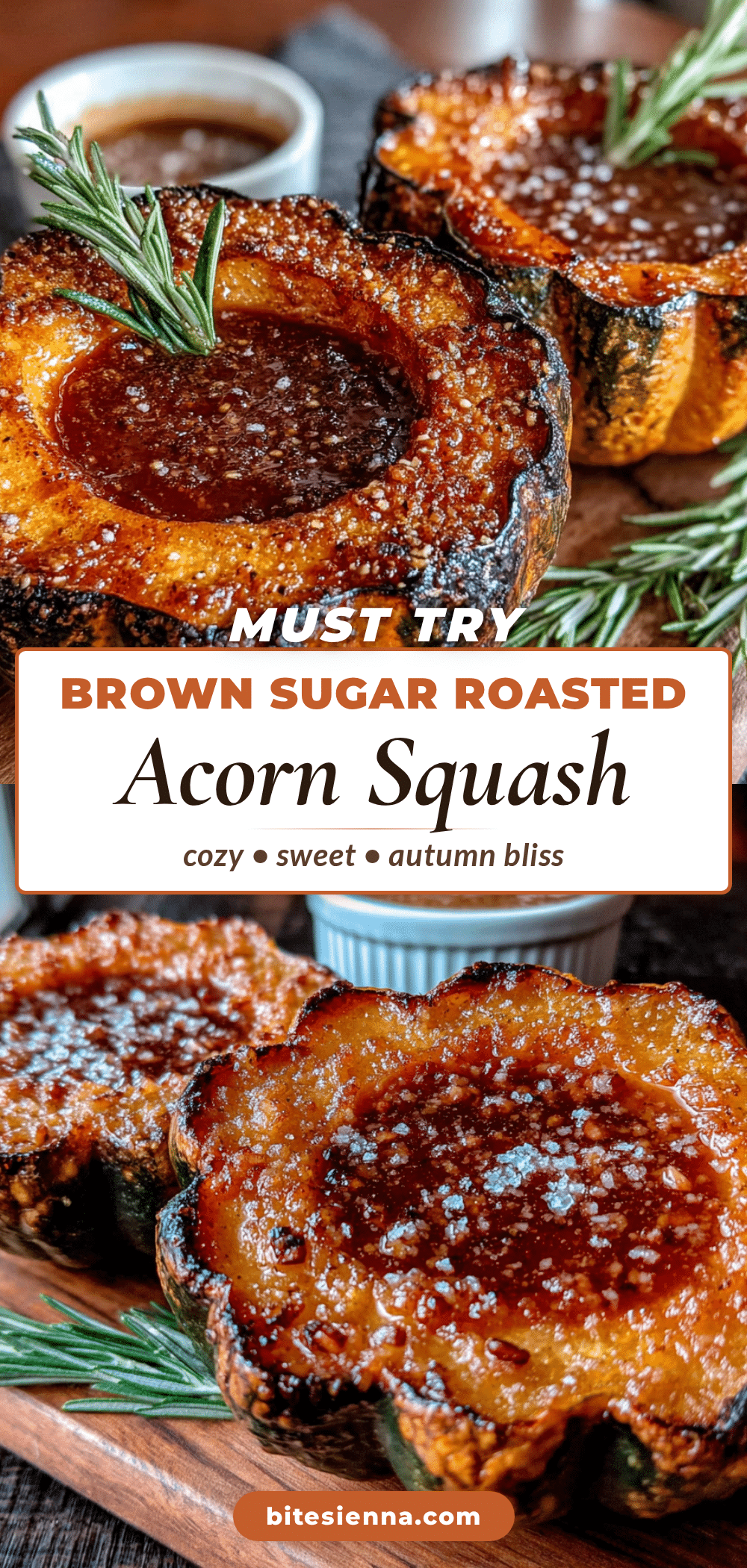
Cozy Brown Sugar Roasted Acorn Squash Halves
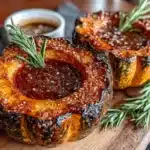
Perfectly caramelized acorn squash halves with a soft, buttery center, inspired by a beloved farm-to-table restaurant. This easy recipe delivers sweet, nutty flavor with crispy edges in under 45 minutes.
- Prep Time: 5 minutes
- Cook Time: 35-40 minutes
- Total Time: 40-45 minutes
- Yield: 4 servings 1x
- Category: Side Dish
- Cuisine: American
Ingredients
- 2 medium acorn squash
- 4 tablespoons unsalted butter, melted
- 1/3 cup packed brown sugar
- 1 teaspoon ground cinnamon
- 1/2 teaspoon ground nutmeg
- 1/4 teaspoon salt
- Fresh thyme or rosemary sprigs (optional garnish)
- Crumbled goat cheese or feta (optional garnish)
- Toasted pecans or walnuts (optional garnish)
- Drizzle of maple syrup (optional garnish)
Instructions
- Preheat your oven to 400°F (200°C). Line a baking sheet with parchment paper or a silicone mat.
- Carefully cut each acorn squash in half from stem to tip. Scoop out the seeds and stringy pulp. Rinse the halves and pat them dry.
- In a small bowl, combine the melted butter, brown sugar, cinnamon, nutmeg, and salt. Stir until the sugar is mostly dissolved into a thick, pasty mixture.
- Place the squash halves cut-side up on the prepared baking sheet. Using a pastry brush, generously coat the cut sides and cavity with the butter-sugar mixture. Reserve about 1 tablespoon for later.
- Roast for 20 minutes. Remove the pan and brush the squash with the reserved butter mixture. Return to the oven and roast for another 15-20 minutes, until the squash is tender and the edges are golden brown and caramelized.
- Remove from the oven and let rest on the pan for 5 minutes.
- Serve warm, cut-side up, with optional garnishes like fresh thyme, crumbled cheese, or toasted nuts.
Notes
For easier cutting, microwave the whole squash for 2 minutes to soften slightly. Don’t overcrowd the pan; give each half space for proper caramelization. Watch the sugar during the last 10 minutes to prevent burning. Let rest 5 minutes before serving to allow caramelized sugar to set. Leftovers keep in the fridge for up to 4 days and reheat well in a 350°F oven for 10-15 minutes.
Nutrition
- Serving Size: 1 squash half
- Calories: 220
- Sugar: 18
- Sodium: 150
- Fat: 12
- Saturated Fat: 7
- Carbohydrates: 30
- Fiber: 4
- Protein: 3
Keywords: acorn squash, roasted squash, brown sugar squash, fall side dish, Thanksgiving side, caramelized squash, easy squash recipe