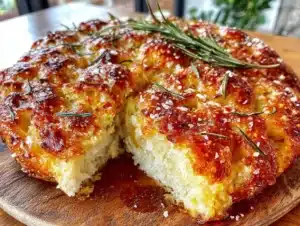
I was standing in line at the hardware store, of all places, holding a new showerhead and trying to remember if I needed plumber’s tape, when the man behind me—a retiree in a flannel shirt with a name tag that said “Gus”—started talking about bread. Not small talk about the weather. He was describing, in vivid detail, the focaccia his wife had made the night before. “She uses the sourdough discard,” he said, shaking his head like it was the most obvious thing in the world. “Takes her twenty minutes of actual work. Twenty minutes!” I nodded along, clutching my showerhead, genuinely surprised that my best recipe lead of the year was coming from aisle four of a hardware store.
Gus told me his wife, a retired schoolteacher named Carol, had been perfecting this recipe for years. She’d scribbled it on the back of an old receipt, and he’d memorized the proportions just from watching her. “The trick,” he said, leaning in conspiratorially, “is the parmesan. It gets all crispy on the bottom. Drives me crazy.” I thanked him, bought my plumber’s tape, and went home to try it that very night. Honestly, I was skeptical—twenty minutes of work for focaccia that good? But let me tell you, Carol knew what she was doing. This quick rosemary parmesan sourdough focaccia has become my weeknight hero. It’s the kind of bread that makes you feel like you spent hours in the kitchen when you really just… didn’t.
The first time I made it, I forgot to set a timer and the top got a little too dark. But you know what? It was still incredible. That salty, buttery edge from the parmesan, the fragrant rosemary, the chewy sourdough crumb—it was love at first bite. Maybe you’ve been there, staring at your sourdough discard wondering what to do with it, or craving fresh bread but not having three hours to spare. This recipe is for you. It’s for the tired nights, the busy weeknights, the “I need something good on the table fast” nights. And it all started with a man named Gus in a hardware store.
Why You’ll Love This Recipe
Let me be straight with you—this isn’t just another focaccia recipe. I’ve tested this one at least a dozen times, tweaking the hydration, the salt level, the baking temperature. Carol’s original was good, but I’ve made it my own, and I’m confident this version is the best you’ll find for a weeknight. Here’s why you’re going to love it:
- Quick & Easy: We’re talking 20 minutes of active prep time. No kneading, no complicated folding, no waiting for a double rise. Mix, spread, top, and bake. That’s it.
- Simple Ingredients: You probably have everything already. Sourdough discard, flour, olive oil, rosemary, parmesan. No trips to a specialty store, no weird ingredients you’ll never use again.
- Perfect for Weeknights: This is the bread you make when you’re tired, hungry, and need something to go with soup, salad, or pasta. It’s on the table in under an hour from start to finish.
- Crowd-Pleaser: I’ve brought this to potlucks, served it at dinner parties, and made it for my picky kids. It disappears every single time. The crispy parmesan crust is irresistible.
- Unbelievably Delicious: The combination of tangy sourdough, fragrant rosemary, and salty, crunchy parmesan is next-level. It’s comfort food that feels special without the fuss.
What makes this recipe different from the rest? It’s the technique. Instead of a traditional wet, sticky focaccia dough that requires patience and skill, this uses a stiff batter-like consistency that you spread directly into the pan. No stretching, no worrying about tearing. And the parmesan isn’t just sprinkled on top—it’s layered on the bottom of the pan first, creating a crispy, golden crust that will ruin you for all other focaccias. This isn’t just another version; it’s my best version, tested and perfected for busy people who still want real, homemade bread.
This recipe is the kind that makes you close your eyes after the first bite. It’s comfort food reimagined—faster, simpler, but with the same soul-soothing satisfaction. Perfect for impressing unexpected guests without stress, or turning a simple weeknight dinner into something memorable.
What Ingredients You Will Need
This quick rosemary parmesan sourdough focaccia uses simple, wholesome ingredients to deliver bold flavor and satisfying texture without the fuss. Most of these are pantry staples, and the ones that aren’t are easy to find and worth keeping on hand.
- Sourdough discard (1 cup, 240g): This is the star of the show. Use unfed discard straight from the fridge. It adds that signature tangy flavor and helps with the texture. If you don’t have discard, you can use active sourdough starter, but the flavor will be milder. I personally keep a jar of discard in my fridge just for this recipe.
- All-purpose flour (2 cups, 260g): Regular all-purpose flour works perfectly. It gives the focaccia a tender crumb without being too chewy. Bread flour will work too, but the texture will be slightly denser and chewier.
- Warm water (1/2 cup, 120ml): The water should be warm to the touch, about 100°F (38°C). Not hot—you don’t want to kill any of the good bacteria in the sourdough. If your kitchen is cold, use warmer water to help the dough come together.
- Olive oil (1/4 cup, 60ml, plus more for the pan): Use a good quality extra virgin olive oil here. It’s not just for the pan—it goes into the dough too, adding richness and helping create that crispy bottom. I recommend a brand like California Olive Ranch for consistent quality.
- Fresh rosemary (2 tablespoons, chopped): Fresh is non-negotiable here. Dried rosemary just doesn’t have the same punch. Strip the leaves from the woody stems and chop them finely. If you’re using dried, use half the amount and crush it between your fingers to release the oils.
- Parmesan cheese (1/2 cup, 50g, finely grated): This is the magic ingredient. Use real parmesan—Parmigiano-Reggiano if you can swing it. Pre-shredded stuff won’t melt the same way. Grate it finely so it creates that crispy, lacy crust on the bottom. (Pro tip: grate it on a microplane for the best texture.)
- Salt (1 teaspoon, 6g): Use fine sea salt or kosher salt. If you’re using table salt, reduce it slightly to 3/4 teaspoon. Salt is crucial here—it balances the tang of the sourdough and brings out the flavor of the rosemary.
- Flaky sea salt (for finishing): This is optional but highly recommended. A sprinkle of flaky salt on top before baking adds a beautiful crunch and a burst of salty flavor. Maldon is my go-to.
Substitution Guidance: For a gluten-free option, use a 1:1 gluten-free baking flour blend. The texture will be a bit different—more cake-like—but still delicious. For a dairy-free version, use a high-quality nutritional yeast in place of the parmesan (about 3 tablespoons). It won’t get as crispy, but it adds a lovely cheesy flavor. If you don’t have sourdough discard, you can make a quick version by mixing 1/2 cup flour, 1/2 cup water, and a pinch of yeast and letting it sit for 2-3 hours until bubbly. Not quite the same, but it works in a pinch.
Equipment Needed
You don’t need a lot of fancy equipment for this recipe, which is part of its beauty. Here’s what you’ll need:
- 9×13-inch baking pan: This is the ideal size for this focaccia. A metal pan works best—it conducts heat well and helps create that crispy bottom. Glass or ceramic will work, but the bottom won’t get as golden. I’ve used the same battered metal pan for years, and it’s perfect.
- Mixing bowl: Any medium-sized bowl will do. I use a glass bowl because I like to see the ingredients coming together.
- Wooden spoon or spatula: Something sturdy to mix the stiff batter. A silicone spatula works great too.
- Measuring cups and spoons: For accuracy. I recommend using a kitchen scale for the flour and sourdough discard if you have one—it’s more precise and gives consistent results.
- Bench scraper or offset spatula: This helps spread the sticky dough in the pan. You can use your fingers too, but it’s messier. A bench scraper is a cheap, handy tool to have.
- Kitchen towel or plastic wrap: For covering the dough while it rests. A clean kitchen towel works perfectly and is more eco-friendly.
If you don’t have a 9×13 pan, you can use a 10-inch cast iron skillet or an 8×8 square pan. The focaccia will be thicker in a smaller pan and will need a few extra minutes of baking time. I’ve also used a round cake pan in a pinch—it works fine, just adjust the baking time. For budget-friendly options, check thrift stores for metal baking pans. I found my favorite one for two dollars.
Preparation Method
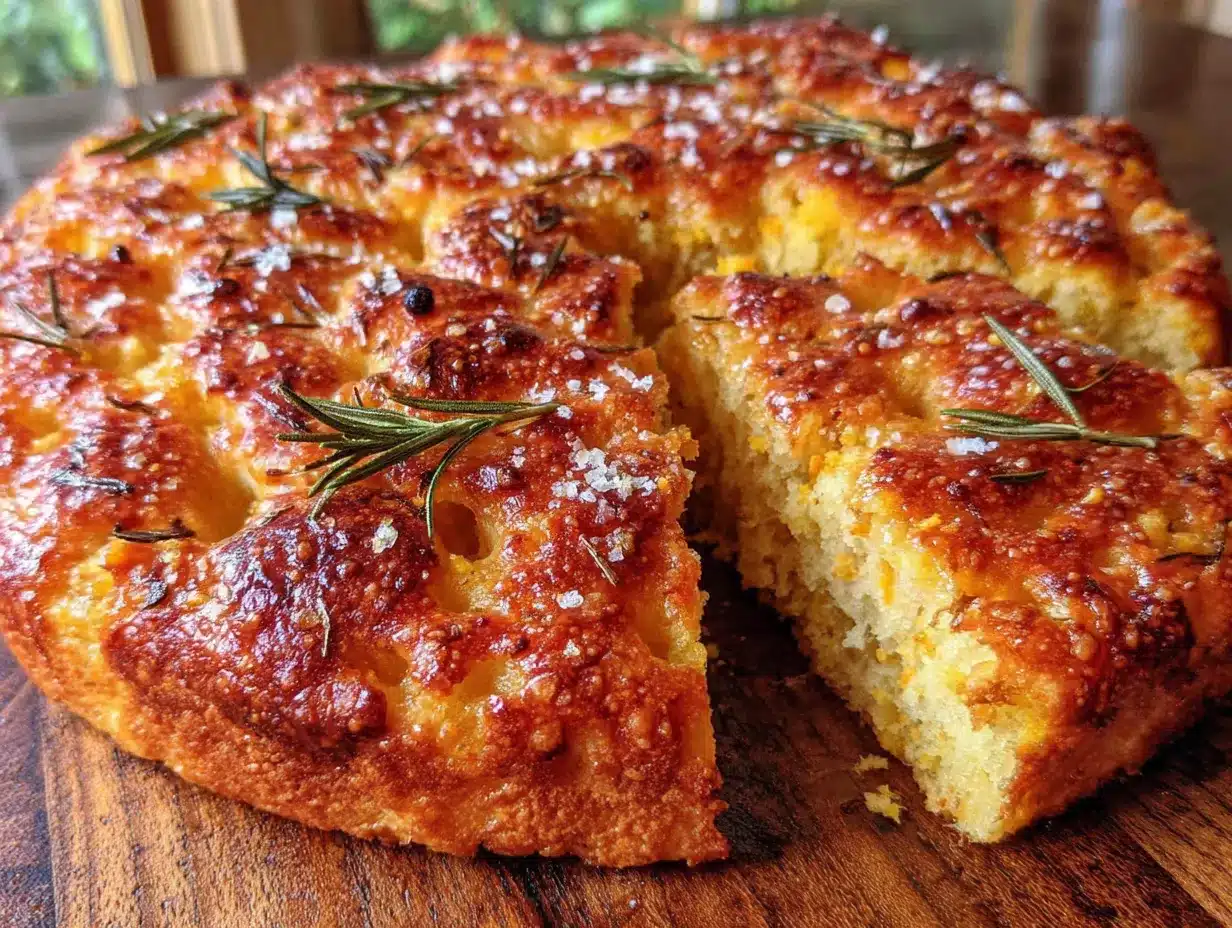
This is where the magic happens. Follow these steps, and you’ll have the best quick rosemary parmesan sourdough focaccia of your life. Trust me on this.
- Preheat your oven to 425°F (220°C). Place a rack in the middle position. Getting the oven hot is crucial for that crispy bottom. While it’s heating, pour about 2 tablespoons of olive oil into your 9×13 pan and spread it around to coat the bottom and sides evenly. Don’t skimp—this oil helps create that golden crust.
- Sprinkle the grated parmesan evenly over the bottom of the oiled pan. Yes, you read that right—the cheese goes on the bottom. This is Carol’s genius trick. As the focaccia bakes, the parmesan melts and crisps up, creating a salty, cheesy crust that’s absolutely addictive. Make sure it’s in an even layer.
- In a large mixing bowl, combine the sourdough discard, warm water, 2 tablespoons of olive oil, and salt. Stir with a wooden spoon until everything is well combined. The mixture will look a bit lumpy at first—that’s fine. Just keep stirring until it’s smooth.
- Add the all-purpose flour and chopped rosemary. Stir until a stiff, shaggy dough forms. It will be thick and sticky, not like a traditional bread dough. Don’t overmix—just stir until the flour is incorporated and no dry patches remain. A few lumps are okay.
- Transfer the dough to the prepared pan. It will be sticky, so use a bench scraper or silicone spatula to scrape it all out. Drizzle a little olive oil on top of the dough (about 1 tablespoon) and use your fingers or the spatula to spread it evenly to the edges of the pan. The oil on your fingers will help prevent sticking.
- Let the dough rest for 10 minutes. Cover the pan loosely with a kitchen towel or plastic wrap. This short rest allows the gluten to relax and the flour to fully hydrate. Don’t skip this step—it makes a difference in the final texture.
- After the rest, dimple the dough. Using your fingertips, press deep dimples all over the surface of the dough. Don’t be shy—really push down until you feel the bottom of the pan. This isn’t just for looks; the dimples hold pools of olive oil and create those signature focaccia nooks and crannies. If the dough springs back, let it rest another 5 minutes and try again.
- Drizzle with more olive oil and sprinkle with flaky sea salt. Be generous with the oil—it helps the top get golden and crispy. Add a few extra rosemary sprigs on top if you’re feeling fancy.
- Bake for 20-25 minutes, until golden brown and puffed. The edges should be deeply golden, and the parmesan on the bottom should be bubbling and crispy. If you’re not sure, lift an edge with a spatula and peek—the bottom should be a beautiful golden brown.
- Let it cool in the pan for 5 minutes, then transfer to a wire rack. This is important—if you leave it in the pan too long, the bottom will get soggy from the steam. After 5 minutes, run a spatula around the edges and carefully lift it out. The parmesan crust should be intact and gorgeous.
- Slice and serve warm. Use a serrated knife or a pizza cutter for clean slices. The focaccia is best the day it’s made, but it’s still amazing the next day (more on that in the storage section).
Troubleshooting Tip: If your dough feels too dry and won’t spread easily, add a tablespoon of warm water. If it’s too wet and sticky, add a tablespoon of flour. The consistency should be like a thick, sticky batter—not pourable, but spreadable. Also, if your focaccia isn’t browning on top after 20 minutes, move it to the top rack for the last 5 minutes of baking.
Cooking Tips & Techniques
I’ve made this quick rosemary parmesan sourdough focaccia more times than I can count, and I’ve learned a few things along the way. Here are my best tips to make sure yours turns out perfect every time.
Don’t skip the oil. I know it seems like a lot, but olive oil is essential for the texture and flavor. It helps create a crispy crust, keeps the inside tender, and carries the flavor of the rosemary. If you’re watching calories, you can reduce it slightly, but honestly, this isn’t the recipe to diet on. Let yourself have the good stuff.
Use room temperature ingredients. If your sourdough discard is straight from the fridge, the cold temperature can make the dough harder to spread. Let it sit on the counter for 15-20 minutes before mixing. Same with the water—make sure it’s warm, not cold. This helps everything come together smoothly.
Don’t overmix the dough. I made this mistake the first few times. Overmixing develops too much gluten, making the focaccia tough instead of tender. Just stir until the flour is incorporated. A few lumps are fine—they’ll disappear during the rest and baking.
The dimpling is crucial. I cannot stress this enough. Those deep dimples aren’t just decorative. They create pockets that fill with olive oil during baking, giving you those irresistible crispy, oily bits. If you don’t dimple deeply enough, the focaccia will be flat and dry. Push until you feel the bottom of the pan.
Let it rest before slicing. I know it’s tempting to cut into it right away, but letting it cool for at least 5-10 minutes allows the structure to set. If you slice too early, the inside will be gummy and the parmesan crust might stick to the pan. Patience, my friend.
One mistake I still make: Forgetting to check the bottom. The top can look perfectly golden while the bottom is still pale. Always lift an edge with a spatula before pulling it out of the oven. The bottom should be a deep golden brown with crispy parmesan edges. If it’s not there yet, give it another 2-3 minutes.
Variations & Adaptations
This recipe is wonderfully versatile. Here are some of my favorite ways to change it up, depending on what I have on hand or what I’m craving.
Herb & Garlic: Skip the rosemary and add 2 teaspoons of dried oregano or thyme, plus 2 minced garlic cloves mixed into the dough. The garlic gets sweet and mellow as it bakes. I love this version with pasta dishes.
Everything Bagel: Before baking, sprinkle the top with everything bagel seasoning (sesame seeds, poppy seeds, dried garlic, dried onion, and salt). It’s incredible for breakfast or alongside a bowl of soup. My kids go crazy for this version.
Cheese Lover’s: In addition to the parmesan on the bottom, sprinkle 1/2 cup of shredded mozzarella or provolone on top during the last 5 minutes of baking. It gets all bubbly and golden. Just keep an eye on it so it doesn’t burn.
Gluten-Free Adaptation: Use a 1:1 gluten-free flour blend. The dough will be a bit softer and more batter-like. You might need to add an extra tablespoon of water. The texture is more cakey than traditional focaccia, but it’s still delicious and satisfying.
Vegan Version: Replace the parmesan with 3 tablespoons of nutritional yeast mixed with 1 tablespoon of cornstarch. Sprinkle it on the bottom of the pan just like you would with parmesan. It won’t get quite as crispy, but the flavor is surprisingly cheesy and delicious.
Seasonal Twist: In the summer, add fresh cherry tomatoes halved and pressed into the top of the dough before baking. In the fall, try adding caramelized onions and a sprinkle of thyme. The possibilities are endless.
Serving & Storage Suggestions
This quick rosemary parmesan sourdough focaccia is best served warm, straight from the oven. The contrast between the crispy parmesan bottom, the tender crumb, and the fragrant rosemary is at its peak when it’s fresh. But let’s be real—it’s still amazing at room temperature.
Serving Ideas: Slice it into squares or rectangles and serve alongside a bowl of tomato soup, a big green salad, or a hearty pasta like spaghetti aglio e olio. It’s also fantastic as a sandwich bread—slice it horizontally and fill with roasted vegetables, pesto, and fresh mozzarella. For breakfast, toast a slice and top it with a fried egg. Honestly, it’s good with just about anything.
Storage: Store leftover focaccia in an airtight container at room temperature for up to 2 days. Do not refrigerate—the fridge will dry it out and make the texture stale. If you need to keep it longer, wrap it tightly in plastic wrap and then aluminum foil and freeze for up to 3 months.
Reheating: The best way to reheat focaccia is in a 350°F (175°C) oven for 5-7 minutes. This brings back the crispy crust and warms the inside perfectly. You can also toast it in a skillet with a little olive oil for a few minutes per side. Avoid the microwave—it will make the focaccia soggy and rubbery.
Flavor Development: Interestingly, the flavor of this focaccia actually improves after a day. The sourdough tang becomes more pronounced, and the rosemary infuses deeper into the crumb. If you can resist eating it all on day one, you’re in for a treat on day two.
Nutritional Information & Benefits
While this focaccia is definitely a treat, it does have some redeeming qualities. Here’s a rough estimate of the nutritional information per serving (based on 8 servings):
| Nutrient | Amount per Serving |
|---|---|
| Calories | 220 |
| Total Fat | 10g |
| Saturated Fat | 2.5g |
| Carbohydrates | 27g |
| Fiber | 1g |
| Protein | 6g |
| Sodium | 380mg |
Health Benefits: Sourdough is easier to digest than regular bread because the fermentation process breaks down some of the gluten and phytic acid. This means your body can absorb more of the nutrients from the flour. Rosemary is rich in antioxidants and has anti-inflammatory properties. Olive oil provides healthy monounsaturated fats, which are good for heart health. And parmesan is a good source of calcium and protein.
Dietary Considerations: This recipe is vegetarian. For a gluten-free option, use a gluten-free flour blend. For a vegan option, use nutritional yeast instead of parmesan. It contains dairy (parmesan) and gluten (wheat flour).
Personal Wellness Perspective: I believe in balance. This focaccia isn’t health food, but it’s made with real, wholesome ingredients. It’s the kind of bread that nourishes more than just your body—it feeds your soul. And honestly, sharing a warm slice with people you love is good for your mental health too.
Conclusion
This quick rosemary parmesan sourdough focaccia has become a staple in my kitchen, and I hope it becomes one in yours too. It’s proof that you don’t need hours of time or years of experience to make incredible homemade bread. With just 20 minutes of active work and a handful of simple ingredients, you can have a golden, crispy, fragrant focaccia that tastes like it came from a fancy bakery.
I love this recipe because it’s forgiving, adaptable, and always delivers. It’s the bread I make when I’m tired, when I’m rushed, when I need something good on the table fast. And every time I make it, I think of Gus and Carol from the hardware store. Who knew that a random conversation in aisle four would lead to one of my most-loved recipes?
Now it’s your turn. Give this recipe a try, and don’t be afraid to make it your own. Add your favorite herbs, swap in different cheeses, or top it with whatever vegetables you have on hand. I’d love to hear how it turns out—leave a comment below and let me know your favorite variation. And if you loved this recipe, share it with a friend who needs a little homemade bread in their life.
Happy baking, my friend. You’ve got this.
Frequently Asked Questions
Can I use active sourdough starter instead of discard?
Yes, you can. The texture will be slightly different—the focaccia will be a bit puffier and lighter since the starter is active. The flavor will also be milder, less tangy. If you use active starter, you can reduce the rest time by 5 minutes since the dough will already be bubbly.
Why did my focaccia turn out dense and heavy?
This usually happens for one of two reasons: either the dough was overmixed, or it didn’t get enough olive oil. Overmixing develops too much gluten, making the bread tough. And without enough oil, the focaccia won’t have that light, airy texture. Make sure you’re using the full amount of oil and only mixing until the flour is incorporated.
Can I make this ahead of time?
Absolutely. You can prepare the dough up to the dimpling step, cover it, and refrigerate it for up to 8 hours. When you’re ready to bake, let it sit at room temperature for 15 minutes, then proceed with dimpling, oiling, and baking. The flavor actually gets better with a longer rest.
My parmesan crust stuck to the pan. What went wrong?
This can happen if the pan wasn’t oiled enough or if you let the focaccia cool completely in the pan. Make sure you use at least 2 tablespoons of olive oil in the pan, and spread it evenly. Also, don’t leave the baked focaccia in the pan for more than 5-10 minutes—the steam will make the crust stick.
Can I freeze this focaccia?
Yes! It freezes beautifully. Cool the focaccia completely, then wrap it tightly in plastic wrap and then aluminum foil. Freeze for up to 3 months. To reheat, thaw at room temperature, then warm in a 350°F oven for 5-7 minutes. The parmesan crust will be just as crispy as the day you baked it.
Pin This Recipe!
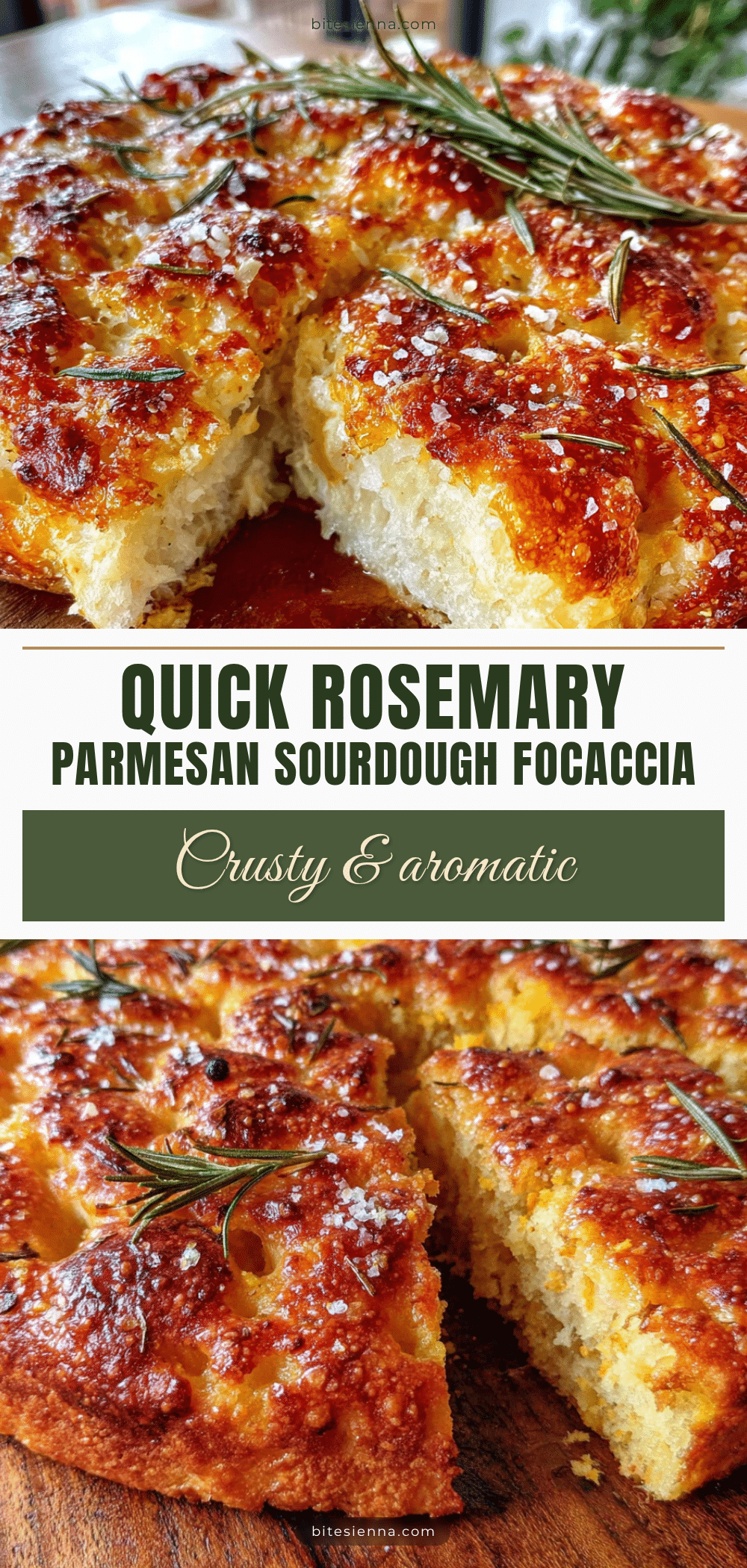
Easy 20-Minute Rosemary Parmesan Sourdough Focaccia
A quick and easy sourdough focaccia with a crispy parmesan crust and fragrant rosemary, ready in under an hour with just 20 minutes of active prep.
- Prep Time: 20 minutes
- Cook Time: 25 minutes
- Total Time: 45 minutes
- Yield: 8 servings 1x
- Category: Bread
- Cuisine: Italian
Ingredients
- 1 cup (240g) sourdough discard
- 2 cups (260g) all-purpose flour
- 1/2 cup (120ml) warm water (about 100°F/38°C)
- 1/4 cup (60ml) olive oil, plus more for the pan
- 2 tablespoons fresh rosemary, chopped
- 1/2 cup (50g) finely grated Parmesan cheese
- 1 teaspoon (6g) fine sea salt or kosher salt
- Flaky sea salt for finishing (optional)
Instructions
- Preheat oven to 425°F (220°C). Coat a 9×13-inch baking pan with 2 tablespoons olive oil.
- Sprinkle grated Parmesan evenly over the bottom of the oiled pan.
- In a large bowl, combine sourdough discard, warm water, 2 tablespoons olive oil, and salt. Stir until smooth.
- Add flour and chopped rosemary; stir until a stiff, shaggy dough forms. Do not overmix.
- Transfer dough to prepared pan. Drizzle with 1 tablespoon olive oil and spread evenly to edges.
- Cover loosely with a towel or plastic wrap and let rest for 10 minutes.
- After rest, use fingertips to press deep dimples all over the dough, pushing to the bottom of the pan.
- Drizzle with more olive oil and sprinkle with flaky sea salt. Add extra rosemary sprigs if desired.
- Bake for 20-25 minutes until golden brown and puffed. Check bottom for deep golden color.
- Cool in pan for 5 minutes, then transfer to a wire rack.
- Slice and serve warm.
Notes
For best results, use room temperature ingredients. Do not overmix. Dimple deeply for crispy oil pockets. Let cool before slicing to avoid gumminess. Store at room temperature for up to 2 days or freeze for up to 3 months.
Nutrition
- Serving Size: 1 slice (1/8 of reci
- Calories: 220
- Sodium: 380
- Fat: 10
- Saturated Fat: 2.5
- Carbohydrates: 27
- Fiber: 1
- Protein: 6
Keywords: sourdough focaccia, rosemary parmesan focaccia, quick focaccia, easy focaccia, sourdough discard recipe