It was 11:47 PM on a random Wednesday, and I had a serious hankering for something savory-sweet with a good sear. I didn’t have the fancy chops from the butcher shop that I normally reach for when company’s coming, but I had a pack of standard bone-in pork chops from the grocery run and a half-empty jug of apple cider in the fridge. My brain, half-asleep and fully impulsive, whispered, “What if you just… made that work?” So I did. I pulled out my heaviest skillet, cranked the heat, and started searing without a real plan. Honestly, it was one of those nights where I forgot to set out the butter to soften and used the end of a wooden spoon to scrape up the browned bits because I couldn’t find my spatula. Total mess. But the smell—that sharp, sweet cider hitting the hot pan—was enough to wake up the whole apartment.
What came out of that late-night experiment was a pan sauce so good I licked the spoon twice. The pork was juicy, the cider had reduced into this glossy, slightly tangy sauce that clung to each slice. I stood at the counter, eating straight from the pan, and thought, “I have to make this for people.” Not just any people—the people I want to impress. The ones who sit around a table and actually talk about the food. This dish became my secret weapon for dinner parties. It looks like you fussed for hours, but really, it’s a 30-minute weeknight miracle. And maybe you’ve been there—staring at a pack of pork chops, wondering how to make them feel special without a trip to three different stores. This is that recipe. Let me tell you, it works every single time.
Why You’ll Love These Easy Apple Cider Pork Chops
I’ve tested this recipe more times than I can count—for my picky sister, for a friend who “doesn’t like pork,” and for a dinner party where I had exactly 30 minutes before guests arrived. It passed every test. Here’s why you’ll feel the same way:
- Quick & Easy: From fridge to table in under 30 minutes. No marinating, no complicated steps. This is the kind of recipe you can pull off even when you’re running late.
- Simple Ingredients: You probably have apple cider, Dijon mustard, and thyme in your kitchen right now. No obscure spices or specialty items needed.
- Perfect for Dinner Parties: This dish looks and tastes like you spent all day in the kitchen. The glossy sauce and perfect sear scream “I know what I’m doing.” Serve it with some mashed potatoes and a simple salad, and you’ve got a meal that steals the table.
- Crowd-Pleaser: Even folks who claim they don’t love pork will go back for seconds. The apple cider sauce is that good—sweet, tangy, and savory all at once.
- Unbelievably Delicious: The texture is the real star. The pork gets a gorgeous golden crust, while the inside stays tender and juicy. The sauce reduces into this velvety, sticky glaze that coats every bite.
What makes this recipe different from the hundreds of other pork chop recipes out there? It’s the technique. Most recipes tell you to cook the sauce separately or add the cider at the end. I do it differently—I deglaze the pan with the cider right after searing, scraping up all those browned bits (that’s where the flavor lives). That one step transforms a simple weeknight meal into something that tastes like it came from a fancy restaurant. It’s comfort food reimagined—faster, easier, but with the same soul-soothing satisfaction. Perfect for impressing guests without stress, or turning a simple Tuesday dinner into something memorable.
What Ingredients You Will Need
This recipe uses simple, wholesome ingredients to deliver bold flavor and satisfying texture without the fuss. Most of these are pantry staples, and the few fresh items are easy to find at any grocery store.
- Bone-in pork chops (4, about 1 inch thick) – Bone-in chops stay juicier and have more flavor. I prefer them over boneless for this recipe. Look for chops with a nice fat cap on the edge—that fat renders and adds richness to the sauce.
- Apple cider (1 cup) – Not apple juice! Apple cider has a deeper, more complex flavor and less sugar, which means it reduces into a sauce that’s tangy and sweet without being cloying. I use local unfiltered cider when I can find it.
- Dijon mustard (2 tablespoons) – This adds a sharp, tangy kick that balances the sweetness of the cider. I recommend Maille or Grey Poupon for the best flavor. Don’t use yellow mustard—it’s too mild and will get lost in the sauce.
- Fresh thyme (4-5 sprigs) – Thyme and apple are a classic pairing. The earthy, slightly floral notes of thyme cut through the richness of the pork and the sweetness of the cider. If you only have dried, use 1 teaspoon.
- Unsalted butter (2 tablespoons) – Butter adds richness and helps create a silky sauce. Use unsalted so you can control the salt level. I’ve used salted in a pinch—just reduce the added salt.
- Shallot (1 large, finely diced) – Shallots are milder than onions and add a subtle sweetness that works perfectly with the apple cider. If you don’t have a shallot, use half a small yellow onion.
- Garlic (3 cloves, minced) – Garlic is non-negotiable here. It adds depth and a little pungency that makes the sauce more interesting.
- Olive oil (2 tablespoons) – For searing the pork. Use a neutral olive oil or avocado oil—something with a high smoke point.
- Salt and black pepper (to taste) – Kosher salt is best for seasoning the pork. Freshly cracked black pepper makes a difference.
- Apple cider vinegar (1 tablespoon) – This brightens the sauce at the end. Just a splash balances the sweetness and adds a little zing.
- Chicken broth (1/4 cup) – This helps deglaze the pan and adds a savory base to the sauce. Use low-sodium so you can control the salt. (adds depth)
Ingredient Selection Tips: When buying pork chops, look for ones that are evenly thick—about 1 inch. Thin chops will cook too quickly and dry out. If you can, ask your butcher to cut them fresh. For the apple cider, avoid anything labeled “apple cider drink” or “apple juice cocktail.” You want real, unfiltered cider. In the fall, farmers’ markets are your best bet. In summer, you can swap in fresh apple cider from the refrigerated section of most grocery stores.
Equipment Needed
You don’t need a lot of fancy gear for this recipe, which is part of why I love it. Here’s what you’ll need:
- A large, heavy-bottomed skillet (12-inch) – Cast iron is ideal because it holds heat evenly and gives you that beautiful crust. A stainless steel skillet works great too. Avoid nonstick—you won’t get the same sear or the browned bits that make the sauce so good.
- Tongs – For flipping the pork chops and handling them without piercing the meat. I’ve used a spatula in a pinch, but tongs are way better.
- A sharp chef’s knife – For mincing garlic and dicing the shallot. A dull knife makes everything harder.
- Cutting board – Any sturdy board will do.
- Measuring cups and spoons – For accurate measurements, especially the cider and mustard.
- Wooden spoon or spatula – For scraping up the browned bits (the fond) from the bottom of the pan. A wooden spoon is gentle on your cookware.
- Meat thermometer (optional but recommended) – Pork chops are easy to overcook. A thermometer takes the guesswork out. I use a simple instant-read one from ThermoPro—costs about $15 and has saved countless dinners.
Budget-Friendly Options: If you don’t have a cast-iron skillet, a thick-bottomed stainless steel pan works fine. Just make sure it’s preheated well before adding the oil. No meat thermometer? You can check doneness by cutting into the thickest part of the chop—it should be just slightly pink in the center (145°F is the safe internal temp).
Preparation Method
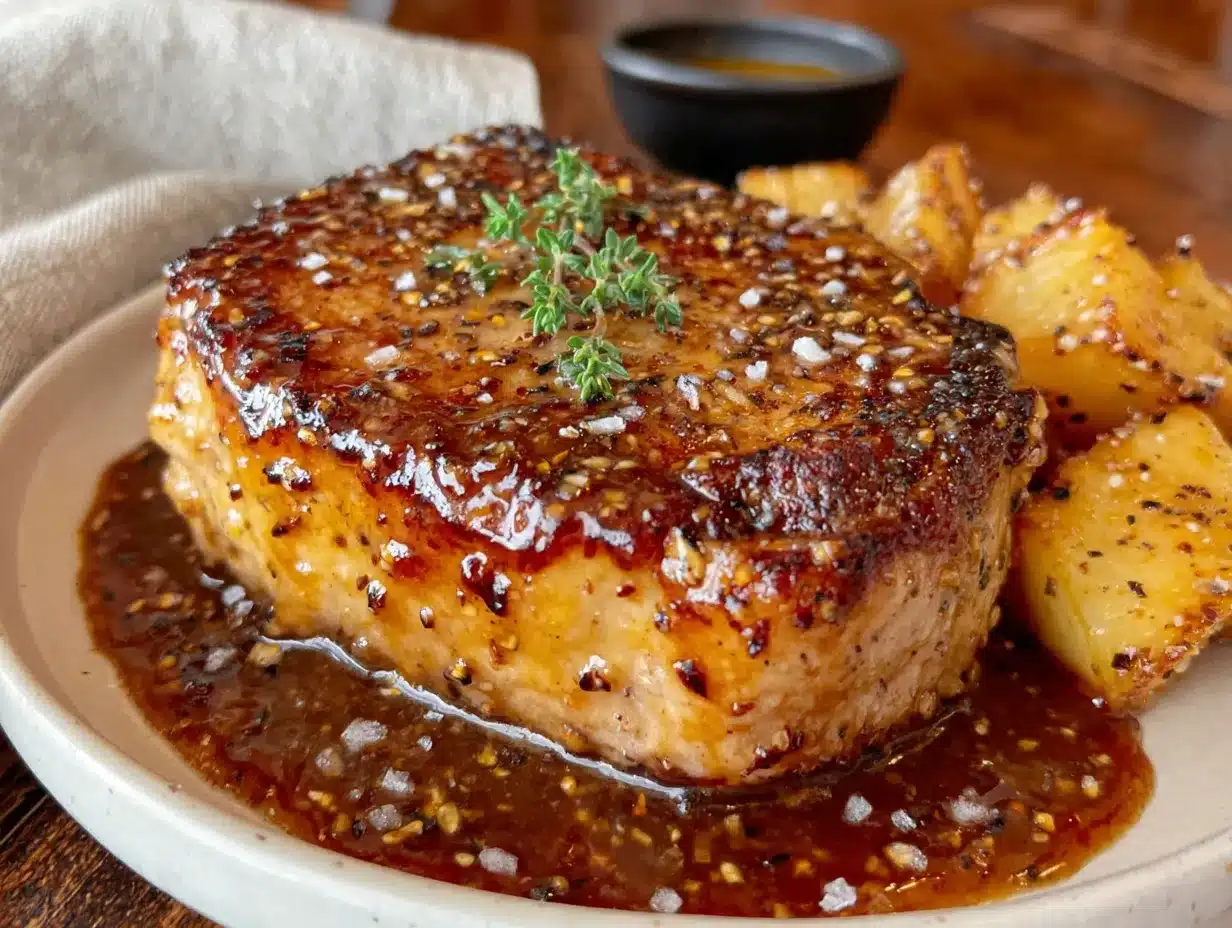
Let’s get cooking. This whole process takes about 25-30 minutes from start to finish. Here’s how to do it like a pro:
- Pat the pork chops dry. This is the most important step. Use paper towels to remove all moisture from the surface of the chops. Wet pork won’t sear—it’ll steam. Season generously on both sides with salt and pepper. Let them sit at room temperature for 10 minutes while you prep the other ingredients.
- Heat the skillet over medium-high heat. Add the olive oil and let it get shimmering hot—almost smoking. You should be able to feel the heat radiating from the pan when you hold your hand a few inches above it. This takes about 2-3 minutes.
- Sear the pork chops. Place them in the skillet in a single layer. Don’t crowd the pan—if your skillet is too small, cook in batches. Let them sear undisturbed for 4-5 minutes. You’ll know they’re ready to flip when they release easily from the pan. If they stick, they need more time. Flip and cook for another 3-4 minutes. The internal temperature should reach 135°F (they’ll continue cooking in the sauce later). Transfer to a plate and tent loosely with foil.
- Sauté the aromatics. Reduce the heat to medium. Add the butter to the pan. Once it melts, add the diced shallot and cook for 2 minutes, stirring occasionally, until softened and translucent. Add the minced garlic and cook for 30 seconds—just until fragrant. Don’t let the garlic burn.
- Deglaze the pan. Pour in the apple cider and chicken broth. Use your wooden spoon to scrape up all those browned bits from the bottom of the pan. This is where the flavor lives. Let the liquid come to a simmer and cook for 5-6 minutes, until it reduces by about half and starts to look syrupy.
- Add the mustard and thyme. Stir in the Dijon mustard until fully incorporated. Add the fresh thyme sprigs. Let the sauce simmer for another 2 minutes, until it thickens slightly. Taste and adjust seasoning with salt and pepper.
- Finish the dish. Return the pork chops to the skillet, along with any juices that accumulated on the plate. Spoon the sauce over the chops. Let them warm through for 2 minutes, flipping once. Stir in the apple cider vinegar—this brightens everything up. Remove the thyme sprigs before serving.
- Rest and serve. Let the pork chops rest in the pan for 5 minutes off the heat. This allows the juices to redistribute. Serve with the sauce spooned over the top.
Sensory Cues: When you’re searing, listen for that steady sizzle—it should sound active but not violent. If it’s too quiet, your pan isn’t hot enough. When the sauce reduces, watch for it to coat the back of a spoon. The color should deepen to a rich amber. The smell? It’s like autumn in a pan—sweet apples, savory pork, and earthy thyme all mingling together.
Troubleshooting: If your sauce is too thin, let it simmer a few more minutes. If it’s too thick, add a splash of broth. If the pork chops are browning too quickly, reduce the heat slightly—you want a deep golden crust, not a burnt one. And if you’re nervous about overcooking, pull the chops out at 140°F. Carryover cooking will bring them to 145°F.
Cooking Tips & Techniques
I’ve made this recipe more times than I can count, and I’ve learned a few things the hard way. Here are my best tips:
- Don’t skip the drying step. I learned this lesson after a batch of pale, steamed pork chops. Moisture is the enemy of a good sear. Pat those chops dry like your dinner depends on it—because it does.
- Let the meat come to room temperature. Cold pork chops hit a hot pan and the temperature drops too fast. You’ll end up with uneven cooking. Give them 10-15 minutes on the counter before cooking.
- Use a meat thermometer. I used to guess, and I guessed wrong a lot. Pork chops are lean and easy to overcook. At 145°F, they’re perfectly safe and still juicy. I’ve pulled them at 140°F and let carryover cooking do the rest.
- Don’t move the chops while searing. It’s tempting to peek, but leave them alone for a solid 4 minutes. They’ll release naturally when the crust is formed. If you try to flip too early, you’ll tear the meat.
- Scrape the pan thoroughly. Those browned bits (the fond) are pure flavor. Don’t leave any behind. I use a wooden spoon and a little elbow grease. If they’re stubborn, add a splash more broth.
- Taste the sauce before serving. Everyone’s apple cider is a little different. Some are sweeter, some more tart. Adjust the salt, pepper, and vinegar to your liking. I’ve added an extra splash of cider vinegar more times than I can count.
Multitasking Strategy: While the pork is searing, dice your shallot and mince your garlic. While the sauce is reducing, set the table or make a quick side dish. This recipe moves fast, so having everything prepped before you start is a lifesaver.
Variations & Adaptations
This recipe is flexible, and I’ve tried a few twists over the years. Here are some of my favorites:
- Apple Cider Pork Chops with Cream Sauce: After deglazing the pan, stir in 1/4 cup of heavy cream along with the mustard. The sauce becomes rich, velvety, and almost decadent. Perfect for a special occasion or when you want something extra indulgent.
- Herb Swap: Don’t have thyme? Rosemary works beautifully with apple cider. Use 1 sprig of fresh rosemary (or 1/2 teaspoon dried). Sage is another great option—it adds an earthy, slightly peppery note that pairs well with pork.
- Spicy Apple Cider Pork Chops: Add 1/2 teaspoon of red pepper flakes along with the garlic. The heat cuts through the sweetness and adds a lovely warmth. I’ve also used a pinch of cayenne in the sauce—just a little goes a long way.
- Gluten-Free Adaptation: This recipe is naturally gluten-free as written. Just make sure your Dijon mustard and chicken broth are certified gluten-free if that’s a concern for you.
- Slow Cooker Version: Sear the pork chops as directed, then transfer them to a slow cooker. Deglaze the pan with the cider and broth, pour the liquid over the chops, and cook on low for 4-6 hours. The sauce will be thinner, so you can thicken it with a cornstarch slurry (1 tablespoon cornstarch mixed with 2 tablespoons cold water) at the end.
- Fruit Swap: In summer, I’ve used fresh apple cider from the farmers’ market, but you can also use pear cider or even hard apple cider for a more complex flavor. Just be aware that hard cider will take longer to reduce because of the alcohol content.
Serving & Storage Suggestions
These apple cider pork chops are versatile enough for a casual weeknight dinner or a fancy dinner party. Here’s how to serve and store them:
Serving Temperature: Serve the pork chops hot, straight from the pan. The sauce should be warm and glossy. I like to spoon extra sauce over the top just before bringing the dish to the table. For a dinner party, I transfer the chops to a platter and pour the sauce over them—it looks gorgeous.
What to Serve Alongside: The classic pairing is mashed potatoes—they soak up the sauce beautifully. I also love serving these with roasted Brussels sprouts or a simple green salad with a tangy vinaigrette. For a heartier meal, try them with creamy polenta or buttered egg noodles. In the fall, roasted butternut squash or sautéed apples make a lovely accompaniment.
Storage Instructions: Store leftover pork chops and sauce in an airtight container in the refrigerator for up to 3 days. The flavors actually deepen overnight—the sauce gets even more complex. To reheat, place the chops and sauce in a skillet over medium-low heat, adding a splash of broth or water to loosen the sauce if needed. Cover and warm gently for 5-7 minutes. You can also reheat in the microwave, but the texture won’t be as good.
Freezing: These pork chops freeze well for up to 2 months. Cool completely, then transfer to a freezer-safe container. To thaw, place in the refrigerator overnight. Reheat gently in a skillet.
Flavor Development: Like many braised dishes, these pork chops taste even better the next day. The sauce continues to meld with the meat, and the flavors become more rounded. If you’re making this for a dinner party, consider cooking it a day ahead—just reheat gently before serving.
Nutritional Information & Benefits
Here’s a rough nutritional breakdown for one serving (one pork chop with about 1/4 cup of sauce):
- Calories: Approximately 380-420
- Protein: 35-40g
- Fat: 22-26g (mostly from the pork and butter)
- Carbohydrates: 12-15g (from the apple cider and shallot)
- Fiber: 0-1g
- Sugar: 8-10g (naturally occurring from the cider)
- Sodium: 450-550mg (varies based on salt and broth)
Health Benefits: Pork chops are an excellent source of high-quality protein, which is essential for muscle repair and growth. They also provide B vitamins, particularly B6 and B12, which support energy metabolism and brain function. The apple cider in the sauce contains antioxidants called polyphenols, which may help reduce inflammation. Plus, the sauce is made with real ingredients—no added sugars or preservatives. If you’re watching your carb intake, this recipe fits nicely into a balanced diet, especially if you serve it with non-starchy vegetables.
Dietary Considerations: This recipe is naturally gluten-free and can be made dairy-free by using olive oil instead of butter (though the sauce won’t be as rich). It’s also low-carb if you skip the mashed potatoes. As always, check your specific ingredients for any allergens.
From a personal perspective, I love that this recipe feels indulgent but is actually quite balanced. It’s the kind of meal that satisfies without weighing you down. And honestly, knowing I can put a dinner like this on the table in 30 minutes makes me feel like a kitchen rockstar.
Conclusion
These Easy Apple Cider Pork Chops have become my go-to for so many reasons. They’re fast enough for a Tuesday night, but impressive enough for a dinner party where you want to steal the show. The sauce is the real star—sweet, tangy, savory, and utterly addictive. I’ve made this for friends who said they “didn’t really like pork,” and watched them go back for seconds. I’ve made it for my mom, who gave me a rare “this is really good” without being prompted. And I’ve made it for myself at 11 PM on a Wednesday, standing at the counter, eating straight from the pan.
I hope you’ll give this recipe a try. Don’t be afraid to tweak it—add more mustard if you like tang, throw in some red pepper flakes for heat, or swap the thyme for rosemary. Cooking is about making things your own. And honestly, the best recipes are the ones you can adapt to whatever you have in your kitchen.
If you make these apple cider pork chops, I’d love to hear about it. Drop a comment below and let me know how they turned out—did you add any twists? What did you serve alongside? Your feedback helps other readers (and me!) discover new ways to enjoy this dish. And if you’re looking for another crowd-pleasing dinner, you might also enjoy this honey garlic salmon—it’s another 30-minute stunner that always gets rave reviews. Happy cooking!
Frequently Asked Questions
Can I use boneless pork chops for this recipe?
Yes, you can. Boneless chops will cook a bit faster, so reduce the searing time by about 1 minute per side. Keep an eye on the internal temperature—145°F is your target. The sauce will still be delicious, but bone-in chops tend to be juicier and more flavorful.
Can I make this recipe with apple juice instead of apple cider?
You can, but the flavor won’t be as deep. Apple juice is sweeter and thinner, so the sauce may be less complex and take longer to reduce. If you’re in a pinch, use apple juice and add a splash of apple cider vinegar to mimic the tanginess of cider.
How do I prevent the pork chops from drying out?
The key is not overcooking them. Use a meat thermometer and pull the chops at 140-145°F. Also, letting them rest for 5 minutes after cooking allows the juices to redistribute. Patting them dry before searing and using a hot pan also helps create a crust that locks in moisture.
Can I double this recipe for a crowd?
Absolutely. If you’re cooking for a dinner party, just make sure not to crowd the pan when searing. Cook the pork chops in batches if needed, then proceed with the sauce as directed. You may need to increase the sauce ingredients slightly—use 1.5 cups of cider and an extra shallot to ensure enough sauce for all the chops.
What can I substitute for Dijon mustard?
If you don’t have Dijon, you can use whole grain mustard for a similar tang with more texture. Stone-ground mustard also works well. In a pinch, yellow mustard will do, but it’s milder and won’t add the same depth. Avoid honey mustard—it’s too sweet and will throw off the balance.
Pin This Recipe!

Easy Apple Cider Pork Chops: Best 30-Minute Dinner

Juicy bone-in pork chops are seared to perfection and finished in a glossy, tangy apple cider sauce with Dijon mustard and thyme. This 30-minute weeknight miracle is impressive enough for dinner parties yet simple enough for a quick family meal.
- Prep Time: 10 minutes
- Cook Time: 20 minutes
- Total Time: 30 minutes
- Yield: 4 servings 1x
- Category: Main Course
- Cuisine: American
Ingredients
- 4 bone-in pork chops (about 1 inch thick)
- 1 cup apple cider (unfiltered)
- 2 tablespoons Dijon mustard
- 4–5 sprigs fresh thyme (or 1 teaspoon dried)
- 2 tablespoons unsalted butter
- 1 large shallot, finely diced
- 3 cloves garlic, minced
- 2 tablespoons olive oil
- Salt and black pepper to taste
- 1 tablespoon apple cider vinegar
- 1/4 cup low-sodium chicken broth
Instructions
- Pat the pork chops dry with paper towels. Season generously on both sides with salt and pepper. Let sit at room temperature for 10 minutes.
- Heat a large heavy-bottomed skillet (12-inch) over medium-high heat. Add olive oil and heat until shimmering, about 2-3 minutes.
- Sear the pork chops in a single layer without crowding. Cook undisturbed for 4-5 minutes until golden brown and easily released from the pan. Flip and cook for another 3-4 minutes. Internal temperature should reach 135°F. Transfer to a plate and tent loosely with foil.
- Reduce heat to medium. Add butter to the pan. Once melted, add diced shallot and cook for 2 minutes until softened. Add minced garlic and cook for 30 seconds until fragrant.
- Pour in apple cider and chicken broth. Use a wooden spoon to scrape up browned bits from the bottom of the pan. Bring to a simmer and cook for 5-6 minutes until reduced by half and syrupy.
- Stir in Dijon mustard and add fresh thyme sprigs. Simmer for 2 more minutes until slightly thickened. Season with salt and pepper to taste.
- Return pork chops to the skillet along with any accumulated juices. Spoon sauce over the chops and let warm through for 2 minutes, flipping once. Stir in apple cider vinegar. Remove thyme sprigs before serving.
- Let pork chops rest in the pan off the heat for 5 minutes. Serve with sauce spooned over the top.
Notes
Pat the pork chops very dry for the best sear. Let the meat come to room temperature before cooking. Use a meat thermometer to avoid overcooking (target 145°F). Don’t move the chops while searing; they will release naturally when the crust is formed. Scrape the pan thoroughly to incorporate all the browned bits. Taste the sauce before serving and adjust seasoning as needed.
Nutrition
- Serving Size: 1 pork chop with abo
- Calories: 400
- Sugar: 9
- Sodium: 500
- Fat: 24
- Saturated Fat: 8
- Carbohydrates: 14
- Protein: 37
Keywords: apple cider pork chops, easy pork chop recipe, 30-minute dinner, pan-seared pork chops, apple cider sauce, weeknight dinner, dinner party recipe