It was 11:47 PM on a rainy Wednesday, and a very specific craving hit. I wanted mac and cheese—the kind from a blue box, honestly, the kind that’s almost embarrassing to admit you want as an adult. But I didn’t have any pasta, or milk, or even that powdered cheese packet that makes the whole thing work. I did have a butternut squash sitting on the counter that I’d bought with good intentions three days earlier, a bunch of sage that was starting to look sad, and the stubborn thought that maybe—just maybe—I could make something better than the box.
I stood there in my kitchen, barefoot on the cold tile, and decided to just go for it. I roasted the squash without even looking up a recipe, boiled some cavatappi I found buried in the back of the pantry, and started crumbling sage leaves into hot butter. The smell that filled my apartment at midnight was ridiculous. I mean, genuinely unfair—how was I supposed to sleep after that? I whisked the roasted squash into warm milk and cheese, and when I took that first bite standing over the stove, I actually laughed out loud. It was that good. Maybe you’ve been there—that moment when a happy accident turns into something you’ll make for years. This is that recipe.
Why You’ll Love This Recipe
Let me tell you why this creamy butternut squash mac and cheese has earned a permanent spot in my dinner rotation. I’ve tested this recipe at least a dozen times, tweaking the squash-to-cheese ratio and the sage quantity until it was absolutely perfect. It’s the kind of dish that feels fancy but comes together with shocking ease.
- Quick & Easy: From start to table in about 40 minutes, including roasting time. Perfect for those nights when you want something comforting but don’t have hours to spend in the kitchen.
- Simple Ingredients: No trips to a specialty grocery store. You need a butternut squash, some good cheddar, pasta, sage, and a few pantry staples. That’s it.
- Perfect for Fall Dinners: This is your go-to for cozy weeknights, Thanksgiving sides, or impressing guests without breaking a sweat.
- Crowd-Pleaser: I’ve served this to kids who swear they hate squash and adults who asked for the recipe before finishing their plate. It works.
- Unbelievably Delicious: The roasted squash creates an ultra-creamy sauce without heavy cream, and the crispy sage takes it to another planet of flavor.
What makes this different from other butternut squash mac and cheese recipes? It’s the technique. Roasting the squash first brings out its natural sweetness and gives the sauce a deeper, more complex flavor than boiling or steaming ever could. And the crispy sage? That’s not just garnish—it’s a textural masterpiece that adds a savory, herbaceous crunch to every bite. This isn’t just another healthy-ish pasta dish. It’s the one that makes you close your eyes after the first forkful.
What Ingredients You Will Need
This recipe uses simple, wholesome ingredients to deliver bold, comforting flavor. Most of these are pantry staples or easy to find at any grocery store, especially during fall and winter when squash is at its peak.
For the Butternut Squash Sauce
- 1 medium butternut squash (about 2.5 to 3 pounds), peeled, seeded, and cubed into 1-inch pieces. Look for one that feels heavy for its size and has a smooth, unblemished skin.
- 2 tablespoons olive oil, for roasting. I prefer a good quality extra-virgin here since it adds a subtle fruitiness.
- 1/2 teaspoon salt, plus more to taste. I use fine sea salt for even seasoning.
- 1/4 teaspoon black pepper, freshly ground if possible.
- 1 cup whole milk. You can use 2% in a pinch, but whole milk makes the sauce noticeably creamier. For a dairy-free version, unsweetened oat milk works beautifully.
- 1 1/2 cups sharp cheddar cheese, freshly shredded. Please, please shred your own cheese—the pre-shredded stuff has anti-caking agents that make the sauce grainy. I recommend Tillamook or Cabot for excellent meltability.
- 1/2 cup grated Parmesan cheese. Use the real stuff, not the green can. Parmigiano-Reggiano is ideal if you have it.
- 2 tablespoons unsalted butter.
- 1 small garlic clove, minced. This adds a subtle savory note that doesn’t overpower the squash.
For the Pasta and Topping
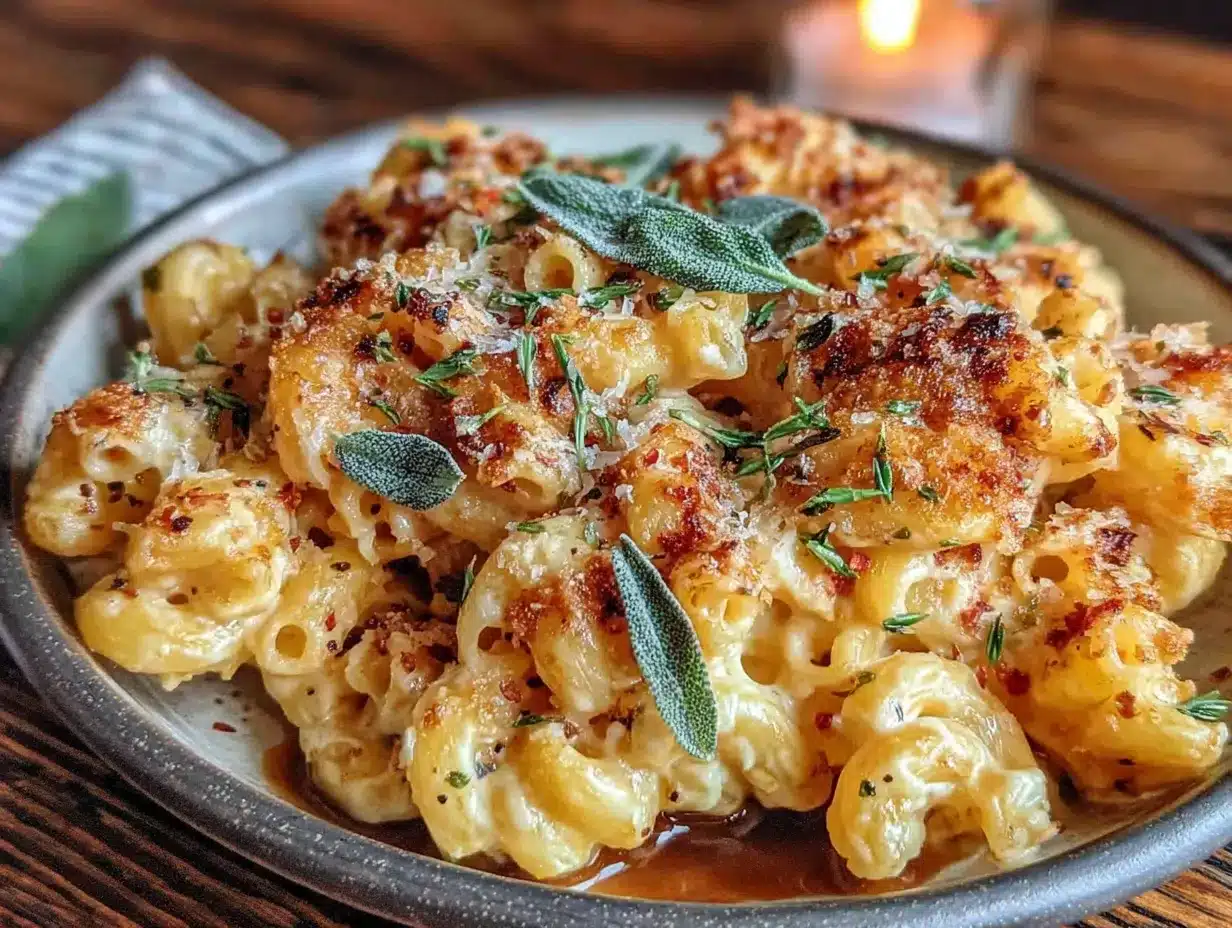
- 12 ounces pasta. I love cavatappi or fusilli for this because the ridges catch all that creamy sauce. Elbow macaroni works perfectly too, or even shells.
- 1/4 cup fresh sage leaves, about 15 to 20 leaves. Don’t use dried sage here—the fresh leaves are what get crispy and amazing.
- 2 tablespoons butter, for frying the sage.
- Extra salt for the pasta water. Pasta water should taste like the sea—it seasons the pasta from the inside out.
Equipment Needed
You don’t need a fancy kitchen to pull this off. Here’s what I used when I first made this at 11 PM with zero planning:
- Baking sheet for roasting the squash. A rimmed sheet pan works best to catch any juices.
- Large pot for boiling pasta. Go with a 5-quart or larger so the pasta has room to move.
- Medium saucepan for the sauce. A heavy-bottomed one prevents scorching.
- Skillet or small frying pan for the crispy sage. Nonstick works great here.
- Food processor or blender for pureeing the roasted squash. I use my trusty Vitamix, but a standard blender or even an immersion blender in a tall cup works fine.
- Box grater or microplane for shredding cheese. A microplane is amazing for the Parmesan.
- Wooden spoon or silicone spatula for stirring. Silicone won’t scratch your pots.
- Sharp knife and cutting board for prepping the squash. Be careful—squash can be tough to cut.
If you don’t have a blender, you can mash the roasted squash really well with a potato masher. It won’t be as silky, but it’ll still taste delicious. I’ve done it that way when my blender was in the dishwasher, and honestly, a slightly rustic sauce has its own charm.
Preparation Method
Alright, let’s make this happen. Follow these steps, and you’ll have a pot of creamy, dreamy mac and cheese that’ll make your whole kitchen smell incredible.
- Preheat your oven to 400°F (200°C). Line a baking sheet with parchment paper for easy cleanup. While the oven heats, peel your butternut squash. I find it easiest to cut off the top and bottom first, then use a vegetable peeler. Cut it in half lengthwise, scoop out the seeds, and cube it into 1-inch pieces. Don’t stress about perfect cubes—they’ll all get blended anyway.
- Toss the cubed squash with 2 tablespoons olive oil, 1/2 teaspoon salt, and 1/4 teaspoon pepper. Spread it in a single layer on the baking sheet. Roast for 25 to 30 minutes, flipping halfway through, until the squash is fork-tender and the edges are starting to caramelize. The caramelization is where the magic happens—it brings out the natural sugars and deepens the flavor.
- While the squash roasts, bring a large pot of salted water to a boil. Add your 12 ounces of pasta and cook according to package directions until al dente. I usually go one minute less than the package says because the pasta will continue cooking slightly when you add it to the sauce. Reserve about 1 cup of pasta water before draining, then drain the pasta and set it aside.
- Make the crispy sage. In a small skillet, melt 2 tablespoons of butter over medium heat. Once it’s foaming, add the sage leaves in a single layer. Cook for 30 to 60 seconds per side until they’re dark green and crispy. They’ll shrink a bit and get almost translucent. Transfer them to a paper towel-lined plate and sprinkle with a tiny pinch of salt. Don’t walk away from these—they go from perfect to burnt in seconds.
- Puree the roasted squash. Transfer the roasted squash to your blender or food processor. Add 1 cup of whole milk and blend until completely smooth. This should take about 30 to 45 seconds. If it seems too thick, add a splash more milk. The mixture should be the consistency of a thick soup.
- Make the cheese sauce. In your medium saucepan, melt 2 tablespoons of butter over medium heat. Add the minced garlic and cook for 30 seconds until fragrant. Pour in the squash puree and stir to combine. Reduce the heat to low, then gradually add the shredded cheddar and Parmesan, stirring constantly. Keep stirring until the cheese is fully melted and the sauce is smooth. This takes about 3 to 4 minutes.
- Combine everything. Add the drained pasta to the sauce and stir until every piece is coated. If the sauce seems too thick, add a splash of the reserved pasta water to loosen it up. Taste and adjust salt and pepper—I usually add another 1/4 teaspoon of salt here.
- Serve immediately. Spoon the mac and cheese into bowls, top with the crispy sage leaves, and eat while it’s hot. The sage will stay crispy for about 10 minutes, so don’t wait too long.
Cooking Tips & Techniques
After making this recipe more times than I can count, I’ve learned a few things the hard way. Here are my best tips so you don’t have to make the same mistakes I did.
Don’t skip roasting the squash. I tried boiling it once when I was in a hurry, and the sauce came out watery and bland. Roasting concentrates the flavor and gives the sauce a velvety texture that boiling just can’t replicate. It’s worth the extra 25 minutes, I promise.
Shred your own cheese. This is non-negotiable for a creamy sauce. Pre-shredded cheese is coated in cellulose and starches that prevent clumping in the bag—but they also prevent smooth melting in your sauce. I learned this the hard way when my first attempt came out grainy and weird. Freshly shredded cheese melts like a dream.
Watch the sage like a hawk. The first time I made crispy sage, I got distracted by my phone and ended up with black, bitter leaves that smelled like a campfire. They go from perfect to ruined in about 15 seconds. Set a timer if you have to. The leaves should be dark green and crispy, not brown.
Reserve that pasta water. The starchy water is liquid gold for adjusting sauce consistency. It helps the sauce cling to the pasta better than plain water or milk would. I always save a full cup, even if I only end up using a few tablespoons.
Don’t overheat the sauce. Once you add the cheese, keep the heat on low. High heat can cause the cheese to seize up and turn into a clumpy mess. Low and slow is the way to go. If your sauce looks like it’s separating, take it off the heat immediately and whisk in a splash of cold milk.
Variations & Adaptations
One of the best things about this recipe is how adaptable it is. Here are some variations I’ve tried and loved.
Make it gluten-free: Use your favorite gluten-free pasta. I’ve had great results with chickpea pasta or brown rice pasta. Just be careful not to overcook it—gluten-free pasta can get mushy fast. The sauce itself is naturally gluten-free since there’s no flour in it.
Add some protein: I’ve stirred in shredded rotisserie chicken and crispy bacon bits on separate occasions, and both were fantastic. The smoky bacon especially plays beautifully with the sage and squash. You could also add leftover roasted turkey after Thanksgiving.
Try a different squash: If you can’t find butternut squash, use kabocha, buttercup, or even sweet potato. Each will give a slightly different sweetness level, but they all work. I made this once with red kuri squash from my farmer’s market, and it was incredible—slightly nuttier and richer.
Go dairy-free: Use unsweetened oat milk or cashew milk for the sauce, and swap the cheeses for your favorite dairy-free alternatives. I’ve used Violife cheddar shreds and Follow Your Heart Parmesan, and it worked surprisingly well. The sauce won’t be as creamy, but it’s still delicious.
Add some heat: A pinch of red pepper flakes or a dash of smoked paprika in the sauce adds a lovely warmth. I sometimes add 1/4 teaspoon of cayenne when I want a little kick.
Serving & Storage Suggestions
This mac and cheese is best served immediately, hot from the pot, with the crispy sage sprinkled on top. The contrast between the creamy pasta and the crunchy sage is pure magic. I like to serve it in shallow bowls with a simple green salad on the side dressed with lemon vinaigrette—the acidity cuts through the richness perfectly.
For a cozy dinner, pair it with roasted broccoli or sautéed kale. If you’re serving it as a side dish, it goes beautifully with roasted chicken, pork chops, or a hearty vegetable soup. A glass of crisp white wine like Sauvignon Blanc or a light Pinot Noir complements the sage and squash beautifully.
Storage: Leftovers keep in an airtight container in the refrigerator for up to 4 days. The sauce will thicken as it sits, so don’t be alarmed. To reheat, add a splash of milk or water and warm it gently on the stovetop or in the microwave, stirring every 30 seconds. The crispy sage will lose its crunch, so I recommend making fresh sage for leftovers.
Freezer: This recipe freezes well for up to 3 months. Let it cool completely, then transfer to a freezer-safe container. Thaw overnight in the refrigerator, then reheat with a splash of milk. The texture won’t be quite as silky as fresh, but it’s still a solid comfort meal on a busy night.
I’ve noticed the flavors actually deepen after a day in the fridge. The squash and cheese meld together even more, making the leftovers almost better than the original. If you can resist eating it all in one sitting, that is.
Nutritional Information & Benefits
This creamy butternut squash mac and cheese is a more nutritious take on the classic without sacrificing any of the comfort. Here’s the estimated nutritional breakdown per serving (based on 6 servings):
| Nutrient | Amount Per Serving |
|---|---|
| Calories | 485 |
| Total Fat | 22g |
| Saturated Fat | 12g |
| Cholesterol | 55mg |
| Sodium | 680mg |
| Total Carbohydrates | 55g |
| Dietary Fiber | 6g |
| Sugars | 8g |
| Protein | 20g |
| Vitamin A | 290% DV |
| Vitamin C | 35% DV |
| Calcium | 35% DV |
| Iron | 15% DV |
Butternut squash is packed with vitamin A, which supports eye health and immune function. It’s also a great source of fiber, which helps keep you full and satisfied. The sage leaves aren’t just for show—they contain antioxidants and have anti-inflammatory properties. By using squash as the base of the sauce, you’re getting a serving of vegetables in every bowl, plus cutting back on the amount of cheese and cream typically needed. It’s comfort food that actually makes you feel good afterward.
Conclusion
This creamy butternut squash mac and cheese with crispy sage is proof that the best recipes often come from happy accidents. What started as a late-night craving with limited ingredients turned into a dish I now make on purpose, for company, for holidays, and for those nights when only something warm and cheesy will do. The roasted squash makes the sauce unbelievably creamy without being heavy, and that crispy sage on top? Honestly, it’s worth making the recipe for that alone.
I’d love to hear how this turns out for you. Did you add bacon? Try it with a different squash? Forget the sage and burn it like I did the first time? Drop a comment below and let me know—I read every single one, and your tweaks might inspire someone else’s dinner tonight. If you loved this, you might also enjoy my creamy Tuscan chicken pasta or this roasted vegetable lasagna for another cozy, veggie-packed meal. Now go make some magic in your kitchen!
Frequently Asked Questions
Can I use frozen butternut squash instead of fresh?
Yes, you can use frozen cubed butternut squash to save time. Thaw it first, pat it dry with paper towels to remove excess moisture, then roast it as directed. It might take a few extra minutes in the oven since frozen squash releases more water.
Why did my cheese sauce turn out grainy?
Grainy cheese sauce usually happens for two reasons: using pre-shredded cheese with anti-caking agents, or overheating the sauce. Always shred your own cheese from a block, and keep the heat on low when melting it into the sauce. If it starts to look grainy, remove it from the heat immediately and whisk in a splash of cold milk.
Can I make this recipe ahead of time?
Absolutely. You can make the full dish, let it cool, and store it in the refrigerator for up to 4 days. Reheat with a splash of milk to restore the creamy texture. I don’t recommend adding the crispy sage until right before serving, as it will soften in the fridge.
What can I use instead of sage?
If you don’t have sage, fresh thyme or rosemary make excellent substitutes. They crisp up beautifully in butter and add their own aromatic flavor. You could also skip the crispy herb topping entirely and just sprinkle some toasted breadcrumbs or extra Parmesan on top.
Is this recipe suitable for kids?
Yes! Kids love this mac and cheese because it tastes like the classic version they already enjoy. The squash blends into the sauce so completely that most kids won’t even know it’s there. If your child is extra picky, you can reduce the sage or leave it off their portion entirely.
Pin This Recipe!

Easy Creamy Butternut Squash Mac and Cheese with Crispy Sage

A creamy, comforting mac and cheese made with roasted butternut squash for a velvety sauce, topped with crispy sage leaves. This easy recipe comes together in about 40 minutes and is perfect for fall dinners or a cozy weeknight meal.
- Prep Time: 10 minutes
- Cook Time: 30 minutes
- Total Time: 40 minutes
- Yield: 6 servings 1x
- Category: Main Course
- Cuisine: American
Ingredients
- 1 medium butternut squash (about 2.5 to 3 pounds), peeled, seeded, and cubed into 1-inch pieces
- 2 tablespoons olive oil
- 1/2 teaspoon salt, plus more to taste
- 1/4 teaspoon black pepper, freshly ground
- 1 cup whole milk
- 1 1/2 cups sharp cheddar cheese, freshly shredded
- 1/2 cup grated Parmesan cheese
- 2 tablespoons unsalted butter
- 1 small garlic clove, minced
- 12 ounces pasta (cavatappi, fusilli, or elbow macaroni)
- 1/4 cup fresh sage leaves (about 15 to 20 leaves)
- 2 tablespoons butter (for frying sage)
- Extra salt for pasta water
Instructions
- Preheat your oven to 400°F (200°C). Line a baking sheet with parchment paper. Peel the butternut squash, cut it in half lengthwise, scoop out the seeds, and cube it into 1-inch pieces.
- Toss the cubed squash with 2 tablespoons olive oil, 1/2 teaspoon salt, and 1/4 teaspoon pepper. Spread in a single layer on the baking sheet. Roast for 25 to 30 minutes, flipping halfway through, until fork-tender and edges are caramelized.
- While the squash roasts, bring a large pot of salted water to a boil. Add 12 ounces of pasta and cook according to package directions until al dente. Reserve about 1 cup of pasta water before draining, then drain and set aside.
- In a small skillet, melt 2 tablespoons of butter over medium heat. Add the sage leaves in a single layer and cook for 30 to 60 seconds per side until dark green and crispy. Transfer to a paper towel-lined plate and sprinkle with a tiny pinch of salt.
- Transfer the roasted squash to a blender or food processor. Add 1 cup of whole milk and blend until completely smooth, about 30 to 45 seconds. Add more milk if needed to reach a thick soup consistency.
- In a medium saucepan, melt 2 tablespoons of butter over medium heat. Add the minced garlic and cook for 30 seconds until fragrant. Pour in the squash puree and stir to combine. Reduce heat to low, then gradually add the shredded cheddar and Parmesan, stirring constantly until fully melted and smooth, about 3 to 4 minutes.
- Add the drained pasta to the sauce and stir until every piece is coated. If the sauce seems too thick, add a splash of reserved pasta water to loosen it up. Taste and adjust salt and pepper.
- Serve immediately, spooned into bowls and topped with the crispy sage leaves.
Notes
Don’t skip roasting the squash—it concentrates the flavor and gives the sauce a velvety texture. Always shred your own cheese for a smooth sauce. Watch the sage carefully as it can burn quickly. Reserve pasta water to adjust sauce consistency. For a dairy-free version, use unsweetened oat milk and dairy-free cheese alternatives.
Nutrition
- Serving Size: 1 serving (about 1.5
- Calories: 485
- Sugar: 8
- Sodium: 680
- Fat: 22
- Saturated Fat: 12
- Carbohydrates: 55
- Fiber: 6
- Protein: 20
Keywords: butternut squash mac and cheese, creamy mac and cheese, fall pasta, vegetarian mac and cheese, crispy sage, easy dinner