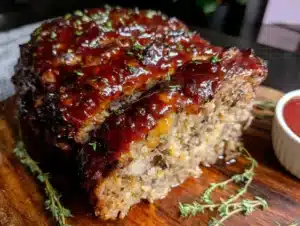
I’m not supposed to have a favorite turkey recipe. As a food blogger, I’m expected to love them all equally, you know? But let’s face it—some recipes just hit different. This brown butter sage turkey? It’s the one that made me stop mid-bite and just stare at my plate like an idiot.
Honestly, I stumbled onto this method by accident. I was testing a brown butter sage sauce for pasta (because that’s what normal people do on a Tuesday), and the smell was so ridiculously good that I thought, “Why has nobody done this to a whole turkey?” Turns out, plenty of people have. But my version? It’s the one that actually works without turning your kitchen into a war zone.
I tested this recipe four times before I got it right. The first attempt? Let’s just say the smoke alarm became part of the dinner experience. The second time, I forgot to pat the turkey dry, and the skin came out looking like a sad, wrinkled balloon. But by attempt number three, I had it dialed in. The brown butter sage turkey was golden, crispy, and so juicy that my neighbor—who claims she “doesn’t really like turkey”—asked for seconds. And thirds.
Maybe you’ve been there too. Staring down a raw turkey at 7 AM, wondering if you should’ve just ordered pizza. Trust me, this recipe changes everything. It’s the kind of meal that makes people close their eyes after the first bite, and it’s exactly what you need for a crowd-pleasing feast without the stress.
Why You’ll Love This Recipe
Let me tell you why this brown butter sage turkey is about to become your new holiday hero. I’ve tested this recipe more times than I care to admit, and every single time, it delivers. Here’s what makes it special:
- Incredibly Juicy Meat: The brown butter basting keeps the breast meat moist while the dark meat cooks through perfectly. No more dry white meat arguments at the table.
- Crispy, Golden Skin: That brown butter sage rub creates a skin so crispy it shatters when you cut into it. It’s the part everyone fights over.
- Simple Ingredients: You probably already have butter, sage, salt, and pepper in your kitchen. No weird specialty items or expensive grocery trips.
- Make-Ahead Friendly: Prep the brown butter sage mixture up to three days in advance. On feast day, you just rub and roast.
- Budget-Friendly: Turkey is one of the most affordable proteins per serving. This recipe stretches your dollar while delivering restaurant-quality results.
- Crowd-Pleaser: I’ve served this to picky eaters, turkey skeptics, and even my mother-in-law (who has strong opinions about poultry). Everyone loves it.
This isn’t just another turkey recipe. The brown butter adds a nutty, rich depth that plain butter just can’t match, while fresh sage brings an earthy warmth that screams “holiday feast.” It’s comfort food reimagined—familiar enough to feel traditional, but special enough to become your new go-to.
What Ingredients You Will Need
This brown butter sage turkey recipe uses simple, wholesome ingredients to deliver bold flavor and satisfying texture without the fuss. Most of these are pantry staples, which makes this recipe perfect for busy holiday cooking.
For the Brown Butter Sage Rub:
- 1 cup (226g) unsalted butter (I prefer Kerrygold for its rich flavor, but any good-quality butter works)
- 1/4 cup (10g) fresh sage leaves, finely chopped (plus extra whole leaves for garnish—they look gorgeous)
- 2 tablespoons (30ml) olive oil (helps the butter brown without burning)
- 1 tablespoon (15g) kosher salt (Diamond Crystal is my go-to; if using table salt, reduce to 2 teaspoons)
- 1 teaspoon (2g) freshly ground black pepper
- 1 teaspoon (2g) garlic powder (not garlic salt—we’re controlling the sodium here)
For the Turkey:
- 1 whole turkey (12-14 lbs / 5.4-6.4 kg), thawed if frozen (look for one with the giblets removed)
- 1 medium onion (150g), quartered (for stuffing the cavity—adds moisture from the inside)
- 4 cloves garlic, smashed (don’t bother peeling them perfectly; they’re just for flavor)
- 2 stalks celery, roughly chopped (adds subtle flavor to the drippings)
- 1 large carrot, roughly chopped (same reason—better gravy later)
- 1 cup (240ml) low-sodium chicken broth (for the bottom of the pan—keeps everything moist)
Ingredient Tips: For the best brown butter sage turkey, use fresh sage. Dried sage has its place, but it won’t give you that vibrant, aromatic flavor that makes this recipe shine. If you can only find dried, reduce the amount to 1 tablespoon and add it to the butter as it browns rather than after.
Substitution Guidance: Need a dairy-free option? Use high-quality vegan butter. The flavor won’t be exactly the same, but the technique still works beautifully. For a lower-sodium version, reduce the salt to 1 teaspoon and rely on the fresh herbs for flavor.
Equipment Needed
You don’t need a professional kitchen to make this brown butter sage turkey. Here’s what you’ll need:
- Large roasting pan with a rack (if you don’t have a rack, use crumpled aluminum foil to lift the turkey off the pan bottom)
- Small saucepan for browning the butter (light-colored pan helps you see the color change)
- Meat thermometer (digital instant-read is best; leave-in probe thermometers are even better for monitoring without opening the oven)
- Basting brush or silicone pastry brush
- Kitchen twine for trussing (optional but helpful for even cooking)
- Chef’s knife and cutting board
- Aluminum foil for tenting if the skin browns too quickly
- Large measuring cup for the drippings (makes gravy-making a breeze)
Budget-Friendly Tip: Don’t have a roasting rack? Place thick celery stalks and carrot pieces under the turkey. They lift it off the pan, add flavor to the drippings, and you don’t have to buy extra equipment.
Preparation Method
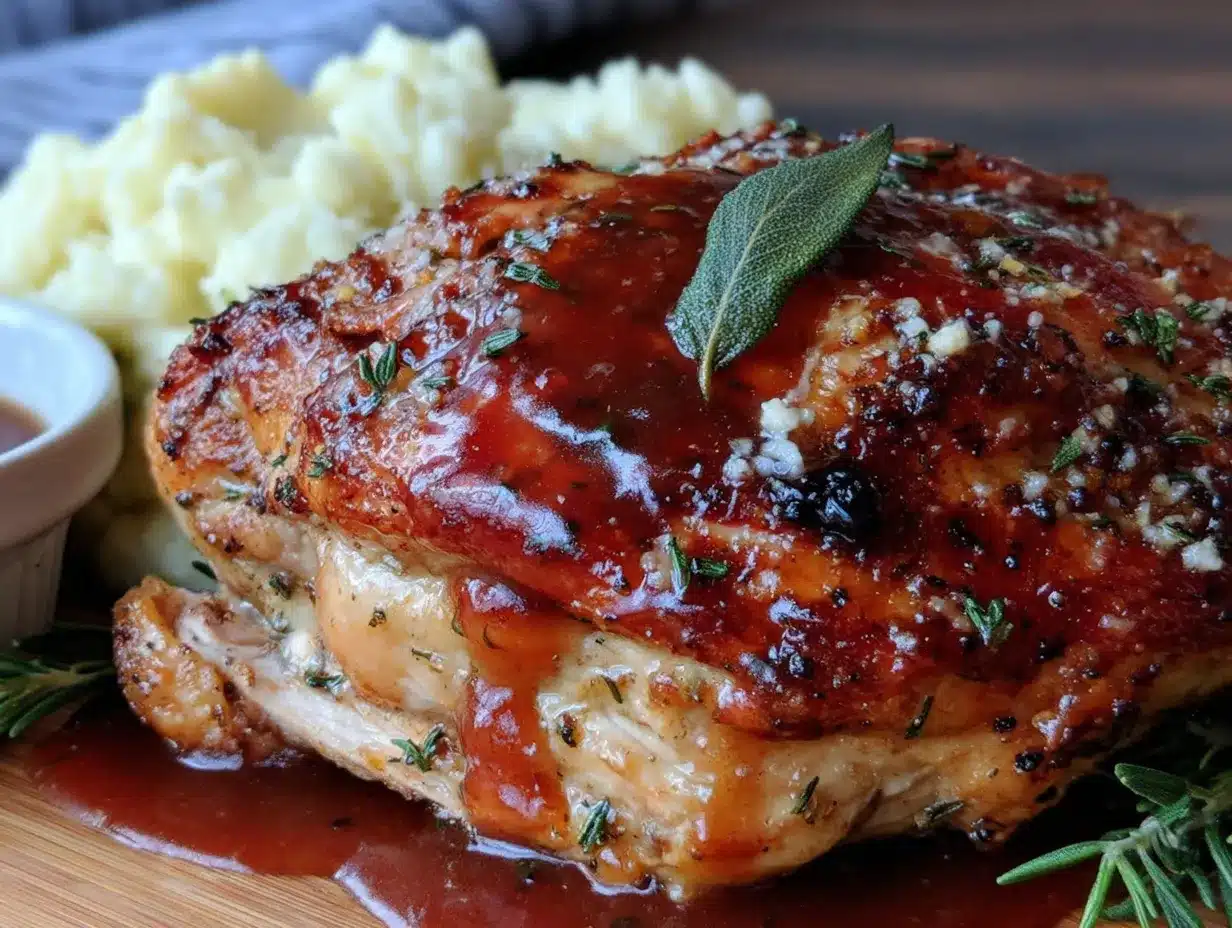
Let me walk you through this step by step. I’ve made every mistake possible so you don’t have to.
-
Make the brown butter sage mixture (can be done 3 days ahead): In a small saucepan over medium heat, melt the butter. Stir occasionally as it foams and bubbles. After about 5-7 minutes, you’ll see brown specks forming at the bottom and the butter will smell nutty and amazing. Immediately remove from heat and stir in the chopped sage, olive oil, salt, pepper, and garlic powder. Let it cool slightly. The sage will sizzle a bit—that’s normal and wonderful.
-
Prep the turkey (30 minutes before roasting): Remove the turkey from the refrigerator. Remove the giblets and neck (save them for gravy if you’re making homemade). Pat the turkey completely dry with paper towels—inside and out. This is crucial for crispy skin. Let it sit at room temperature for 30 minutes to take the chill off.
-
Preheat your oven (20 minutes before roasting): Set your oven to 425°F (218°C). Place a rack in the lower third of the oven. You want the turkey in the center, not too close to the top heating element.
-
Season the turkey: Place the turkey breast-side up on the roasting rack. Stuff the cavity with the quartered onion, smashed garlic, celery, and carrot. These aromatics will perfume the meat from the inside out. Tuck the wing tips under the turkey (this prevents them from burning).
-
Apply the brown butter sage rub: Using a basting brush, coat the entire turkey with the brown butter sage mixture. Don’t forget the underside of the legs and the wings. Use every last drop—this is where the magic lives.
-
Add broth to the pan: Pour the chicken broth into the bottom of the roasting pan, not over the turkey. This creates steam and prevents the drippings from burning.
-
Roast at high heat (30 minutes): Place the turkey in the oven and roast at 425°F (218°C) for 30 minutes. This high heat kick-starts the browning and gives you that gorgeous golden skin.
-
Reduce heat and continue roasting (2 to 2.5 hours): Without opening the oven, reduce the temperature to 350°F (177°C). Continue roasting until the thickest part of the thigh reaches 165°F (74°C) on your meat thermometer. Start checking at the 2-hour mark. A 12-14 lb turkey typically takes 2 to 2.5 hours total.
-
Baste halfway through (optional but recommended): About 1 hour into the roasting time, carefully tilt the pan and spoon the pan juices over the turkey. This adds moisture and flavor. Don’t open the oven too often—every time you do, heat escapes.
-
Check for doneness: Insert your meat thermometer into the thickest part of the thigh without touching bone. It should read 165°F (74°C). The breast meat should be at 160°F (71°C)—it will continue cooking as it rests.
-
Rest the turkey (30 minutes—non-negotiable): Remove the turkey from the oven and tent loosely with aluminum foil. Let it rest for at least 30 minutes before carving. This allows the juices to redistribute throughout the meat. If you skip this step, your brown butter sage turkey will be dry. Trust me on this one.
-
Carve and serve: Transfer the turkey to a cutting board. Remove the twine if you used it. Carve the breast meat against the grain into thick slices. Separate the legs and thighs. Arrange on a platter and spoon some of the pan juices over the top.
Cooking Tips & Techniques
After four rounds of testing this brown butter sage turkey, I’ve learned a few things the hard way. Here are my best tips:
Don’t skip the drying step. I know it seems tedious, but patting the turkey dry is what gives you that crispy skin. Wet skin steams instead of browning, and nobody wants soggy turkey skin. Use at least three paper towels and really get in there.
Watch the butter closely. Brown butter goes from perfect to burnt in about 30 seconds. The moment you see those brown specks and smell that nutty aroma, pull it off the heat. I once got distracted by my phone and had to start over. Not my finest moment.
Use a meat thermometer. Don’t rely on those pop-up timers that come with the turkey. They’re notoriously unreliable. A good digital thermometer costs about $15 and will save you from serving dry turkey. I use a ThermoPro and it’s never let me down.
Plan your timing backward. If you’re serving at 2 PM, work backward from there. The turkey needs 30 minutes at room temperature, 30 minutes at high heat, 2 to 2.5 hours at lower heat, and 30 minutes of resting. That means it should go into the oven around 10:30 AM. Write it down—I always do.
Deal with over-browning. If the skin is getting too dark but the turkey isn’t done yet, tent it loosely with foil. This protects the skin while the inside finishes cooking. I had to do this on my third test when my oven ran hot.
Variations & Adaptations
This brown butter sage turkey is versatile enough to adapt to different tastes and dietary needs. Here are some variations I’ve tried:
Herb-Infused Variation: Add 2 sprigs of fresh rosemary and 3 sprigs of fresh thyme to the brown butter as it cools. Strain them out before applying the rub. The rosemary adds a piney, aromatic note that pairs beautifully with the sage. I did this for Thanksgiving last year and my aunt asked for the recipe.
Citrus Twist: Replace the onion in the cavity with 1 halved lemon and 1 halved orange. The citrus steam adds brightness and cuts through the richness of the brown butter. This works especially well if you’re serving a crowd that prefers lighter flavors.
Spicy Brown Butter: Add 1 teaspoon of red pepper flakes to the butter as it browns. The heat mellows during roasting, leaving just a warm, subtle kick. My brother-in-law, who puts hot sauce on everything, declared this his favorite version.
Gluten-Free Adaptation: This recipe is naturally gluten-free as written. Just double-check your chicken broth label—some brands add wheat-based thickeners. Use Pacific Foods or Swanson’s gluten-free options.
Dairy-Free Option: Use a high-quality vegan butter like Miyoko’s. The browning process works the same, though the flavor will be slightly different. I tested this for a friend with dairy allergies and she couldn’t tell the difference.
Serving & Storage Suggestions
This brown butter sage turkey is best served hot, right after its 30-minute rest. Arrange the carved meat on a large platter and garnish with fresh sage leaves and a few sprigs of rosemary. The golden-brown skin against the green herbs is absolutely stunning.
What to serve with it: This turkey pairs beautifully with classic sides like mashed potatoes, green bean casserole, and cranberry sauce. The brown butter sage flavor also works well with roasted root vegetables—try carrots and parsnips tossed in the leftover pan juices.
Storage instructions: Store leftover turkey in an airtight container in the refrigerator for up to 4 days. Remove the meat from the bones before storing—it stays moister and is easier to reheat. I like to slice the breast meat and separate the legs and thighs.
Freezer tips: Cooked turkey freezes well for up to 3 months. Wrap individual portions tightly in plastic wrap, then place in a freezer bag. Label with the date so you know what you’ve got. Thaw overnight in the refrigerator before reheating.
Reheating methods: The best way to reheat leftover turkey is in a 300°F (150°C) oven. Place the meat in a baking dish, add a splash of chicken broth, cover with foil, and heat for 15-20 minutes. This keeps it moist without drying it out. Avoid the microwave—it makes the meat tough and rubbery.
Flavor development: Honestly, this turkey tastes even better the next day. The brown butter sage flavor deepens overnight, and the meat becomes even more tender. Cold turkey sandwiches with a smear of cranberry sauce? Pure heaven.
Nutritional Information & Benefits
This brown butter sage turkey is a protein-packed centerpiece that fits into most dietary patterns. Here’s the estimated nutritional breakdown per 6-ounce (170g) serving of white meat with skin:
- Calories: 380
- Protein: 42g
- Fat: 22g (10g saturated)
- Carbohydrates: 1g
- Sodium: 520mg
Health Benefits: Turkey is an excellent source of lean protein, which supports muscle health and keeps you feeling full. It’s also rich in B vitamins, particularly B6 and B12, which help with energy metabolism. The sage in this recipe contains antioxidants and has anti-inflammatory properties—bonus!
Dietary Considerations: This recipe is naturally low-carb and gluten-free. For a lower-fat option, remove the skin before eating (but honestly, the skin is the best part). If you’re watching your sodium, reduce the salt to 1 teaspoon and use unsalted butter.
Conclusion
This brown butter sage turkey is the recipe that changed my mind about holiday cooking. It’s proof that you don’t need complicated techniques or expensive ingredients to create something truly memorable. Just good butter, fresh sage, and a little bit of patience.
I love this recipe because it makes people happy. There’s something about watching a crowd dig into a perfectly roasted turkey that just feels right. The golden skin, the juicy meat, the way the brown butter sage aroma fills your whole house—it’s everything a feast should be.
Now it’s your turn. Give this brown butter sage turkey a try, and don’t be afraid to make it your own. Swap in different herbs, add some citrus, or keep it classic. Whatever you do, I’d love to hear about it. Drop a comment below and tell me how it turned out, or share your own twist on this recipe. Happy cooking, friend!
Frequently Asked Questions
Can I use dried sage instead of fresh?
Yes, but reduce the amount to 1 tablespoon and add it to the butter as it browns rather than after. Fresh sage gives a more vibrant flavor, but dried works in a pinch.
How do I know when the turkey is done without a thermometer?
I really recommend using a thermometer, but if you don’t have one, pierce the thigh with a fork. The juices should run clear, not pink. The leg should also wiggle easily in the joint.
Can I prepare the brown butter sage mixture ahead of time?
Absolutely! Make it up to 3 days in advance and store it in the refrigerator. Let it come to room temperature before using so it spreads easily.
What if my turkey is frozen?
Thaw it in the refrigerator, allowing 24 hours for every 4-5 pounds. A 12-pound turkey will take about 3 days to thaw completely. Never thaw at room temperature—it’s a food safety risk.
Can I use this recipe for a turkey breast instead of a whole turkey?
Yes! Reduce the cooking time to about 1.5 to 2 hours for a 6-8 pound bone-in turkey breast. Follow the same browning and roasting method, and check for doneness at 160°F (71°C) in the thickest part.
Pin This Recipe!
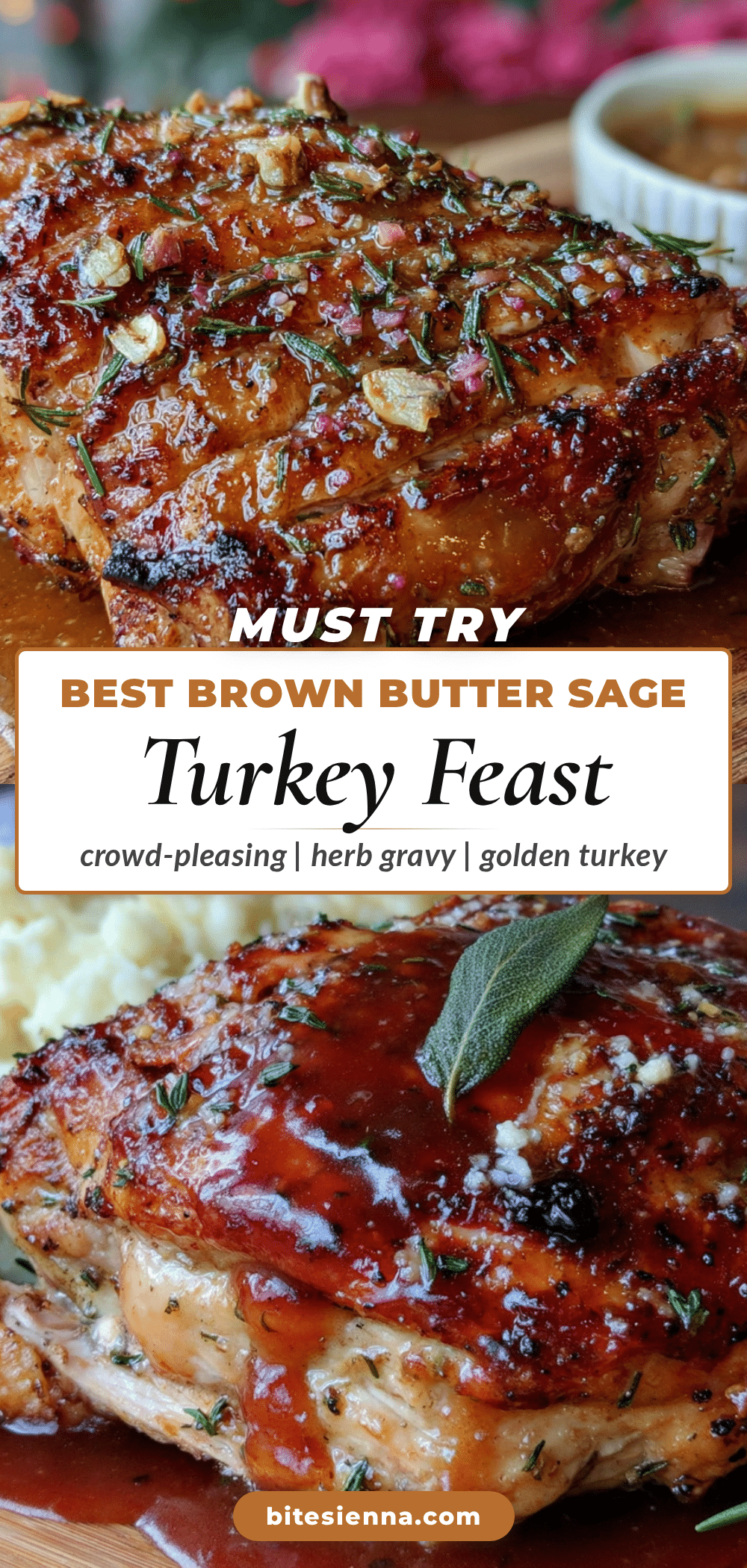
Best Brown Butter Sage Turkey for an Easy Feast
This brown butter sage turkey is incredibly juicy with crispy, golden skin. It’s a crowd-pleasing holiday centerpiece made with simple ingredients and a foolproof method.
- Prep Time: 30 minutes
- Cook Time: 2 hours 30 minutes
- Total Time: 3 hours 30 minutes
- Yield: 12 servings 1x
- Category: Main Course
- Cuisine: American
Ingredients
- 1 cup (226g) unsalted butter
- 1/4 cup (10g) fresh sage leaves, finely chopped
- 2 tablespoons (30ml) olive oil
- 1 tablespoon (15g) kosher salt
- 1 teaspoon (2g) freshly ground black pepper
- 1 teaspoon (2g) garlic powder
- 1 whole turkey (12–14 lbs / 5.4–6.4 kg), thawed if frozen
- 1 medium onion (150g), quartered
- 4 cloves garlic, smashed
- 2 stalks celery, roughly chopped
- 1 large carrot, roughly chopped
- 1 cup (240ml) low-sodium chicken broth
Instructions
- Make the brown butter sage mixture: In a small saucepan over medium heat, melt the butter. Stir occasionally as it foams and bubbles. After about 5-7 minutes, when brown specks form and the butter smells nutty, remove from heat. Stir in chopped sage, olive oil, salt, pepper, and garlic powder. Let cool slightly.
- Prep the turkey: Remove turkey from refrigerator. Remove giblets and neck. Pat turkey completely dry with paper towels inside and out. Let sit at room temperature for 30 minutes.
- Preheat oven to 425°F (218°C). Place rack in lower third of oven.
- Season the turkey: Place turkey breast-side up on roasting rack. Stuff cavity with quartered onion, smashed garlic, celery, and carrot. Tuck wing tips under turkey.
- Apply the brown butter sage rub: Using a basting brush, coat entire turkey with the brown butter sage mixture, including underside of legs and wings.
- Add broth to the pan: Pour chicken broth into bottom of roasting pan, not over turkey.
- Roast at high heat: Roast at 425°F (218°C) for 30 minutes.
- Reduce heat and continue roasting: Without opening oven, reduce temperature to 350°F (177°C). Continue roasting until thickest part of thigh reaches 165°F (74°C), about 2 to 2.5 hours total.
- Baste halfway through (optional): About 1 hour into roasting, spoon pan juices over turkey.
- Check for doneness: Insert meat thermometer into thickest part of thigh without touching bone. It should read 165°F (74°C). Breast meat should be at 160°F (71°C).
- Rest the turkey: Remove from oven and tent loosely with aluminum foil. Let rest for at least 30 minutes before carving.
- Carve and serve: Transfer turkey to cutting board. Carve breast meat against the grain into thick slices. Separate legs and thighs. Arrange on platter and spoon pan juices over top.
Notes
Don’t skip drying the turkey for crispy skin. Watch the brown butter closely to avoid burning. Use a meat thermometer for accuracy. Plan timing backward from serving time. If skin over-browns, tent with foil.
Nutrition
- Serving Size: 6 ounces (170g) whit
- Calories: 380
- Sodium: 520
- Fat: 22
- Saturated Fat: 10
- Carbohydrates: 1
- Protein: 42
Keywords: brown butter sage turkey, roasted turkey, holiday turkey, Thanksgiving turkey, crispy skin turkey, juicy turkey