The church potluck was in six hours and I’d completely forgotten. My phone buzzed with a reminder text from my neighbor, Carol, and I nearly dropped my coffee mug. Everyone else would be bringing those elaborate, multi-day dishes—the kind your grandmother spent a whole Sunday perfecting. I had a bag of sweet potatoes I’d grabbed on sale, a half-empty bag of marshmallows from a campfire last summer, and honestly, a sinking feeling in my stomach. I mean, what was I supposed to do, show up with a sad bowl of mashed potatoes?
I remember standing in my kitchen, staring at those sweet potatoes like they might magically transform into something impressive. My kids were playing in the living room, and I could hear them bickering over a toy. I had maybe forty-five minutes to pull something together, and the clock was ticking. I’d seen a recipe for a marshmallow-topped sweet potato casserole once, but I figured it needed all sorts of fancy ingredients—brown sugar, pecans, butter, you know the drill. I didn’t have any of that. What I did have was a little bit of desperation and a whole lot of hope.
So I just started peeling. I boiled those sweet potatoes until they were fork-tender, mashed them up with a bit of the water I’d boiled them in—honestly, it was a Hail Mary move—and then I spotted the marshmallows. I dumped a handful on top and stuck the whole thing in the oven. Let me tell you, the smell that filled my kitchen was something else. It was sweet and warm, and my youngest actually wandered in to ask what was for dinner. I didn’t have the heart to tell him it was for a potluck.
I walked into that church hall with my casserole dish, feeling like I was bringing a bag of chips to a gourmet dinner. Every other dish looked like it belonged on a magazine cover. I set mine down, mumbled something about it being “simple,” and tried to blend into the crowd. But then the line started moving, and people started serving themselves. And then the compliments started rolling in. “Who made the sweet potato casserole?” someone called out. “This is the best one here!” I was shocked, honestly. It was the underdog of the buffet table, and it won. That’s why I keep making it. It’s proof you don’t need a ton of ingredients or hours of prep to create something that truly hits the spot. Maybe you’ve been there—scrambling at the last minute, thinking you’ve got nothing to offer. This recipe is your secret weapon.
Why You’ll Love This Recipe
This isn’t just another sweet potato casserole. After years of tweaking and testing this dish for my own family, I can tell you it’s a winner for so many reasons. It’s the kind of recipe that makes you look like a hero with almost no effort at all. Let me break down why you’ll find yourself making it again and again.
- Quick & Easy: This dish comes together in under an hour, most of which is hands-off oven time. It’s perfect for those busy weeknights when you need a side dish that doesn’t demand your full attention. You can even prep the sweet potatoes a day ahead to save time.
- Simple Ingredients: You only need three main ingredients—sweet potatoes, marshmallows, and a tiny bit of butter or oil. No fancy grocery trips, no exotic spices, no hunting down hard-to-find items. You probably already have everything in your kitchen right now.
- Perfect for Family Dinners and Holidays: Whether it’s a regular Tuesday night or Thanksgiving dinner, this casserole fits right in. It’s sweet enough to feel like a treat but simple enough to serve alongside meatloaf or roasted chicken. My kids actually ask for it on random weekdays.
- Crowd-Pleaser: I’ve brought this to potlucks, family gatherings, and school events, and it always gets devoured. Kids love the gooey marshmallow topping, and adults appreciate the creamy, naturally sweet base. It’s one of those rare dishes that makes everyone happy.
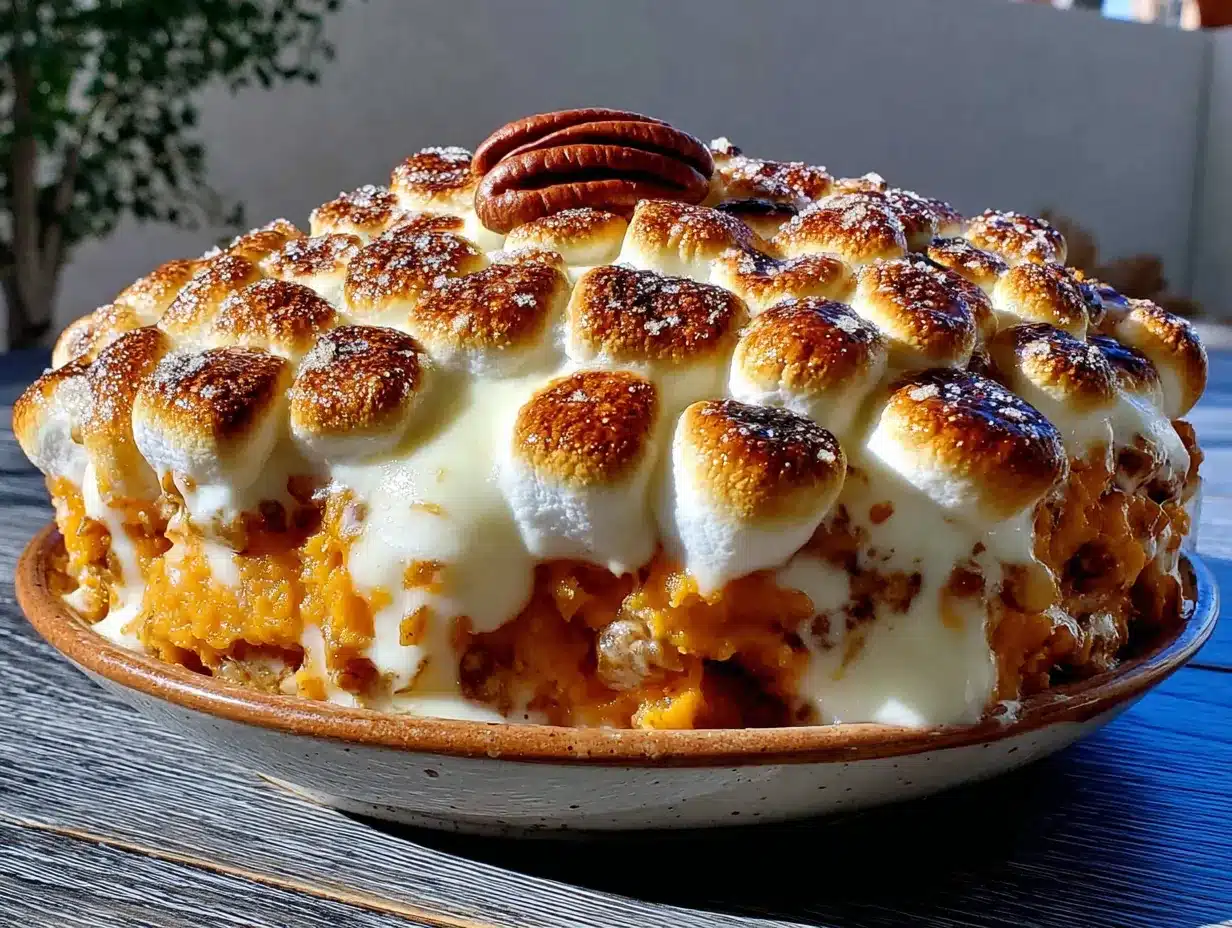
- Unbelievably Delicious: The texture is what gets me every time—silky smooth sweet potatoes underneath a layer of golden, toasted marshmallows. The contrast between the creamy base and the sticky, caramelized top is pure comfort food magic. It’s simple, but it’s perfect.
What makes this recipe different from the rest? It’s the technique. By boiling the sweet potatoes instead of roasting them, you get a smoother, creamier texture without needing to add a ton of extra fat or sugar. And using the cooking water to adjust the consistency keeps things light and natural. This isn’t just another version of sweet potato casserole—it’s the easiest, most reliable one you’ll ever make.
This recipe is the kind that makes you close your eyes after the first bite. It’s comfort food reimagined—simpler, faster, but with the same soul-soothing satisfaction. Perfect for impressing guests without stress, or turning a simple family meal into something memorable.
What Ingredients You Will Need
This recipe uses simple, wholesome ingredients to deliver that sweet, creamy, and gooey texture everyone loves. You don’t need a long shopping list or any fancy specialty items. Here’s what you’ll need and a little bit about why each ingredient matters.
- 3 to 4 large sweet potatoes (about 2 to 2.5 pounds total): This is the heart of the dish. Look for sweet potatoes that are firm, smooth, and free of soft spots or cracks. I prefer the orange-fleshed varieties like Beauregard or Jewel because they’re naturally sweeter and mash up beautifully. You can use yams here too, but they tend to be a bit starchier. (I personally find the orange sweet potatoes give the best creamy texture.)
- 1 to 2 tablespoons unsalted butter or coconut oil: This is optional, but it adds a lovely richness to the mashed sweet potatoes. If you’re trying to keep things dairy-free, coconut oil works wonderfully and adds a subtle hint of flavor. I’ve also used a splash of heavy cream on special occasions, but honestly, you don’t need it. The sweet potatoes are creamy enough on their own if you mash them well.
- 2 to 3 cups mini marshmallows (or regular marshmallows, cut in half): The star of the show! Mini marshmallows are my go-to because they melt evenly and create that perfect golden crust. If you only have regular marshmallows, just snip them in half with kitchen shears—it’s faster than using a knife. I’ve tried homemade marshmallows once, and while they were delicious, the store-bought ones toast more consistently. Plus, they’re what most of us have in the pantry.
- Salt (a pinch): Don’t skip this. A tiny pinch of salt balances the sweetness and brings out the natural flavor of the sweet potatoes. It makes a bigger difference than you’d think.
- Optional: 1 to 2 tablespoons maple syrup or brown sugar: If your sweet potatoes aren’t super sweet, or if you have a serious sweet tooth, you can add a little extra sweetness. I usually don’t need it, but my sister-in-law always adds a tablespoon of brown sugar to hers. Taste your mashed sweet potatoes first and decide.
- Optional: 1/2 teaspoon cinnamon or pumpkin pie spice: This is a nice touch if you’re making the casserole for a fall gathering or Thanksgiving. It adds warmth and depth. I sometimes sprinkle a little cinnamon on top of the marshmallows before baking for an extra layer of flavor.
When it comes to ingredient selection, I’ve found that fresher sweet potatoes really do make a difference. If they’ve been sitting in your pantry for months, they can get woody and dry. Try to use them within a week or two of buying for the best texture. And for the marshmallows, any brand works fine—I usually grab whatever’s on sale. Just make sure they’re fresh and soft, not stale and hard.
For substitutions, this recipe is very forgiving. You can use butternut squash instead of sweet potatoes for a slightly different flavor. If you’re avoiding marshmallows, try a crumble topping made with oats, butter, and brown sugar. And for a vegan version, use coconut oil and check that your marshmallows are vegan-friendly (some brands use gelatin).
Equipment Needed
You don’t need a fully stocked professional kitchen to make this casserole. Here’s what you’ll need, along with some tips from my own experience.
- Large pot (4 to 6 quarts): For boiling the sweet potatoes. I use my old stainless steel stockpot, but any large pot will do. Just make sure it’s big enough that the potatoes have room to move around a bit. A crowded pot can lead to uneven cooking.
- Colander: For draining the cooked sweet potatoes. A simple mesh colander works best, but a regular one is fine too.
- Mixing bowl: For mashing the sweet potatoes. I like using a large glass or ceramic bowl because it holds heat well, but any bowl works.
- Potato masher or fork: For mashing. A potato masher gives you a smoother texture with less effort, but a sturdy fork works in a pinch. I’ve even used a hand mixer when I was in a hurry—just be careful not to overmix, or the potatoes can get gummy.
- Baking dish (8×8 inch or 9×9 inch): For baking the casserole. An 8×8 dish gives you a thicker casserole, while a 9×9 dish spreads it out a bit more. Both work great. If you’re doubling the recipe, use a 9×13 dish.
- Spatula or wooden spoon: For spreading the mashed sweet potatoes evenly in the dish. A rubber spatula makes it easy to scrape every last bit out of the bowl.
- Oven: Preheated to 375°F (190°C). A conventional oven works perfectly. If you’re using a convection oven, reduce the temperature by about 25°F and keep an eye on the marshmallows so they don’t burn.
Budget-friendly tip: You don’t need anything fancy here. I made this recipe for years with just a pot, a fork, and a baking dish from the dollar store. The only thing I’d recommend spending a little extra on is a good potato masher if you make mashed potatoes often. It’s a small investment that makes a big difference in texture.
Preparation Method
Let’s get cooking. This recipe is straightforward, but I’ll walk you through each step with the little tricks I’ve picked up along the way. The total time is about 45 minutes, with only about 10 minutes of active work.
- Preheat your oven to 375°F (190°C). Get this going first so it’s ready when you need it. While the oven heats, fill your large pot with enough water to cover the sweet potatoes by about an inch. Set it on the stove over high heat to start boiling.
- Peel and chop the sweet potatoes. Wash your sweet potatoes thoroughly, then peel them with a vegetable peeler or a sharp knife. Cut them into 1 to 2-inch chunks. Try to make the pieces roughly the same size so they cook evenly. I’ve learned this the hard way—some chunks were mushy while others were still hard in the middle. (Pro tip: If you’re short on time, you can leave the skins on for extra fiber, but the texture won’t be as smooth. I prefer peeled for this recipe.)
- Boil the sweet potatoes. Carefully add the chopped sweet potatoes to the boiling water. Reduce the heat to medium-high so the water stays at a gentle boil—not a violent rolling boil that breaks the potatoes apart. Cook for about 15 to 20 minutes, or until the potatoes are fork-tender. You should be able to easily pierce a chunk with a fork, and it should slide off without resistance. If it’s still firm in the center, give it another 5 minutes.
- Drain and mash. Once the sweet potatoes are tender, drain them in your colander. Let them sit for a minute or two to allow excess steam to escape. Transfer them to your mixing bowl. Add a pinch of salt and your butter or coconut oil (if using). Mash everything together until smooth. I like to leave a few small lumps for texture, but you can make it completely smooth if you prefer. If the mixture seems too thick, add a tablespoon or two of the reserved cooking water—this adds creaminess without extra fat. (You can also use milk or cream here, but I find the potato water works beautifully.)
- Transfer to baking dish. Grease your baking dish lightly with butter or cooking spray. Spread the mashed sweet potatoes evenly in the dish using your spatula. Smooth the top so it’s level—this helps the marshmallows melt evenly. At this point, you can cover the dish and refrigerate it for up to 24 hours if you’re prepping ahead. Just let it sit at room temperature for 15 minutes before baking.
- Top with marshmallows. This is the fun part. Sprinkle the mini marshmallows evenly over the mashed sweet potatoes. Don’t pile them too high in one spot—try to cover the entire surface in a single layer. If you’re using regular marshmallows cut in half, arrange them cut-side down for better melting. I usually use about 2 cups, but you can add more if you want an extra gooey topping. (My kids always insist on a thick marshmallow layer.)
- Bake until golden. Place the dish in the preheated oven and bake for 15 to 20 minutes. You’re looking for the marshmallows to be puffed up and golden brown on top. Keep an eye on them after the 12-minute mark—marshmallows can go from perfectly toasted to burnt very quickly. The sweet potatoes should be heated through. If the marshmallows are browning too fast but the casserole isn’t hot yet, tent a piece of foil loosely over the top and continue baking.
- Let it rest and serve. Remove the casserole from the oven and let it sit for about 5 minutes. This allows the marshmallows to set slightly so they don’t slide off when you serve it. The filling will also firm up a bit, making it easier to scoop. Serve warm, and watch it disappear.
One more thing—if you’re making this for a holiday dinner and want to free up oven space, you can boil and mash the sweet potatoes a day ahead. Just store the mashed potatoes in the fridge in your baking dish, then add the marshmallows and bake right before serving. It’s a total lifesaver on Thanksgiving morning.
Cooking Tips & Techniques
Over the years, I’ve made this casserole more times than I can count, and I’ve definitely had my share of mishaps. Here are the tips I wish someone had told me when I first started making it.
Don’t overboil the sweet potatoes. I know this sounds basic, but it’s easy to let them go too long. If you boil them until they’re falling apart, they’ll absorb too much water and your casserole will be watery. Test them with a fork starting at the 15-minute mark. They should be tender but still hold their shape. If you accidentally overboil them, just drain them well and let them sit in the colander for a few extra minutes to release steam and excess moisture.
Season the mash properly. Sweet potatoes need salt to taste their best. I know it sounds weird to add salt to something sweet, but trust me on this. A pinch of salt brightens the flavor and makes the sweetness more pronounced. I also like to add a tiny dash of black pepper sometimes—it sounds strange, but it adds a subtle warmth that pairs beautifully with the marshmallows.
Watch the marshmallows like a hawk. This is the most important tip. Marshmallows go from perfectly golden to black and bitter in about 30 seconds. Set a timer for 15 minutes, then start checking every 2 minutes after that. If you see them getting too dark on one side but not the other, rotate the dish. And if they’re browning unevenly, your oven might have hot spots—I learned this after burning three batches in a row before realizing my oven runs hot on the left side.
Let the casserole rest before serving. I know it’s tempting to dig in right away, but letting it sit for 5 minutes makes a huge difference. The marshmallows will be less likely to slide off, and the filling will hold its shape better. Plus, it gives you a chance to set the table or finish up the rest of the meal.
Make extra for leftovers. This casserole reheats beautifully, which is great for busy families. The marshmallows won’t be as crispy the next day, but the flavor is still amazing. I usually make a double batch on purpose so we can have it with lunch the next day. My kids actually fight over the leftovers.
Variations & Adaptations
One of the best things about this recipe is how easy it is to change up. Here are some of my favorite variations, whether you’re cooking for dietary needs or just want to try something new.
Savory-Sweet Twist: Add some crispy bacon crumbles on top of the marshmallows before baking. The salty, smoky flavor contrasts beautifully with the sweet potatoes and marshmallows. I tried this on a whim one Thanksgiving when I had leftover bacon, and it was a huge hit. You can also mix a little crumbled bacon into the mashed sweet potatoes for extra flavor.
Crunchy Topping: If you want some texture contrast, swap half the marshmallows for a crunchy topping. Mix together 1/2 cup chopped pecans or walnuts, 1/4 cup brown sugar, and 2 tablespoons melted butter. Sprinkle this over the sweet potatoes, then add the marshmallows on top. The nuts get toasty and add a lovely crunch. My husband prefers this version, so I often make it for him on his birthday.
Vegan-Friendly Version: Use coconut oil instead of butter, and make sure your marshmallows are vegan. There are several brands now that make gelatin-free marshmallows, and they toast up just as nicely. You can also skip the marshmallows entirely and use a brown sugar and oat crumble topping instead. I’ve made this for vegan friends, and nobody missed the marshmallows.
Spiced-Up Version: Add 1 teaspoon of pumpkin pie spice or a mix of cinnamon, nutmeg, and ginger to the mashed sweet potatoes. This gives the casserole a warm, cozy flavor that’s perfect for fall. I sometimes add a splash of vanilla extract too—just a teaspoon makes the sweetness taste more complex.
Lower Sugar Option: If you’re watching your sugar intake, you can reduce the marshmallows by half and use a sprinkle of cinnamon and a drizzle of honey instead. The sweet potatoes are naturally sweet, so you might not miss the extra sugar at all. I’ve made this version for my dad, who has diabetes, and he loved it.
Serving & Storage Suggestions
This casserole is versatile enough to fit into almost any meal. Here’s how I like to serve it and keep it fresh.
Serving Temperature: Serve this casserole warm, straight from the oven. The marshmallows are at their gooey best when they’re fresh and hot. If you’re serving it as part of a larger meal, time it so it comes out of the oven right when everyone sits down. It pairs beautifully with roasted turkey, ham, meatloaf, or even grilled chicken. For a holiday table, I love serving it alongside green bean casserole and mashed potatoes.
Presentation: For a prettier presentation, sprinkle a little cinnamon or nutmeg over the marshmallows just before serving. You can also add a few fresh rosemary sprigs or a dusting of powdered sugar for a festive touch. If you’re bringing it to a potluck, keep the dish covered with foil until you arrive, then pop it in the host’s oven for 5 minutes to reheat the marshmallows.
Storage: Leftovers can be stored in an airtight container in the refrigerator for up to 4 days. The marshmallows will soften and lose their toasted texture, but the flavor will still be delicious. To reheat, place individual portions in the microwave for 30 to 60 seconds, or reheat the whole dish in a 350°F oven for 10 to 15 minutes. If you want to restore some of the crunch, pop it under the broiler for a minute or two, but watch it carefully.
Freezing: This casserole freezes surprisingly well. Prepare the mashed sweet potatoes and spread them in your baking dish, but don’t add the marshmallows. Cover tightly with foil and freeze for up to 3 months. When you’re ready to bake, thaw it in the refrigerator overnight, then add the marshmallows and bake as directed. The texture will be just as good as fresh. I’ve done this for Thanksgiving prep, and it’s a huge time-saver.
Flavor Development: Like many casseroles, this one tastes even better the next day. The flavors have time to meld, and the sweetness becomes more mellow and complex. I actually prefer the leftovers for lunch the next day—cold or reheated, it’s still amazing.
Nutritional Information & Benefits
While this is definitely a treat, it does have some nutritional perks worth mentioning. Here’s a rough breakdown per serving (based on 6 servings).
- Calories: Approximately 220-280 calories per serving (depending on butter and marshmallow amount)
- Carbohydrates: 45-55g (mostly from natural sugars in sweet potatoes and marshmallows)
- Fiber: 4-6g (sweet potatoes are an excellent source of fiber)
- Vitamin A: Over 400% of your daily needs (sweet potatoes are packed with beta-carotene)
- Vitamin C: About 20% of your daily needs
- Potassium: More than a banana per serving
Sweet potatoes are a nutritional powerhouse. They’re loaded with vitamin A, which is great for eye health and immune function. They also contain antioxidants that help fight inflammation. The fiber content helps with digestion and keeps you feeling full longer. Even with the marshmallows, this dish is a better choice than many other sweet side dishes because the base is so nutrient-dense.
Dietary Considerations: This recipe can be made gluten-free (just check your marshmallow brand, as some contain wheat starch). It’s naturally nut-free unless you add the pecan topping. For a lower-sugar version, reduce the marshmallows or use a sugar substitute in the mash. As always, check your specific dietary needs and adjust accordingly.
Conclusion
This easy 3-ingredient marshmallow sweet potato casserole has become a staple in my kitchen, and I have a feeling it will become one in yours too. It’s the recipe I turn to when I need something impressive but don’t have the time or energy for a complicated dish. It’s the dish that saved me at that potluck, and it’s the one my kids request for their birthday dinners. It’s proof that you don’t need a long list of ingredients or hours of prep to create something truly special.
I encourage you to make this recipe your own. Add a little cinnamon if that’s your thing, throw on some pecans for crunch, or keep it simple with just the sweet potatoes and marshmallows. However you make it, I promise it’ll be delicious. And if your family is anything like mine, they’ll be asking for it again and again.
I’d love to hear how it turns out for you! Drop a comment below and let me know if your kids approved, or if you came up with a fun variation I haven’t tried yet. Don’t forget to share this recipe with a friend who needs a last-minute potluck win. Happy cooking, and remember—sometimes the simplest recipes are the ones that steal the show.
Frequently Asked Questions
Can I use canned sweet potatoes instead of fresh?
Yes, you can use canned sweet potatoes in a pinch. Drain them well and mash them as you would fresh. The texture will be softer and slightly wetter, so you may need to cook the casserole a few minutes longer to evaporate excess moisture. I prefer fresh for the best texture, but canned works fine for a quick meal.
How do I prevent the marshmallows from burning?
Keep a close eye on the casserole during the last 5 minutes of baking. If the marshmallows are browning too quickly, tent a piece of foil loosely over the top. You can also position your oven rack in the middle of the oven rather than the top to prevent direct heat from scorching the marshmallows.
Can I make this casserole ahead of time?
Absolutely. Prepare the mashed sweet potatoes and spread them in your baking dish up to 24 hours in advance. Cover and refrigerate. When you’re ready to bake, let it sit at room temperature for 15 minutes, then add the marshmallows and bake as directed. You may need to add 5 to 10 minutes to the baking time since the potatoes will be cold.
What can I use instead of marshmallows?
If you’re not a fan of marshmallows, try a crunchy topping instead. Mix together 1/2 cup brown sugar, 1/2 cup chopped pecans or walnuts, and 2 tablespoons melted butter. Sprinkle this over the sweet potatoes and bake until bubbly and golden. You can also use a simple streusel topping made with oats, flour, butter, and brown sugar.
Is this recipe gluten-free?
Yes, this recipe is naturally gluten-free as long as you check your marshmallow brand. Most standard marshmallows are gluten-free, but some may contain wheat starch or be processed in facilities that handle wheat. Always read the label to be sure. The sweet potatoes themselves are naturally gluten-free.
Pin This Recipe!
Easy 3-Ingredient Marshmallow Sweet Potato Casserole
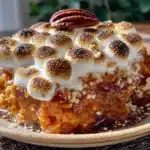
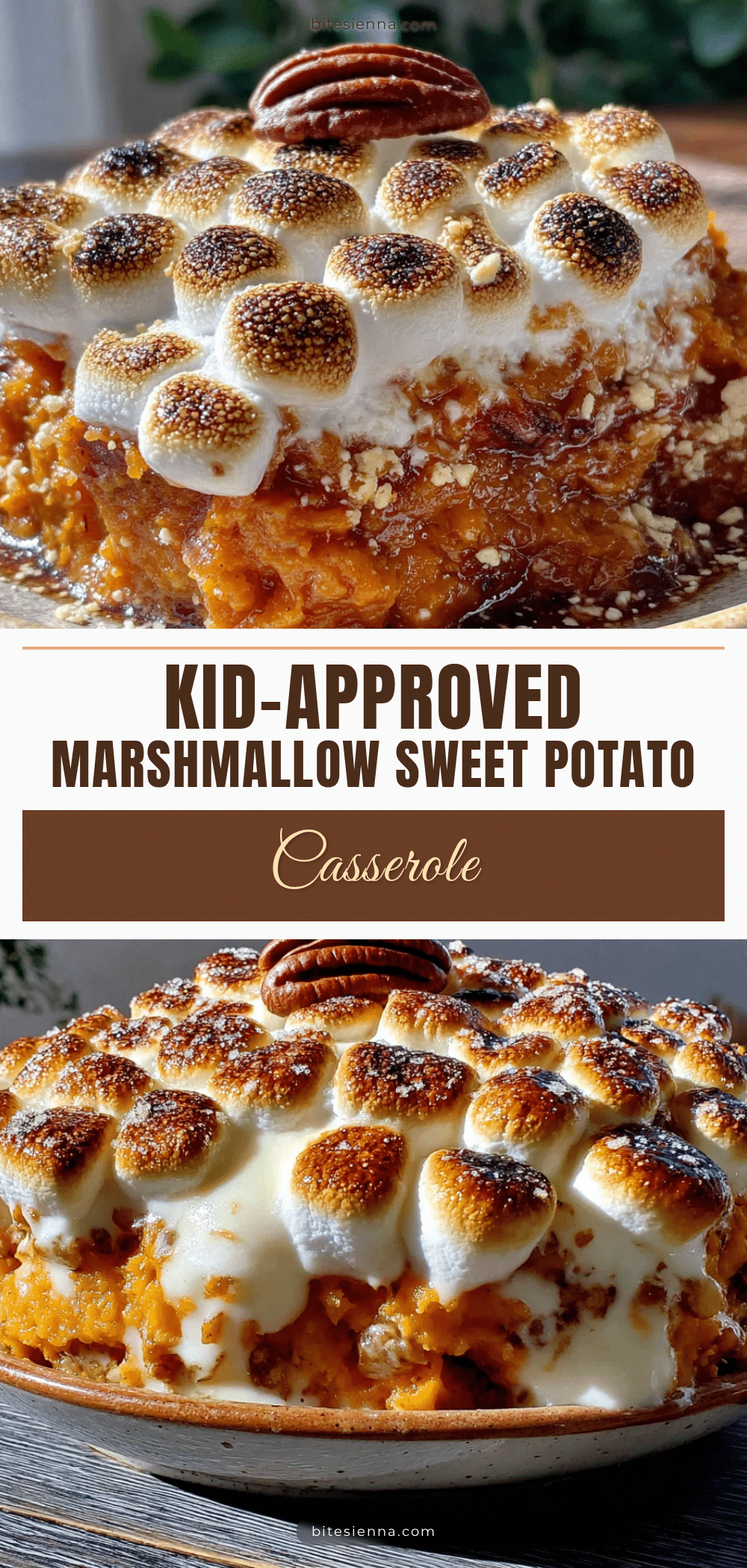
This easy 3-ingredient marshmallow sweet potato casserole is a quick and delicious side dish perfect for potlucks, family dinners, or holidays. With creamy sweet potatoes and a gooey toasted marshmallow topping, it’s a crowd-pleaser that comes together in under an hour.
- Prep Time: 10 minutes
- Cook Time: 35 minutes
- Total Time: 45 minutes
- Yield: 6 servings 1x
- Category: Side Dish
- Cuisine: American
Ingredients
- 3 to 4 large sweet potatoes (about 2 to 2.5 pounds total)
- 1 to 2 tablespoons unsalted butter or coconut oil
- 2 to 3 cups mini marshmallows (or regular marshmallows, cut in half)
- Salt (a pinch)
- Optional: 1 to 2 tablespoons maple syrup or brown sugar
- Optional: 1/2 teaspoon cinnamon or pumpkin pie spice
Instructions
- Preheat your oven to 375°F (190°C). Fill a large pot with enough water to cover the sweet potatoes by about an inch and bring to a boil.
- Peel and chop the sweet potatoes into 1 to 2-inch chunks.
- Add the sweet potatoes to the boiling water. Reduce heat to medium-high and cook for 15 to 20 minutes, until fork-tender.
- Drain the sweet potatoes and let them sit for a minute or two. Transfer to a mixing bowl. Add a pinch of salt and butter or coconut oil (if using). Mash until smooth, adding a tablespoon or two of reserved cooking water if needed.
- Grease an 8×8 inch or 9×9 inch baking dish. Spread the mashed sweet potatoes evenly in the dish.
- Sprinkle the mini marshmallows evenly over the sweet potatoes in a single layer.
- Bake for 15 to 20 minutes, until the marshmallows are puffed and golden brown. Watch closely after 12 minutes to prevent burning.
- Let the casserole rest for 5 minutes before serving. Serve warm.
Notes
For best results, don’t overboil the sweet potatoes. Watch the marshmallows closely as they can burn quickly. Let the casserole rest before serving to allow the marshmallows to set. Leftovers can be stored in the refrigerator for up to 4 days and reheated in the microwave or oven.
Nutrition
- Serving Size: 1 serving (about 1/6
- Calories: 250
- Sugar: 25
- Sodium: 150
- Fat: 4
- Saturated Fat: 2
- Carbohydrates: 50
- Fiber: 5
- Protein: 2
Keywords: sweet potato casserole, marshmallow sweet potato, easy side dish, holiday side dish, 3-ingredient recipe