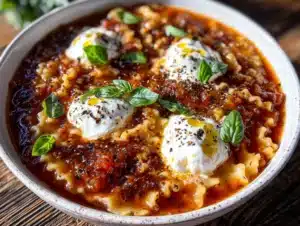
The neighborhood potluck was in four hours and I’d completely forgotten. Everyone else would be bringing their signature dishes—Maria’s famous lasagna, Tom’s grilled salmon with dill sauce, and Mrs. Patterson’s triple-layer chocolate cake that she spends two days on. I had a jar of sourdough discard sitting in my fridge, a bag of flour, and honestly, a growing sense of panic. I mean, what was I supposed to do with that?
Then I remembered this easy no-knead sourdough discard focaccia recipe I’d been tinkering with. The one that comes together in about an hour, no stand mixer required, and uses up that sourdough discard you feel guilty about throwing away. Let me tell you, I wasn’t confident. Focaccia seemed like something that should take hours—all that rising and folding and careful handling. But I was out of options, so I grabbed my bowl and got to work.
The dough came together in maybe five minutes. I dumped in the discard, added some flour and water, gave it a lazy stir with a wooden spoon, and let it sit. No kneading, no fancy techniques, just time doing the work for me. I dimpled the dough with my fingers—which is honestly my favorite part—drizzled on some good olive oil, and threw it in the oven. When it came out, golden and puffy with those perfect crispy edges, I almost couldn’t believe it. That focaccia won the potluck. Not because it was fancy, but because it was simple in the best way. People kept asking for the recipe, and I kept saying, “You won’t believe how easy it is.” Maybe you’ve been in that same spot—wanting to bring something homemade but running low on time and ingredients. This is the recipe that saves you every time.
Why You’ll Love This Recipe
Let me be straight with you—I’ve tested this recipe more times than I can count, and it never lets me down. It’s the kind of bread that makes you look like a hero with almost zero effort.
- Quick & Easy : From start to finish, you’re looking at about an hour. No overnight rises, no complicated folds, no stressing about hydration percentages. Mix, rest, bake, done.
- Simple Ingredients : You need flour, water, olive oil, salt, and that sourdough discard sitting in your fridge. That’s it. No yeast packets to hunt down, no specialty flours unless you want them.
- Perfect for Using Up Discard : If you keep a sourdough starter, you know the struggle. This recipe happily absorbs up to a cup of discard, turning what feels like waste into something beautiful.
- Crowd-Pleaser : I’ve brought this to parties, served it alongside soup, and watched it disappear at brunch. Kids love the dimpled surface. Adults love the olive oil crust. Everyone wins.
- Unbelievably Delicious : The texture is what gets me every time—crispy on the bottom, soft and airy in the middle, with those little pools of olive oil that soak into the dough. It’s comfort food that feels special.
What makes this different from other focaccia recipes is the sourdough discard. It adds a subtle tang that balances the richness of the olive oil, plus it gives the bread a slightly chewier texture. I’ve tried versions with commercial yeast, and honestly, they’re fine. But this one? It has personality. It’s the kind of bread that makes you close your eyes after the first bite, and I’m not exaggerating.
This recipe isn’t just good—it’s the one you’ll make when you want to impress without the stress. It’s weeknight bread. It’s last-minute bread. It’s “I forgot I was supposed to bring something” bread. And honestly, that’s the best kind.
What Ingredients You Will Need
This recipe uses simple, everyday ingredients to create something genuinely special. Most of these are probably in your kitchen right now, which is exactly how I like it.
- All-purpose flour – 3 cups (375 grams). I use King Arthur Flour for consistent results, but any brand works. Bread flour will give you a chewier texture if that’s your thing.
- Sourdough discard – 1 cup (240 grams), straight from the fridge. It doesn’t need to be active or bubbly—that’s the beauty of discard recipes. Mine has been sitting in there for a week sometimes, and it still works perfectly.
- Warm water – 1 cup (240 ml), about 90-100°F. Not hot, not cold. Think warm bath temperature. If you kill the discard with heat, the focaccia won’t rise properly.
- Olive oil – 1/4 cup (60 ml) for the dough, plus more for the pan and topping. Use a good quality extra virgin olive oil if you can—it makes a real difference in flavor. I like California Olive Ranch for everyday baking.
- Salt – 1 1/2 teaspoons (9 grams). I use fine sea salt. If you’re using kosher salt, you might need a bit more.
- Flaky sea salt – For sprinkling on top. Maldon is my go-to. It adds that perfect crunch and burst of saltiness.
- Optional toppings – Fresh rosemary, cherry tomatoes, olives, garlic cloves, or whatever you have on hand. I love halved cherry tomatoes pressed into the dough—they get jammy and sweet in the oven.
A quick note on the sourdough discard: if yours has been sitting in the fridge for a while and has a layer of liquid on top, just stir it back in. That liquid is called hooch, and it’s totally normal. It adds even more flavor to the bread. If it smells like acetone or nail polish remover, don’t worry—that’s just the discard being hungry. It’s still perfectly fine to use.
For substitutions, you can swap up to half the all-purpose flour with whole wheat flour for a nuttier flavor. Just add an extra tablespoon of water since whole wheat absorbs more liquid. If you’re gluten-free, this recipe won’t work as written—you’d need a gluten-free flour blend designed for yeast breads, and I’d recommend finding a recipe specifically developed for that.
Equipment Needed
One of the best things about this recipe is how little equipment it requires. You don’t need a stand mixer, a bread lame, or any of that fancy stuff.
- Large mixing bowl – Any bowl works, but I prefer a wide one for easier mixing. My favorite is a ceramic bowl I picked up at a thrift store for three dollars.
- Wooden spoon or spatula – For stirring the dough. A sturdy wooden spoon is perfect. I’ve used the same one for years, and it’s got that nice worn-in feel.
- 9×13-inch baking pan – Metal or glass both work. I prefer metal because it conducts heat better and gives a crispier bottom crust. If you use glass, reduce the oven temperature by 25°F.
- Plastic wrap or a clean kitchen towel – For covering the dough while it rests. I use a lightweight cotton towel that I keep specifically for bread making.
- Measuring cups and spoons – For accuracy, though I’ll admit I sometimes eyeball the olive oil. A kitchen scale is nice for the flour but not essential.
- Cooling rack – Optional but helpful for keeping the bottom crust crisp. If you don’t have one, just let the focaccia cool in the pan for 10 minutes, then transfer to a cutting board.
That’s really it. No stand mixer, no dough scraper, no proofing basket. This is minimalist bread making at its finest, and honestly, I find that freeing. Less equipment means less cleanup, and less cleanup means I’m more likely to make it again.
Preparation Method
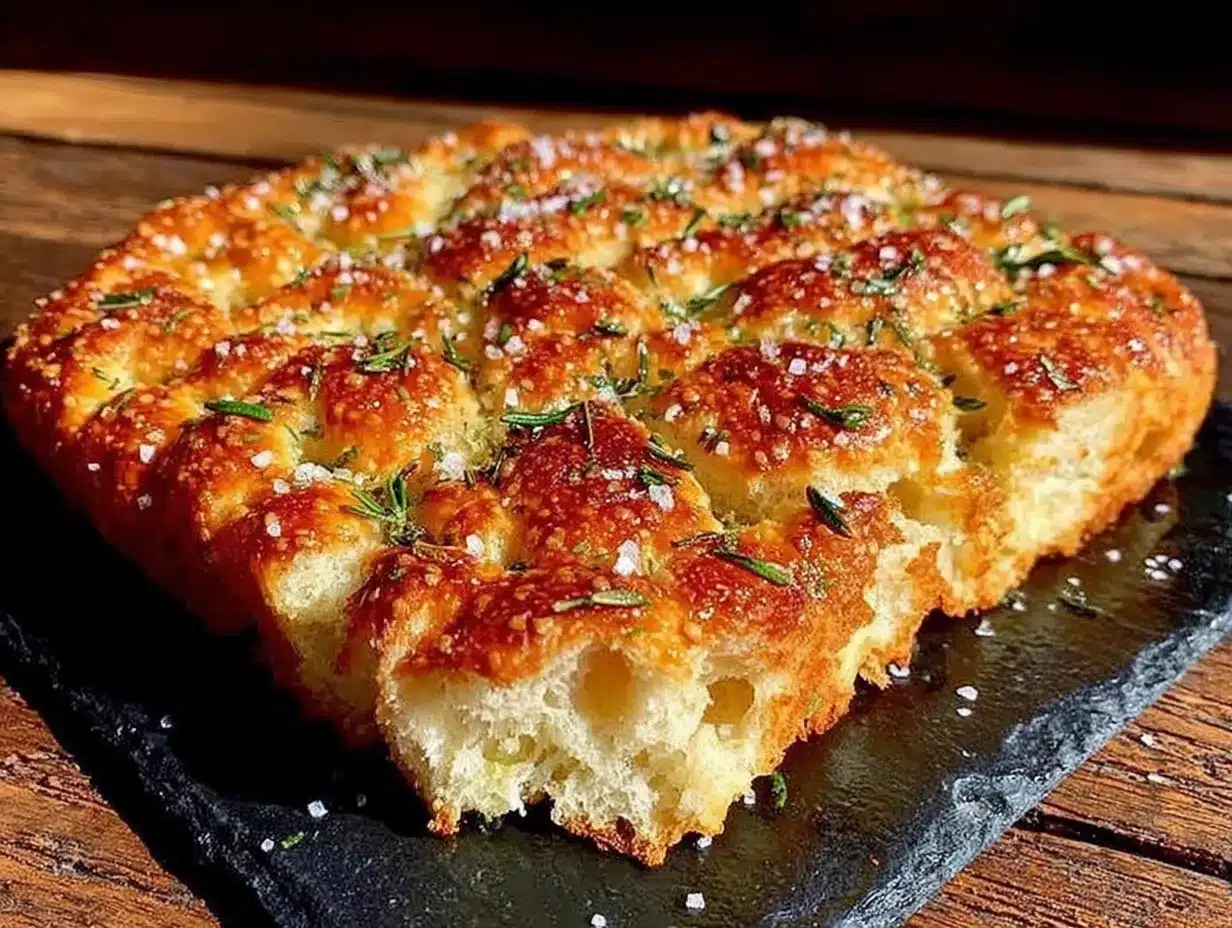
Let me walk you through this step by step. I’ve made this recipe dozens of times, so I’ll share all the little tricks I’ve picked up along the way.
- Mix the dough (5 minutes)
In your large mixing bowl, combine the flour and salt. Give it a quick stir with your spoon. Make a well in the center, then add the sourdough discard, warm water, and 1/4 cup olive oil. Stir everything together until you have a shaggy, sticky dough. Don’t overmix—just get it combined. It’ll look rough and uneven, and that’s exactly right. If the dough seems too dry, add another tablespoon of water. If it’s too wet, add a tablespoon of flour. Dough consistency varies based on your discard’s hydration. - Let it rest (30-40 minutes)
Cover the bowl with plastic wrap or a clean towel. Let it sit at room temperature for 30 to 40 minutes. During this time, the flour absorbs the liquid, the gluten relaxes, and the discard starts working its magic. You won’t see huge bubbles like with active yeast bread, but the dough will become smoother and slightly puffy. I usually set a timer and go unload the dishwasher or fold laundry. It’s nice to have a recipe that doesn’t demand constant attention. - Prepare the pan (2 minutes)
While the dough rests, pour about 2 tablespoons of olive oil into your 9×13-inch baking pan. Use your fingers to spread it all over the bottom and up the sides. Don’t skimp here—the oil helps create that crispy, golden crust and prevents sticking. If you’re adding toppings like rosemary or garlic, you can scatter them in the pan now or save them for later. - Transfer the dough (2 minutes)
Use a spatula or your hands to scrape the dough into the oiled pan. It’ll be sticky, so don’t fight it. Just plop it in the center. Don’t try to spread it out yet—you’ll do that in the next step. - Stretch and dimple (5 minutes)
Here’s where it gets fun. Drizzle another tablespoon of olive oil over the dough. Then, using your fingertips, gently press and stretch the dough to fill the pan. Work from the center outward, pressing dimples into the dough as you go. The oil on your fingers prevents sticking. If the dough resists or springs back, let it rest for 5 minutes and try again. You want it evenly spread, about 1/2 to 3/4 inch thick. Don’t worry if it’s not perfect—focaccia is supposed to look rustic. The dimples are where the olive oil pools during baking, creating those irresistible crispy spots. - Add toppings (3 minutes)
Now’s the time to get creative. Press halved cherry tomatoes into the dough, tuck in rosemary sprigs, scatter sliced olives, or add thin slivers of garlic. Sprinkle generously with flaky sea salt. The salt is crucial—it balances the olive oil and enhances every flavor. I use a heavy hand here. - Bake (20-25 minutes)
Preheat your oven to 425°F (220°C) while the dough rests. Place the pan on the middle rack and bake for 20 to 25 minutes. The focaccia is done when it’s deep golden brown on top and sounds hollow when you tap it. The edges should be crispy and pulling away from the pan slightly. Every oven runs differently, so start checking at 20 minutes. My oven runs hot, so I usually pull mine at 22 minutes. - Cool and serve (10 minutes)
Remove the pan from the oven and let the focaccia cool for 5 to 10 minutes. Run a spatula around the edges to loosen it, then transfer to a cooling rack or cutting board. If you’re serving it warm, cut it into squares or rectangles with a serrated knife. The aroma at this point is absolutely intoxicating—that combination of olive oil, toasted bread, and whatever toppings you chose.
A few things I’ve learned the hard way: don’t rush the resting time. That 30 to 40 minutes is non-negotiable for the texture. Also, use enough olive oil in the pan. The first time I made this, I was stingy with the oil, and the bottom crust came out pale and tough. Now I’m generous, and the difference is night and day.
Cooking Tips & Techniques
After making this recipe more times than I can count, I’ve gathered some wisdom that’ll save you from my early mistakes.
Temperature matters. If your water is too hot, it can kill the beneficial bacteria in the sourdough discard. If it’s too cold, the dough won’t relax properly. Aim for that 90-100°F sweet spot. I test it on my wrist—if it feels neutral, not hot or cold, it’s perfect.
Don’t overthink the dimpling. I used to try to make perfect, evenly spaced dimples. Now I just go at it with enthusiasm. Press firmly enough that your fingers reach the bottom of the pan, creating deep wells. Those wells fill with oil and create the signature focaccia texture. Light dimples don’t do much.
Let the dough tell you what it needs. If it’s springing back when you try to stretch it, it needs more rest. Cover it and wait 10 minutes. This happened to me once when I was rushing, and I ended up with a dense, uneven focaccia. Patience pays off here.
Use room temperature discard. I know I said cold discard works, and it does. But if you have time, let it sit out for 30 minutes before mixing. Room temperature discard incorporates more easily and gives a slightly better rise. I don’t always remember to do this, and it still works fine, but it’s a nice touch.
Watch the bottom crust. If your focaccia is golden on top but pale on the bottom, your oven rack might be too high. Move it to the middle or lower third of the oven. Also, metal pans give better bottom browning than glass or ceramic. I learned this after several batches with pale, sad bottoms.
Multitask strategically. While the dough rests, prep your toppings and clean up your mixing bowl. While it bakes, make a salad or soup to serve alongside. This recipe fits beautifully into a busy schedule because most of the time is passive.
Variations & Adaptations
This recipe is incredibly forgiving, which makes it perfect for experimenting. Here are some variations I’ve tried and loved.
Herb and Garlic Focaccia. This is my most-requested version. After dimpling the dough, press thin slices of garlic into the dimples and scatter fresh rosemary and thyme over the top. The garlic roasts and sweetens in the oven, and the herbs infuse the olive oil. I serve this alongside pasta or tomato soup, and it disappears fast.
Tomato and Olive Focaccia. Halved cherry tomatoes and kalamata olives pressed into the dough before baking. The tomatoes get jammy and concentrated, and the olives add a briny punch. I sprinkle a little dried oregano on top for extra Mediterranean flavor. This version is perfect for summer when tomatoes are at their peak.
Everything Bagel Focaccia. After dimpling, brush the top with a little beaten egg white (or just water if you want to keep it vegan) and sprinkle generously with everything bagel seasoning. The sesame seeds, poppy seeds, garlic flakes, and onion flakes toast beautifully in the oven. This is my go-to for breakfast or brunch, served alongside scrambled eggs.
Cheese Lover’s Focaccia. Sprinkle shredded Parmesan or pecorino over the dough before baking. For extra indulgence, dot the surface with small cubes of fresh mozzarella. The cheese gets crispy and golden in spots, creating little pockets of savory goodness. I make this when I want something extra decadent.
Sweet Focaccia. Yes, this works for dessert too. Omit the salt topping and instead sprinkle the baked focaccia with cinnamon sugar and a drizzle of honey. I’ve also tried it with sliced apples and a crumble topping. It’s not traditional, but it’s delicious in its own way.
Serving & Storage Suggestions
This focaccia is at its absolute best warm from the oven, but it’s still wonderful at room temperature. The texture changes slightly as it cools—the crust softens a bit, and the interior becomes more tender.
How to serve. Cut it into squares or rectangles and serve as a side dish with soups, salads, or pasta. It’s also fantastic as a sandwich bread—slice a piece horizontally and fill it with roasted vegetables, fresh mozzarella, and pesto. For appetizers, cut it into small cubes and serve with marinara sauce for dipping. I’ve also used it as a base for bruschetta, topped with diced tomatoes, basil, and a drizzle of balsamic glaze.
What to pair it with. A bowl of tomato basil soup is the classic pairing, and for good reason—the focaccia is perfect for dipping. It also pairs beautifully with minestrone, roasted vegetable soup, or a simple green salad with lemon vinaigrette. For a heartier meal, serve it alongside grilled chicken or fish. And honestly, it’s pretty great on its own with a glass of wine.
Storage instructions. Store leftover focaccia in an airtight container at room temperature for up to 2 days. Don’t refrigerate it—the cold air dries out the bread and makes it stale faster. If you need to keep it longer, freeze it.
Freezing tips. Wrap the cooled focaccia tightly in plastic wrap, then in aluminum foil. Freeze for up to 3 months. To reheat, unwrap and place directly in a 350°F oven for 10 to 15 minutes, or until warmed through and crispy. I’ve also reheated individual pieces in a toaster oven with great results. The texture comes back remarkably well.
Reheating methods. For the best texture, reheat in the oven or toaster oven. The microwave will make it soft and chewy, which isn’t ideal. If you’re in a hurry, you can microwave it for 15 seconds, then finish it in a hot skillet for a minute per side to crisp the crust.
Nutritional Information & Benefits
Here’s the approximate nutritional breakdown for one serving (1/8 of the recipe, without toppings):
| Nutrient | Amount |
|---|---|
| Calories | 220 |
| Total Fat | 10g |
| Saturated Fat | 1.5g |
| Carbohydrates | 28g |
| Fiber | 1g |
| Protein | 4g |
| Sodium | 350mg |
This focaccia is made with simple, wholesome ingredients. The olive oil provides healthy monounsaturated fats, and the sourdough fermentation process makes the bread easier to digest for some people. The long fermentation breaks down some of the gluten and phytic acid, which can improve nutrient absorption. If you’re watching your sodium, you can reduce the salt in the dough and use a lighter hand with the flaky sea salt on top.
For dietary considerations, this recipe is dairy-free and egg-free as written. To make it vegan, just ensure your toppings are plant-based. It’s not gluten-free, but you can experiment with a gluten-free flour blend designed for yeast breads—though I can’t guarantee the same results. I’ve found that this focaccia fits well into a balanced diet. It’s bread, after all, meant to be enjoyed in moderation alongside vegetables, protein, and good company.
Conclusion
This easy no-knead sourdough discard focaccia has become a staple in my kitchen, and I think it deserves a spot in yours too. It’s the recipe that turns kitchen stress into something beautiful, that uses up ingredients you’d otherwise toss, and that makes you feel like a real bread baker without any of the fuss. I love how forgiving it is—you can rush it, forget about it, or improvise with toppings, and it still turns out delicious. That’s the kind of recipe I want in my back pocket.
I encourage you to make this your own. Try different toppings, adjust the salt level, experiment with fresh herbs from your garden. The beauty of this recipe is that it welcomes your personality. And if you discover a combination you love, I’d genuinely love to hear about it. Drop a comment below and tell me what you created. Did you go savory with rosemary and garlic? Sweet with cinnamon sugar? Something entirely unexpected? Share your photos and tag me so I can see your beautiful bread.
Go ahead, preheat that oven. Your focaccia is waiting.
Frequently Asked Questions
Can I use active sourdough starter instead of discard?
Absolutely. If you have active, bubbly starter, it will work beautifully. You might get a slightly better rise and a more open crumb, but the results will still be delicious. Just use the same amount called for in the recipe.
Why is my focaccia dense and not airy?
This usually happens for one of three reasons: the dough didn’t rest long enough, the water was too hot and killed the discard, or you overmixed the dough. Next time, make sure to give it the full 30-40 minute rest and use warm, not hot, water. Also, mix just until combined—no need to develop gluten like you would with kneaded bread.
Can I make this recipe gluten-free?
I haven’t tested a gluten-free version of this specific recipe, but you can try using a gluten-free all-purpose flour blend designed for yeast breads. Keep in mind that the texture will be different—likely more crumbly and less chewy. If you try it, let me know how it goes in the comments.
How do I know when the focaccia is fully baked?
Look for a deep golden brown color on top and edges. The bottom should be golden and crispy, not pale or soft. You can also tap the center—if it sounds hollow, it’s done. If you’re unsure, insert an instant-read thermometer into the center; it should read 200-210°F.
Can I double this recipe?
Yes, you can easily double it. Use a larger bowl for mixing and a half-sheet pan (18×13 inches) for baking. You may need to increase the baking time by 5 to 10 minutes since the dough will be thicker. Keep an eye on it and use the same visual cues for doneness.
Pin This Recipe!
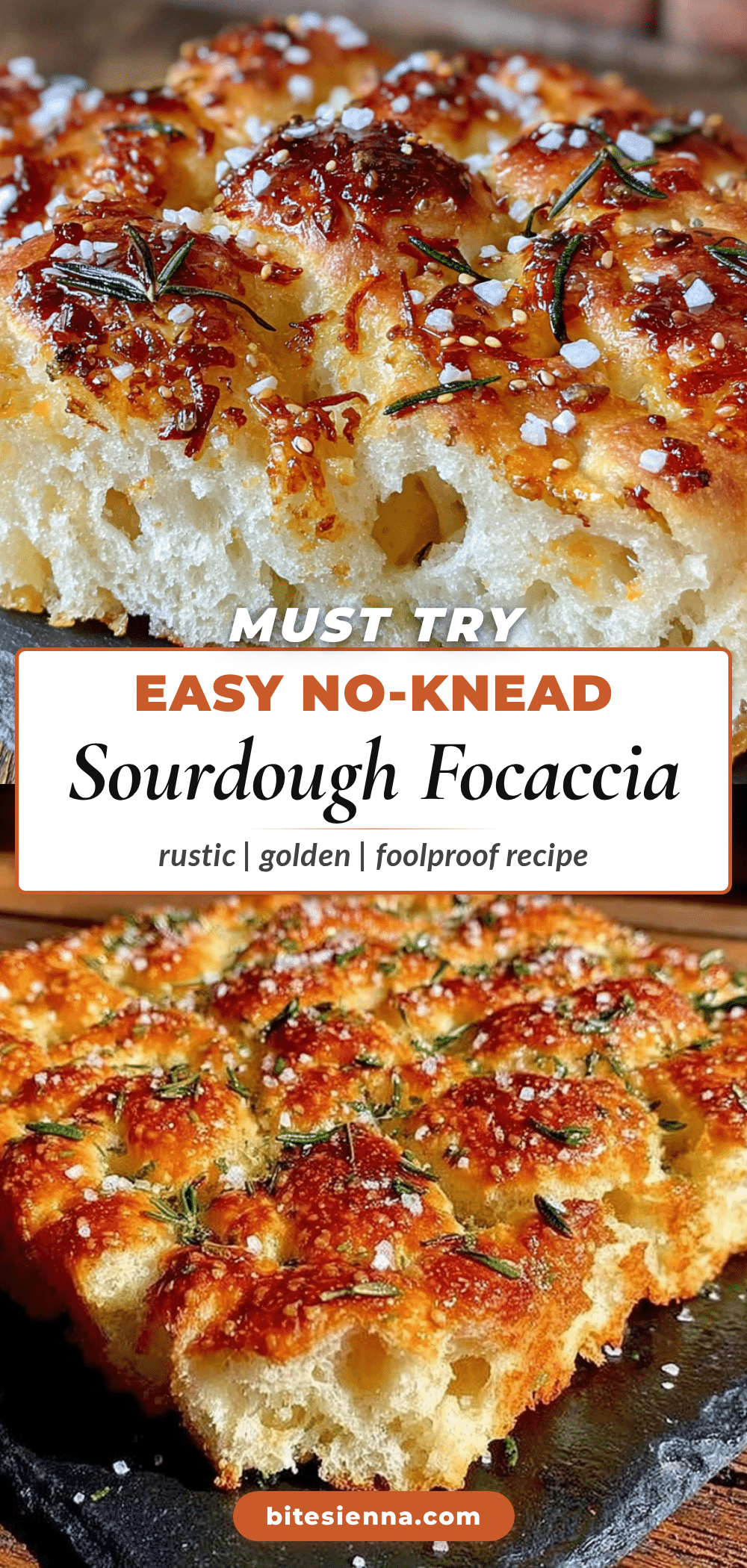
Easy No-Knead Sourdough Discard Focaccia: Best 1-Hour Recipe
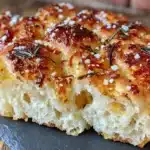
This easy no-knead sourdough discard focaccia comes together in about an hour, uses up sourdough discard, and requires no stand mixer. It’s perfect for last-minute gatherings and produces a crispy, golden bread with a soft, airy interior.
- Prep Time: 15 minutes
- Cook Time: 25 minutes
- Total Time: 1 hour
- Yield: 8 servings 1x
- Category: Bread
- Cuisine: Italian
Ingredients
- 3 cups (375 grams) all-purpose flour
- 1 cup (240 grams) sourdough discard, straight from the fridge
- 1 cup (240 ml) warm water (90-100°F)
- 1/4 cup (60 ml) olive oil, plus more for the pan and topping
- 1 1/2 teaspoons (9 grams) fine sea salt
- Flaky sea salt (e.g., Maldon) for sprinkling
- Optional toppings: fresh rosemary, cherry tomatoes, olives, garlic cloves
Instructions
- Mix the dough: In a large mixing bowl, combine the flour and salt. Make a well in the center, then add the sourdough discard, warm water, and 1/4 cup olive oil. Stir until a shaggy, sticky dough forms. Do not overmix.
- Let it rest: Cover the bowl with plastic wrap or a clean towel and let it sit at room temperature for 30-40 minutes. The dough will become smoother and slightly puffy.
- Prepare the pan: Pour about 2 tablespoons of olive oil into a 9×13-inch baking pan and spread it all over the bottom and up the sides.
- Transfer the dough: Use a spatula or your hands to scrape the dough into the oiled pan. It will be sticky.
- Stretch and dimple: Drizzle another tablespoon of olive oil over the dough. Using your fingertips, gently press and stretch the dough to fill the pan, creating dimples as you go. If the dough resists, let it rest for 5 minutes and try again.
- Add toppings: Press halved cherry tomatoes, rosemary sprigs, sliced olives, or garlic slivers into the dough. Sprinkle generously with flaky sea salt.
- Bake: Preheat the oven to 425°F (220°C). Place the pan on the middle rack and bake for 20-25 minutes, until deep golden brown on top and hollow-sounding when tapped.
- Cool and serve: Let the focaccia cool in the pan for 5-10 minutes. Run a spatula around the edges to loosen, then transfer to a cooling rack or cutting board. Cut into squares or rectangles and serve warm.
Notes
Don’t rush the resting time; it’s essential for texture. Use enough olive oil in the pan for a crispy bottom crust. If the dough springs back when stretching, let it rest 10 minutes. For best results, use room temperature discard if possible. Store leftovers in an airtight container at room temperature for up to 2 days, or freeze for up to 3 months.
Nutrition
- Serving Size: 1/8 of recipe (witho
- Calories: 220
- Sodium: 350
- Fat: 10
- Saturated Fat: 1.5
- Carbohydrates: 28
- Fiber: 1
- Protein: 4
Keywords: sourdough discard focaccia, no-knead focaccia, easy focaccia recipe, 1-hour focaccia, sourdough discard recipe, quick bread