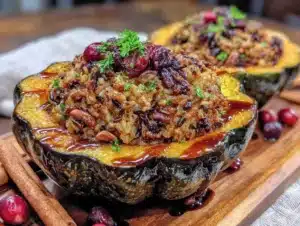
I was unpacking groceries last October when the smell hit me. Not from the kitchen, but from the bag itself—that earthy, sweet scent of a single acorn squash rolling around next to a stick of butter. And just like that, I was eight years old, sitting on a too-tall stool at my neighbor Mrs. Petrov’s counter, watching her slice through a squash with a knife that looked comically large in her small hands. She’d hum old folk songs under her breath, the same ones my own grandmother used to hum, and the kitchen would get all steamy and golden as the squash roasted. She passed away a few winters ago, and I honestly hadn’t thought about those afternoons in years. But there I was, standing in my own kitchen, a little misty-eyed over a vegetable.
I bought that squash on a whim, you know? I mean, I’d walked past them a hundred times at the market, always picking up butternut or sweet potatoes instead. Acorn squash felt like something my mom would have made in the 90s, maybe with a pat of butter and some brown sugar. Simple. Unfancy. But that day, I wanted to make something that felt like a hug. It was a Tuesday, the kind of gray, drizzly Tuesday where the sky never really brightens and you just want to curl up with something warm. So I grabbed the squash, some maple syrup, and a vague plan.
The first time I made this maple brown butter glaze, I almost burned it. Honestly, I got distracted by a phone call and came back to butter that was a shade darker than I’d planned. But you know what? It was perfect. That nutty, almost-toasted flavor was exactly what the squash needed. I’ve been tweaking it ever since, and this version—the one with the cozy roasted acorn squash and that glossy, rich glaze—is the one I keep coming back to. It’s the kind of dish that makes you slow down. Maybe you’ve been there, standing over a hot pan, watching butter turn from yellow to amber, and realizing that this simple act is its own kind of therapy. That’s what this recipe is. A little bit of comfort, a whole lot of flavor, and a memory I’m finally able to recreate.
Why You’ll Love This Recipe
Let me tell you, I’ve tested this cozy roasted acorn squash more times than I can count, and it never gets old. It’s one of those recipes that feels special enough for a holiday table but simple enough for a random Tuesday night. Here’s why it works:
- Quick & Easy: This comes together in about 45 minutes, with just 10 minutes of active prep. Perfect for those evenings when you want something impressive without the fuss.
- Simple Ingredients: You probably have everything in your pantry right now. No trips to a specialty store, no weird ingredients you’ll never use again.
- Perfect for Cozy Nights: This is the ultimate comfort food for cold weather, rainy days, or any time you need a little warmth.
- Crowd-Pleaser: I’ve served this to kids, picky eaters, and full-on squash skeptics. It disappears every single time.
- Unbelievably Delicious: That maple brown butter glaze is honestly magic. It’s sweet, nutty, and just a little salty—the perfect contrast to the tender, earthy squash.
What makes this version different from all the others? It’s the technique. Instead of just roasting the squash with a drizzle of syrup, we’re making a proper brown butter glaze that gets brushed on halfway through. This means the squash caramelizes beautifully without becoming soggy, and that nutty flavor from the browned butter sinks deep into every bite. I’ve also added a pinch of cinnamon and a whisper of cayenne—just enough to wake up your taste buds without any heat. It’s comfort food, reimagined. Healthier than the marshmallow-topped sweet potato casserole, faster than a complicated stuffing, but with the same soul-soothing satisfaction. The first time I made it for Thanksgiving, my sister-in-law asked for the recipe before she even finished her plate. That’s when I knew I had something good.
What Ingredients You Will Need
This recipe uses simple, wholesome ingredients to deliver big flavor. Most of these are pantry staples, which makes this cozy roasted acorn squash an easy weeknight win.
- Acorn squash (2 medium, about 1.5 lbs each) — Look for squash that feels heavy for its size with a deep green color and a patch of orange on the bottom (that means it’s ripe). I like to buy mine from the farmers market when they’re in season.
- Unsalted butter (4 tablespoons, or 1/2 stick) — Use unsalted so you can control the salt level. I prefer Kerrygold for its rich flavor, but any good quality butter works.
- Pure maple syrup (3 tablespoons) — Please, please use real maple syrup, not pancake syrup. The flavor is completely different. Grade A dark amber is my go-to for this recipe.
- Brown sugar (1 tablespoon, packed) — This adds a deeper molasses note that plays beautifully with the maple syrup. Light or dark brown sugar both work.
- Ground cinnamon (1/2 teaspoon) — Just enough to warm things up without overpowering the squash.
- Cayenne pepper (a pinch, about 1/8 teaspoon) — This is optional but highly recommended. It doesn’t make the dish spicy; it just makes the sweetness more interesting.
- Kosher salt (1/2 teaspoon, plus more for sprinkling) — I use Diamond Crystal. It’s less salty by volume, so adjust if you’re using a different brand.
- Fresh thyme (4-5 sprigs) — For garnish and a subtle earthy note. Rosemary also works beautifully here.
- Pecans or walnuts (1/4 cup, chopped, optional) — Adds a lovely crunch. Toast them in a dry pan for a few minutes first for extra flavor.
Substitution Guidance: If you’re dairy-free, you can use a high-quality vegan butter for the brown butter glaze. Just watch it carefully, as vegan butter can brown faster. For a lower-sugar option, you can reduce the maple syrup to 2 tablespoons and skip the brown sugar—the squash is naturally sweet enough. And if you don’t have fresh thyme, dried thyme works in a pinch (use about 1 teaspoon).
Equipment Needed
You don’t need a lot of fancy tools for this recipe, which is part of its charm. Here’s what you’ll need:
- Sharp chef’s knife (8-inch is ideal) — Acorn squash is tough. A dull knife is a recipe for frustration. Trust me, I learned this the hard way after nearly losing a finger to a cheap blade.
- Cutting board — Preferably one with a groove to catch juices. A wooden board is nice, but plastic is totally fine.
- Large baking sheet (half-sheet pan, 18×13 inches) — You want enough room for the squash halves to not touch. If they’re crowded, they’ll steam instead of roast.
- Parchment paper — Optional but helpful for easy cleanup. The caramelized glaze can be sticky.
- Small saucepan — For making the brown butter glaze. A light-colored pan is best so you can see the butter change color.
- Pastry brush — For brushing the glaze onto the squash. A silicone brush works great and is easy to clean.
- Measuring spoons — For accuracy, especially with the cayenne.
- Small bowl — For mixing the glaze.
If you don’t have a pastry brush, you can use a spoon to drizzle the glaze over the squash. It won’t be as even, but it still tastes amazing. And if you don’t have a half-sheet pan, any large rimmed baking sheet will work—just make sure the squash has some space around it.
Preparation Method
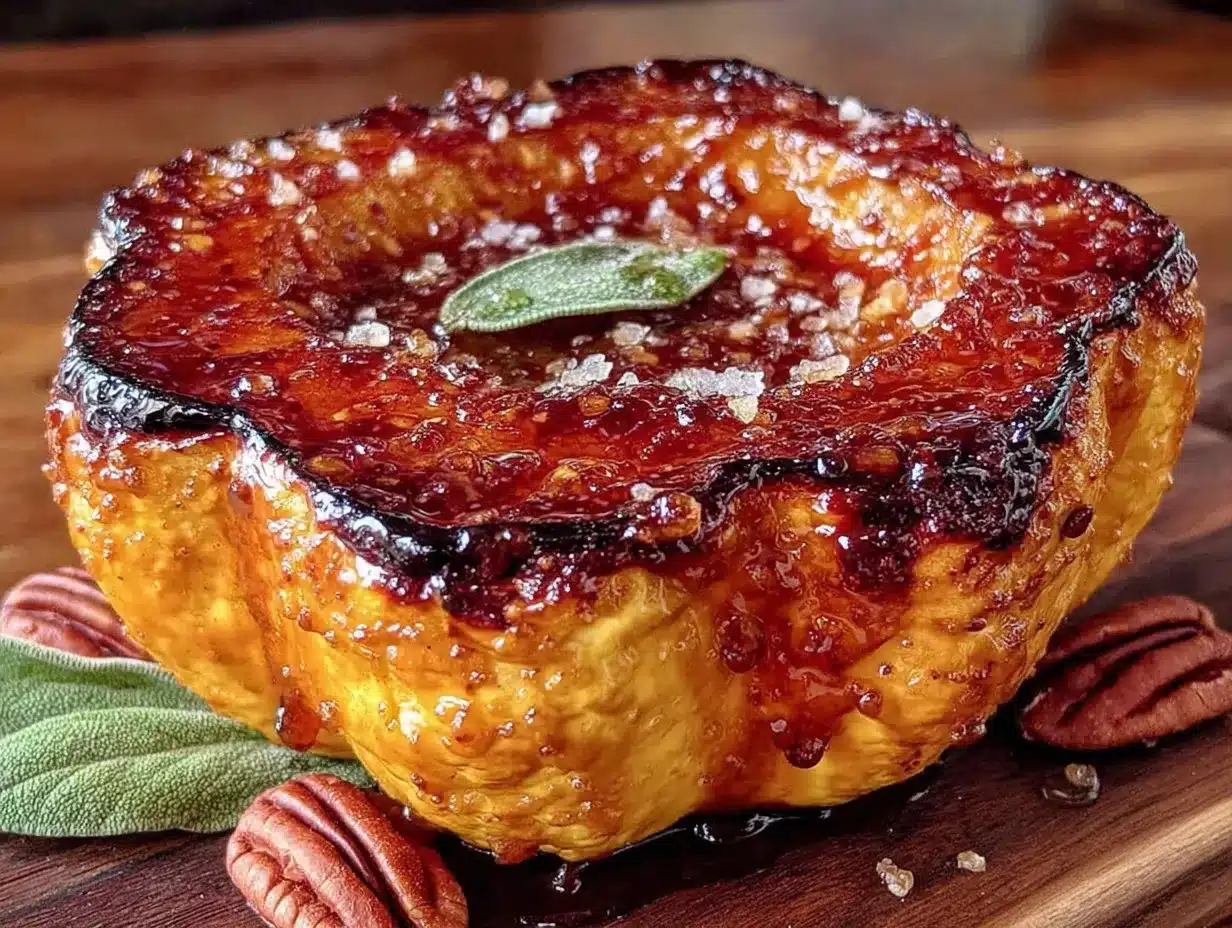
Let’s make this cozy roasted acorn squash. I’ll walk you through every step, including the little tricks I’ve picked up along the way.
- Preheat your oven to 400°F (200°C). Line a large baking sheet with parchment paper if you’re using it. This is a good time to get everything organized—I always forget something if I don’t.
- Prepare the squash. Using a sharp chef’s knife, carefully cut each acorn squash in half from stem to tip. This takes some muscle. I like to place the squash on its side and rock the knife through it. Scoop out the seeds and stringy bits with a spoon. You can save the seeds to roast later if you want—they’re delicious with a little salt and cayenne.
- Slice the halves into wedges. Cut each half into 3 or 4 wedges, depending on the size of your squash. Aim for wedges that are about 1-inch thick at the widest part. This ensures even cooking. Place the wedges on the prepared baking sheet in a single layer.
- Season the squash. Drizzle the wedges with a little olive oil (about 1 tablespoon) and sprinkle with a pinch of kosher salt. Toss gently with your hands to coat. Roast for 15 minutes. This head start lets the squash begin softening before we add the glaze.
- Make the maple brown butter glaze. While the squash is roasting, place the unsalted butter in a small saucepan over medium heat. Let it melt, then continue cooking, swirling the pan occasionally. The butter will foam up, then the foam will subside, and you’ll see little brown specks forming at the bottom. This takes about 3-4 minutes. The moment it smells nutty and turns a golden-amber color, remove it from the heat. Don’t walk away—brown butter can go from perfect to burnt in seconds. I’ve done it. It’s sad.
- Finish the glaze. Whisk the maple syrup, brown sugar, cinnamon, cayenne, and 1/2 teaspoon of kosher salt into the warm brown butter. It should be smooth and glossy. Taste it. You should get sweet, nutty, and a tiny hint of warmth at the end. Adjust the salt if needed.
- Glaze the squash. After the squash has roasted for 15 minutes, remove the baking sheet from the oven. Use a pastry brush to generously brush the maple brown butter glaze over each wedge. Don’t be shy—get it into all the nooks and crannies. Reserve about a quarter of the glaze for later.
- Return to the oven. Roast for another 20-25 minutes, until the squash is tender and caramelized. A fork should slide in easily, and the edges should be browned and slightly crispy. Halfway through, brush on the remaining glaze.
- Finish and serve. Remove from the oven and let cool for 2-3 minutes on the baking sheet. Transfer to a serving platter. Sprinkle with fresh thyme leaves and chopped toasted pecans if using. Drizzle any glaze left in the pan over the top. Serve warm.
Pro tip from my kitchen: If you want extra caramelization, switch your oven to broil for the last 2 minutes. Watch it like a hawk—sugar burns fast. I nearly set off the smoke detector the first time I tried this. Worth it, though!
Cooking Tips & Techniques
I’ve made this cozy roasted acorn squash more times than I can count, and I’ve learned a few things along the way. Here are my best tips:
Don’t skip the first roast. Roasting the squash for 15 minutes before adding the glaze is crucial. If you add the glaze too early, the sugar can burn before the squash is fully tender. That first dry roast gives the squash a head start, so the glaze can caramelize perfectly in the second half of cooking.
Watch your brown butter like a hawk. I cannot stress this enough. Brown butter goes from “perfect” to “burnt” in about 30 seconds. The first time I made this, I got distracted by my phone and ended up with butter that looked like coffee grounds. It was bitter and sad. Now I stand at the stove, swirling the pan, and I don’t look away until it’s done. The visual cue you’re looking for is a golden-amber color with brown specks at the bottom of the pan. The smell is nutty and toasty.
Cut the squash evenly. This is one of those small details that makes a big difference. If your wedges are different sizes, some will be done before others. I aim for wedges that are about 1-inch thick at the widest part. If you have a few smaller pieces, put them on the edges of the baking sheet where they’ll cook a little slower.
Use a light-colored pan for the butter. A dark nonstick pan makes it hard to see the color change. I use a small stainless steel saucepan, and it makes all the difference.
Multitask like a pro. While the squash is doing its first roast, make the brown butter glaze. While the glazed squash is roasting, clean up your cutting board and knife. This recipe is actually perfect for a weeknight because it moves fast—just don’t rush the important parts.
Variations & Adaptations
One of the best things about this cozy roasted acorn squash is how easy it is to adapt. Here are some variations I’ve tried and loved:
Savory Herb Version: Skip the maple syrup and brown sugar. Instead, add 2 cloves of minced garlic and 1 tablespoon of fresh rosemary to the brown butter. Finish with a sprinkle of flaky sea salt and black pepper. This version is incredible alongside roasted chicken or pork chops.
Spicy Maple Version: Double the cayenne to 1/4 teaspoon and add a pinch of smoked paprika. The heat is subtle but builds with each bite. I made this for a Friendsgiving potluck, and it was the first dish to disappear. People kept asking, “What’s in this? It’s so good!”
Vegan Version: Use a high-quality vegan butter for the brown butter glaze. I’ve tested this with Miyoko’s European Style Cultured Vegan Butter, and it works beautifully. It browns a little faster than dairy butter, so watch it carefully. The rest of the recipe stays the same.
Fall Harvest Bowl Version: Slice the roasted squash into smaller chunks and toss with cooked farro, dried cranberries, crumbled goat cheese, and arugula. Drizzle any leftover glaze over the top as a dressing. This makes a fantastic lunch or light dinner.
Breakfast Twist: I know this sounds weird, but leftover roasted acorn squash is amazing on oatmeal. Just reheat it and mash it into your bowl with a little extra maple syrup and a sprinkle of cinnamon. Trust me on this one.
Serving & Storage Suggestions
This cozy roasted acorn squash is best served warm, right out of the oven. The glaze is glossy and the edges are perfectly caramelized. I like to arrange the wedges on a large wooden board or a white platter, then sprinkle with fresh thyme and toasted pecans. It’s gorgeous on a Thanksgiving table or alongside a simple weeknight roast chicken.
What to serve with it: This squash pairs beautifully with roasted pork tenderloin, herb-roasted chicken, or a simple seared steak. For a vegetarian meal, serve it alongside a hearty grain salad or creamy polenta. A crisp green salad with a lemon vinaigrette cuts through the sweetness nicely. And if you’re feeling indulgent, a glass of dry Riesling or a cider cocktail is a perfect match.
Storage: Leftover squash keeps in an airtight container in the refrigerator for up to 4 days. The glaze will soften a bit, but the flavor is still fantastic. I actually love leftovers cold, straight from the fridge—they taste like a sweet, savory snack.
Reheating: The best way to reheat is in a 350°F oven for about 10 minutes. This crisps up the edges again. You can also use an air fryer at 350°F for 5-6 minutes. The microwave works in a pinch, but the squash will be softer and the glaze won’t be as glossy.
Freezing: I don’t recommend freezing the glazed squash, as the texture changes. However, you can freeze the unglazed roasted squash for up to 3 months. Just thaw, reheat, and make a fresh batch of the glaze.
Flavor development: Honestly, this squash is even better the next day. The flavors meld together, and the maple brown butter glaze soaks deeper into the flesh. If you’re planning a holiday meal, you can roast the squash and make the glaze a day ahead, then reheat everything together before serving.
Nutritional Information & Benefits
This cozy roasted acorn squash is not just delicious—it’s packed with nutrients. Here’s a rough estimate per serving (about 3-4 wedges, assuming 4 servings total):
| Nutrient | Amount |
|---|---|
| Calories | ~220 |
| Total Fat | 12g |
| Saturated Fat | 7g |
| Carbohydrates | 30g |
| Fiber | 3g |
| Sugar | 18g |
| Protein | 2g |
| Vitamin A | 45% DV |
| Vitamin C | 25% DV |
| Potassium | 10% DV |
Health benefits: Acorn squash is rich in vitamin A (from beta-carotene), which supports eye health and immune function. It’s also a good source of vitamin C and fiber. The maple syrup provides natural sweetness with a lower glycemic impact than refined sugar, especially when paired with the fiber from the squash. The brown butter adds healthy fats that help your body absorb the fat-soluble vitamins.
Dietary considerations: This recipe is naturally gluten-free and vegetarian. For a vegan version, use the substitution mentioned above. It’s also relatively low in calories for a side dish, making it a great option if you’re watching your intake. The main allergens are dairy (butter) and tree nuts (if using pecans or walnuts).
My personal perspective: I love that this recipe feels indulgent without being heavy. It’s the kind of dish that makes you feel good about eating vegetables—because honestly, when they taste this good, it’s easy to eat your fill. I’ve been making it for years, and it never fails to make me feel a little bit more grounded.
Conclusion
This cozy roasted acorn squash with maple brown butter glaze is more than just a side dish—it’s a little moment of comfort in a busy world. It’s the kind of recipe that makes you stop, take a deep breath, and actually taste what you’re eating. The sweetness of the maple, the nuttiness of the brown butter, the tender, earthy squash—it all comes together in a way that feels both familiar and special.
I hope you’ll try it, and I hope you’ll make it your own. Maybe you’ll add a little more cayenne, or swap the pecans for walnuts, or serve it alongside your favorite roast chicken. That’s the beauty of cooking—it’s never the same twice. And honestly, that’s what I love most about this recipe. It’s a starting point, a warm invitation to play in the kitchen.
If you make this cozy roasted acorn squash, I’d love to hear about it. Leave a comment below and tell me how it turned out—did you add any twists? Serve it with something amazing? Burn the butter like I did the first time? (No judgment here.) Share your photos, your questions, your stories. This is how we build community, one squash at a time.
Now go preheat your oven. Your cozy night in is waiting.
Frequently Asked Questions
Can I use butternut squash instead of acorn squash?
Yes, absolutely. Butternut squash is sweeter and less fibrous, so it will work beautifully. Cut it into 1-inch cubes instead of wedges, and reduce the roasting time by about 5-7 minutes.
Do I have to peel the acorn squash?
Nope! The skin of acorn squash is edible and becomes tender when roasted. It also helps the wedges hold their shape. Just make sure to wash the squash well before cutting.
Can I make this ahead of time for a holiday dinner?
Yes. Roast the squash and make the glaze separately up to 2 days ahead. Store them in the fridge. About 20 minutes before serving, reheat the squash in a 350°F oven, then brush with the glaze and finish as directed.
My brown butter turned into a solid blob. What did I do wrong?
Nothing—that’s normal! Brown butter solidifies as it cools. If your glaze seizes up, simply warm it gently on the stove or in the microwave for 10-15 seconds and whisk until smooth again.
Is this recipe spicy? I’m serving it to kids.
The cayenne is optional, and a pinch (1/8 teaspoon) is barely noticeable—it just adds depth. For kids or spice-averse eaters, you can leave it out entirely. The squash will still be deliciously sweet and buttery.
Pin This Recipe!
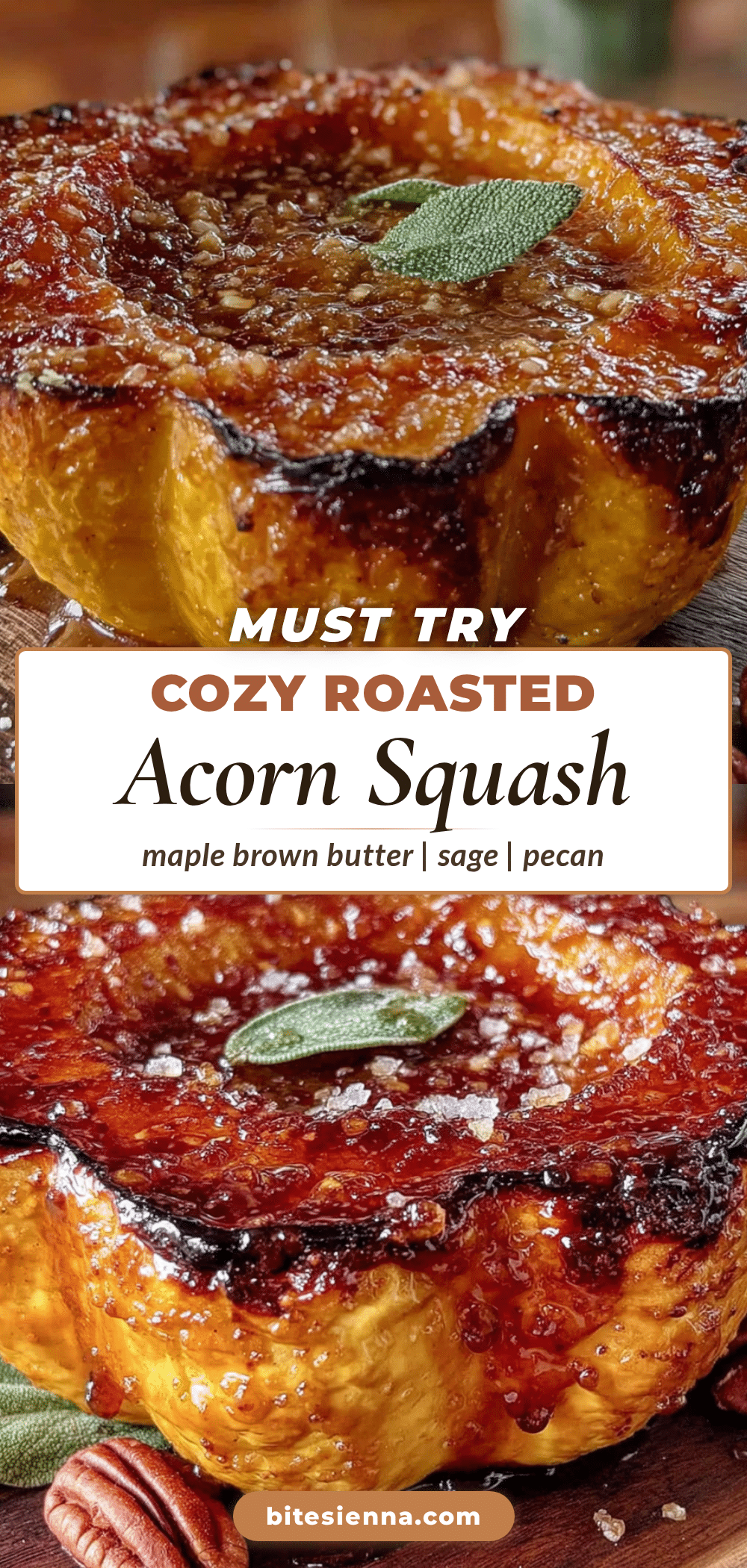
Cozy Roasted Acorn Squash with Maple Brown Butter Glaze
Tender roasted acorn squash wedges are glazed with a nutty maple brown butter sauce, finished with fresh thyme and toasted pecans. This easy, comforting side dish is perfect for weeknights or holiday feasts.
- Prep Time: 10 minutes
- Cook Time: 35 minutes
- Total Time: 45 minutes
- Yield: 4 servings 1x
- Category: Side Dish
- Cuisine: American
Ingredients
- 2 medium acorn squash (about 1.5 lbs each)
- 4 tablespoons unsalted butter (1/2 stick)
- 3 tablespoons pure maple syrup
- 1 tablespoon brown sugar, packed
- 1/2 teaspoon ground cinnamon
- 1/8 teaspoon cayenne pepper (optional)
- 1/2 teaspoon kosher salt, plus more for sprinkling
- 4–5 sprigs fresh thyme (for garnish)
- 1/4 cup pecans or walnuts, chopped (optional)
- 1 tablespoon olive oil
Instructions
- Preheat oven to 400°F (200°C). Line a large baking sheet with parchment paper.
- Cut each acorn squash in half from stem to tip using a sharp chef’s knife. Scoop out seeds and stringy bits.
- Cut each half into 3-4 wedges, about 1-inch thick at the widest part. Place on the prepared baking sheet in a single layer.
- Drizzle wedges with olive oil and sprinkle with a pinch of kosher salt. Toss gently to coat. Roast for 15 minutes.
- While squash roasts, make the glaze: Melt butter in a small saucepan over medium heat. Cook, swirling occasionally, until butter turns golden-amber with brown specks and smells nutty (about 3-4 minutes). Remove from heat immediately.
- Whisk maple syrup, brown sugar, cinnamon, cayenne, and 1/2 teaspoon kosher salt into the warm brown butter until smooth and glossy.
- After 15 minutes, remove squash from oven. Brush generously with the maple brown butter glaze, reserving about 1/4 of the glaze for later.
- Return to oven and roast for another 20-25 minutes, brushing with remaining glaze halfway through, until squash is tender and caramelized (fork slides in easily, edges browned).
- Remove from oven and let cool 2-3 minutes. Transfer to a serving platter. Sprinkle with fresh thyme leaves and chopped toasted pecans if using. Drizzle any remaining glaze from the pan over the top. Serve warm.
Notes
For extra caramelization, broil for the last 2 minutes, watching carefully to prevent burning. Brown butter can go from perfect to burnt in seconds—do not walk away. If glaze solidifies, warm gently before using. Leftovers keep in the fridge for up to 4 days; reheat in a 350°F oven for 10 minutes to restore crisp edges.
Nutrition
- Serving Size: 3-4 wedges
- Calories: 220
- Sugar: 18
- Sodium: 300
- Fat: 12
- Saturated Fat: 7
- Carbohydrates: 30
- Fiber: 3
- Protein: 2
Keywords: roasted acorn squash, maple brown butter, fall side dish, Thanksgiving, vegetarian, gluten-free, easy squash recipe